

1. How common is cancer in pets?
Cancer is one of the leading causes of death in older pets and is a significant health concern, with varying prevalence among species. In dogs, cancer affects approximately 1 in 4 dogs during their lifetime, and it is the leading cause of death in older dogs. It’s estimated that nearly 50% of dogs over the age of 10 will develop some form of cancer. Cats experience slightly lower rates, with around 1 in 5 cats developing cancer at some point. Obtaining accurate statistics on cancer in horses is challenging because many cases go undiagnosed. This lack of diagnosis often stems from the subtlety of early symptoms and the high costs associated with veterinary oncology, which can lead to underreporting in equine cancer studies. However, with advancements in veterinary medicine, and new innovative cancer treatments such as IsoPet®, many forms of cancer can be treated effectively if caught early.
2. Can young pets get cancer?
Yes, while cancer is more common in older pets, young animals are not immune. Certain types of cancer, such as lymphoma or leukemia, can develop in younger pets as well. Certain household risk factors can significantly increase the likelihood of cancer in pets. Exposure to secondhand smoke, the use of chemical cleaning products, and proximity to pesticides in the home or garden are all environmental hazards that can contribute to the development of cancer in cats, dogs and horses. Genetic factors and breed predispositions can play a significant role.

3. Are there any specific breeds more at risk of cancer?
Yes, some canine breeds have a higher predisposition to specific types of cancer. For instance, Golden Retrievers, Boxers, and Bernese Mountain Dogs are at a higher risk for certain cancers like mast cell tumors and lymphoma. Some feline breeds are more prone to cancer than others, with Siamese and Domestic Shorthairs showing a higher incidence of diseases such as lymphoma and mammary cancer. Genetic factors and breed-specific predispositions contribute significantly to the risk levels seen in these cats. Certain horse breeds, such as Appaloosas and gray horses, have a higher susceptibility to cancer, particularly skin cancer due to their unique coat pigmentation. The genetic predisposition in these breeds often leads to an increased risk of melanomas, which are commonly found under the tail, around the genitals, and on the eyelids. Regular health screenings and genetic testing can help in identifying and managing these risks.
4. What should I do if I suspect my pet has cancer?
If you notice any unusual symptoms like lumps, sudden weight loss, persistent lameness, or changes in behavior, it’s important to visit your veterinarian as soon as possible. They can conduct a thorough examination and recommend further diagnostic tests if necessary. Early detection is the key to successfully treating cancer. If your pet does have cancer, talk to your vet about safer, less invasive cancer treatments such as IsoPet®.
5. How is pet cancer treated?
Treatment options for cancer in pets vary depending on the type and stage of cancer. Common treatments include surgery to remove tumors, chemotherapy, radiation therapy, immunotherapy and innovative, safer options such as IsoPet® Precision Radionuclide Therapy™. Your veterinarian can provide the best treatment plan tailored to your pet’s specific condition.

6. Is cancer treatment for pets similar to that for humans?
While there are similarities in the types of treatments used, such as chemotherapy and radiation therapy, the approaches and dosages can differ significantly. Pet cancer treatments are generally designed to be less aggressive, focusing more on maintaining quality of life rather than solely on prolongation of life.
7. How can I prevent my pet from getting cancer?
While not all cancers can be prevented, you can reduce your pet’s risk by maintaining a healthy lifestyle, avoiding exposure to known carcinogens, and ensuring regular veterinary check-ups. Being proactive about your pet’s health can lead to early detection and more effective management of cancer.
8. What are some signs that cancer treatment is working in pets?
Signs that treatment may be effective include a reduction in the size of the tumor, improved energy levels, better appetite, and generally improved overall condition of your pet. Regular follow-ups with your veterinarian are crucial to assess the progress of treatment and make any necessary adjustments.
9. Are there any alternative therapies for pet cancer?
Yes, some pet owners opt for alternative therapies such as acupuncture, herbal medicine, and specialized diets in conjunction with or sometimes in place of conventional treatments. New and safer ways of treating cancer such as IsoPet® are also available. It’s important to discuss these options with your veterinarian, as they can guide you on safe and potentially effective choices based on your pet’s specific needs.
10. Can diet affect cancer development in pets?
Nutrition plays a critical role in overall health, and there is some evidence suggesting that certain diets may influence cancer development and progression. Diets rich in antioxidants and properly balanced nutrients can support immune function and overall health. Always consult with your vet before making significant changes to your pet’s diet.
11. Are there specific foods that should be avoided if my pet has cancer?
While no specific foods need to be universally avoided in pets with cancer, some dietary adjustments may be beneficial depending on the type and location of cancer. High-sugar foods might be avoided as some studies suggest that sugar can fuel certain types of cancer cells. Always consult with a veterinary nutritionist to tailor your pet’s diet to their specific needs during cancer treatment.
12. How can I emotionally cope with a cancer diagnosis in my pet?
A cancer diagnosis can be emotionally challenging for pet owners. It’s important to seek support from friends, family, or support groups who understand the emotional burden. Many veterinary clinics also offer resources or can refer you to counseling services tailored for pet owners.

13. How do vets diagnose cancer in pets?
Veterinarians typically use a combination of physical examinations, blood tests, imaging techniques like X-rays and ultrasound, biopsies, and sometimes more advanced methods such as CT scans or MRIs to diagnose cancer in pets. Each test helps to determine the type, location, and stage of cancer, which is critical for planning the appropriate treatment. Early detection of cancer in pets is crucial as it significantly increases the chances of successful treatment and can extend their quality of life. Detecting cancer early often allows for more treatment options, potentially less invasive surgeries, and a better prognosis overall.
14. How can I monitor my pet during cancer treatment?
Monitoring your pet during cancer treatment is crucial. Keep a daily journal of your pet’s behavior, appetite, energy level, and other bodily functions. Regular veterinary check-ups are essential, where your vet can perform physical exams and possibly adjust treatments based on how your pet is responding.
15. What advancements have been made in veterinary oncology?
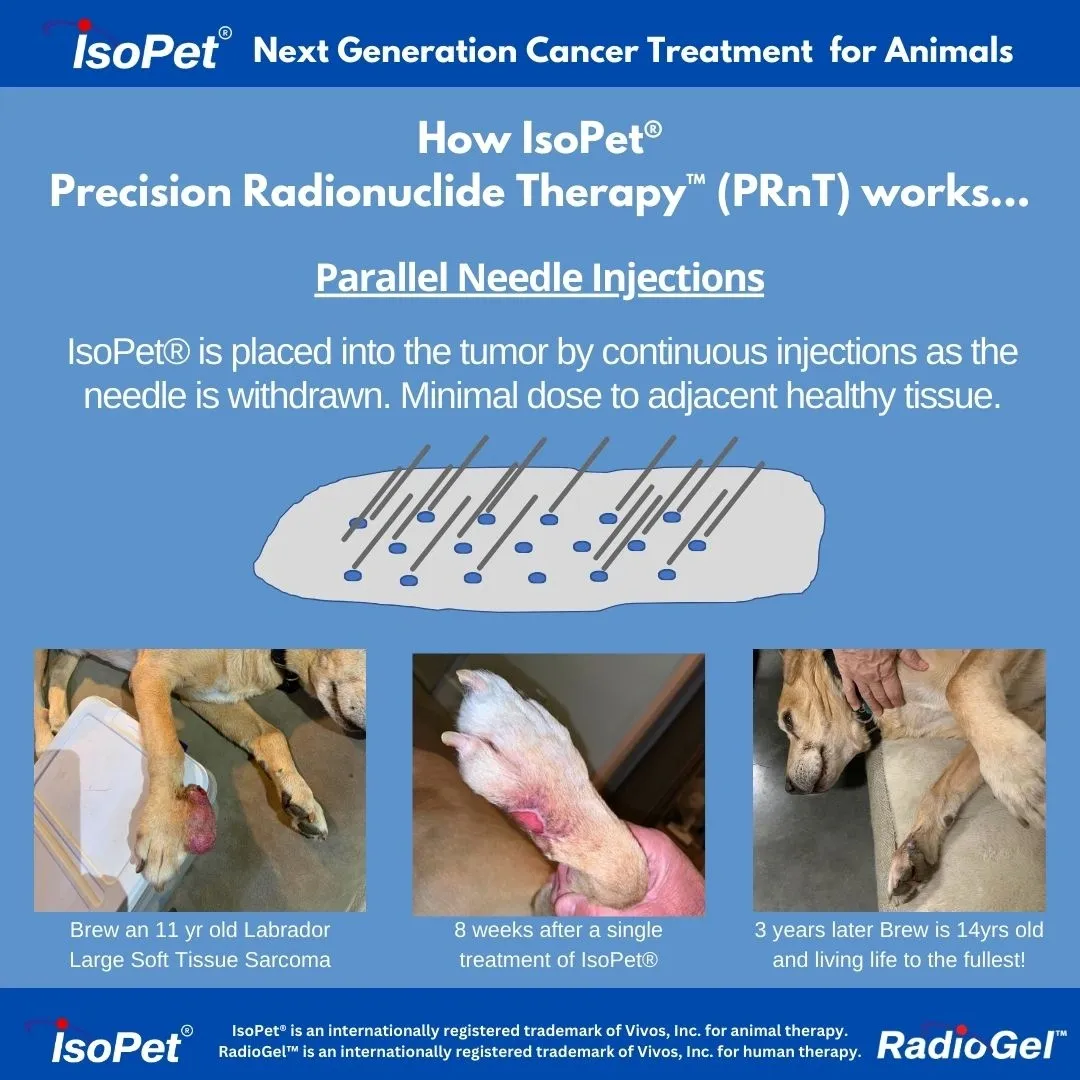
Veterinary oncology has seen significant advancements in recent years, including more targeted treatments such as IsoPet® Precision Radionuclide Therapy™, immunotherapy treatments like vaccines specifically designed to fight cancer cells, and improvements in surgical techniques. These advancements have improved treatment outcomes and reduced side effects, enhancing quality of life for pets with cancer.
16. What are the side effects of cancer treatment in pets?
The side effects of cancer treatment in pets can vary depending on the type of treatment. Common side effects of chemotherapy include mild gastrointestinal upset, temporary decrease in white blood cells, and less commonly, hair loss. Radiation might cause skin irritation at the treated site. Advanced technology such as IsoPet® Radionuclide Therapy™ has significantly reduced the side effects of traditional cancer treatment using highly localized radiation to destroy cancerous tumors by placing a radioactive isotope directly inside the treatment area. IsoPet® delivers therapeutic radiation from within the tumor without the associated side effects of mainstream cancer treatments.

17. How do I choose the right veterinarian or oncologist for my pet?
Choosing the right veterinarian or oncologist is critical. Look for a vet or a specialist with experience in treating cancer in pets. Consider factors like the accessibility of their office, the range of services they offer, and recommendations from other pet owners. It’s also important that you feel comfortable with their communication style and treatment philosophy.
18. What financial support options are available for treating cancer in pets?
Treating cancer can be expensive. Financial support options include pet insurance that covers cancer treatments, veterinary discount programs, and various pet charities or foundations that offer financial assistance. Some veterinary hospitals also offer payment plans to help manage the costs.
19. What is the life expectancy for a pet diagnosed with cancer?
Life expectancy can vary widely depending on the type of cancer, how advanced it was at diagnosis, and how well the pet responds to treatment. Some pets live for many years with good quality of life if the cancer is detected early.
20. What should I prepare for my pet’s end-of-life care?
Planning for end-of-life care is a deeply personal decision. Discuss with your veterinarian about palliative care options, pain management, and quality of life assessments. Emotional support for the family should also be considered during this challenging time.
Conclusion
Dealing with the possibility of cancer in pets can be daunting, but being informed is your strongest ally. Understanding the signs and symptoms, knowing the risk factors, and recognizing the advancements in treatments can empower you as a pet owner. Regular veterinary check-ups and proactive health management are crucial for early detection and effective treatment of cancer in pets.
Stay vigilant about your pet’s health, consult with your veterinarian regularly, and never hesitate to seek a second opinion if you have concerns about your pet’s diagnosis or treatment plan. Above all, cherish every moment with your pet and provide them with a loving, nurturing environment.
Facing a cancer diagnosis in a pet is never easy, but with the right knowledge and support, you can make informed decisions that enhance your pet’s well-being and comfort.
Remember, the goal of cancer treatment in pets is not just to prolong life but to ensure a good quality of life. Veterinary medicine has made significant strides in the treatment of cancer, with more options available now than ever before to help manage this disease. IsoPet® is becoming increasingly available in more clinics across the United States and offers a promising option for treating cancer in pets with a focus on safety and minimal invasiveness. If you have specific questions or need more details if IsoPet® may be an option for your pet please email us at info@vivosinc.com for more information.