
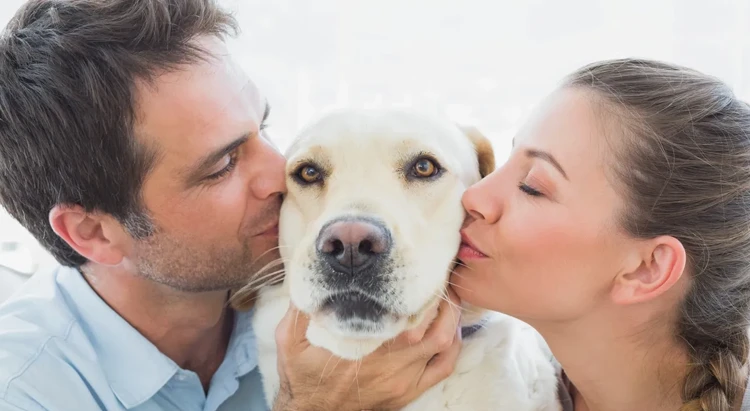
This article is for pet owners and animal lovers, aiming to inform and educate you on how to reduce the risk of cancer in your furry family members. This informative article considers the sensitive nature of cancer and to help you understand the many, sometimes surprising, causes of cancer that could affect your pet.
Cancer in pets is a concern that many pet owners face, with a significant number of our furry companions being diagnosed at some point in their lives. Understanding the causes of cancer can play a crucial role in prevention and early detection, potentially saving the lives of many beloved pets. This article aims to shed light on the top causes of cancer in pets, providing insights and practical tips to minimize these risks. By being informed, pet owners can take proactive steps to ensure the health and well-being of their animal friends.
The Top 10 Factors That Could Lead To Cancer – Some May Surprise You!
1. Secondhand Smoke
Exposure to secondhand smoke is not only harmful to humans but also poses a significant risk to pets. Studies have shown a correlation between secondhand smoke and an increased incidence of certain types of cancer in pets, such as lymphoma in cats and lung and nasal cancer in dogs. Pets living in smoking households are more likely to ingest, inhale, or absorb harmful carcinogens through their skin. Pet owners can protect their animals by maintaining a smoke-free environment. Quitting smoking can dramatically reduce the risk of your pet developing smoke-related cancers, contributing to a healthier home for everyone.
2. Sun Exposure
Just like in humans, excessive sun exposure can lead to skin cancer in pets, particularly in those with light-colored fur and skin or short-haired breeds. Horses that graze in pastures all day should have plenty of covered areas to seek shade from the sun. Areas with minimal fur, such as the ears and nose, are especially susceptible to sunburn and subsequent skin cancer. Protecting pets from excessive UV radiation involves providing ample shade, using pet-safe sunscreens, and limiting sun exposure during peak hours. Regular checks for unusual skin changes can help catch potential issues early, ensuring timely treatment.

3. Environmental Toxins
Our pets are constantly exposed to a variety of environmental toxins that can elevate their risk of developing cancer. These toxins include pesticides, herbicides, and air pollutants that pets can encounter outdoors or even inside the home. For instance, lawns treated with certain chemicals can be harmful if pets ingest grass or lick their paws after walking on treated areas. Minimizing exposure to these toxins is crucial. Opt for pet-friendly lawn care products, and ensure your pet has a clean, safe environment both indoors and out. Regularly cleaning your pet’s paws and monitoring outdoor areas they frequent can also help reduce their exposure to harmful substances.
4. Household Chemical Exposures
Household chemicals, including some types of household cleaners, plug in air fresheners, pest control products and insecticides, can be carcinogenic to pets. Their curious nature and grooming habits increase the risk of ingestion or skin absorption of these chemicals. Using pet-safe products and storing hazardous chemicals out of reach can help reduce exposure. Natural and non-toxic cleaning solutions are not only safer for pets but also contribute to a healthier living environment for the entire household.
5. Poor Nutrition
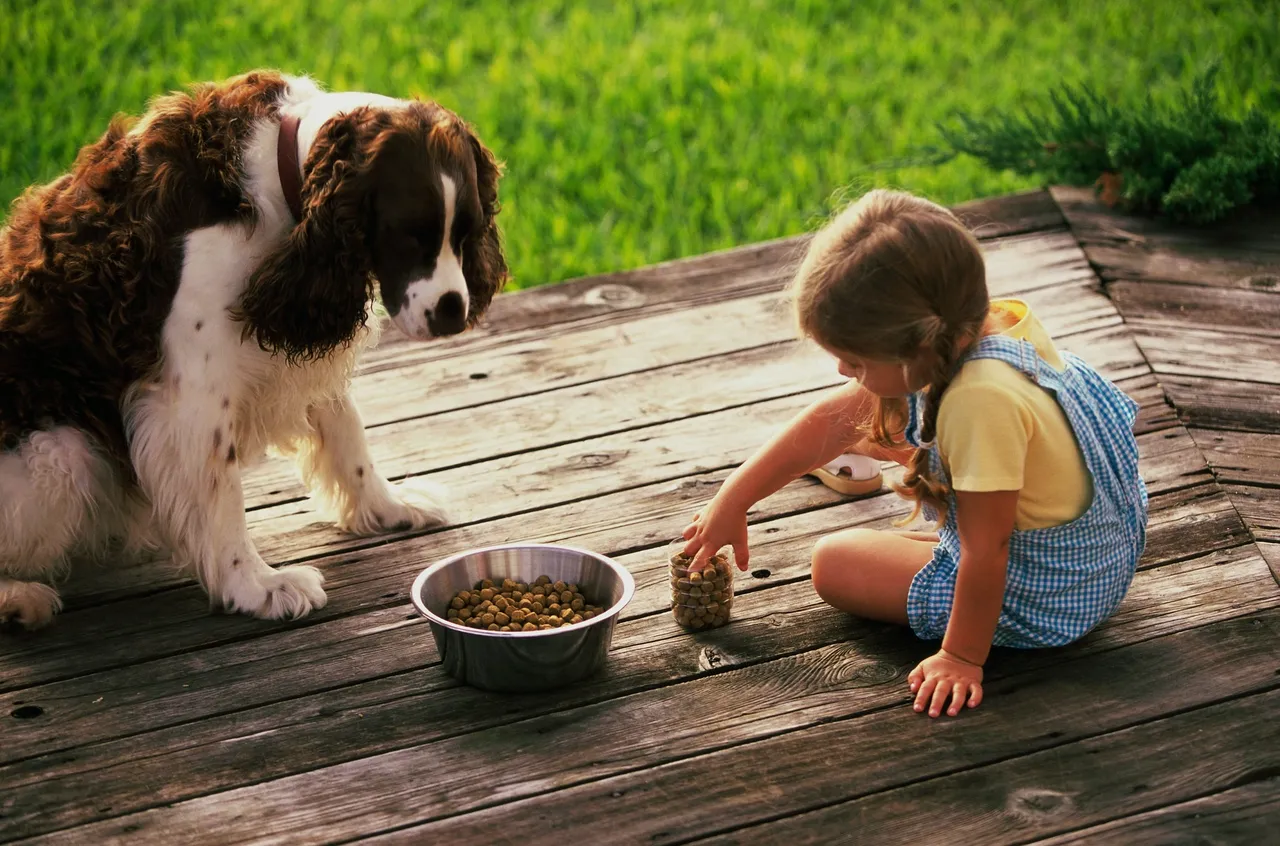
The quality of food we provide our pets can significantly impact their health and susceptibility to cancer. Diets high in processed foods, artificial additives, or lacking in essential nutrients may compromise the immune system and contribute to the development of cancerous cells. Offering a balanced diet rich in antioxidants, vitamins, and minerals supports overall health and can reduce cancer risk. Consultation with a veterinarian can guide pet owners toward the most appropriate diet for their pets, considering factors like age, breed, and health status, to ensure optimal nutrition and disease prevention.
6. Lack of Exercise
Physical activity plays a vital role in maintaining a pet’s healthy weight and boosting their immune system, both of which are crucial in cancer prevention. A sedentary lifestyle can lead to obesity and other health issues that increase the risk of cancer. Regular exercise tailored to the pet’s species, breed, and age can help mitigate this risk. For horses, allowing them space to walk, trot canter and gallop (a full on run) is important. For dogs, this might mean daily walks, runs, or playtime in the yard. Cats can be encouraged to move more with toys, climbing structures, or engaging in interactive play. Consistent physical activity helps keep pets healthy and can significantly lower their cancer risk.

7. Obesity
Obesity is a growing concern in pets and is linked to an increased risk of developing several types of cancer, including bladder, mammary, and colon cancer. Excess body fat can lead to an inflammatory state in the body, which may promote cancer growth. Maintaining a healthy weight through a balanced diet and regular exercise is crucial for your pet’s overall health and cancer prevention. Consulting with a veterinarian about the best diet and exercise regimen can help manage your pet’s weight effectively.
8. Viral Infections
Certain viral infections are known to cause cancer in pets. For example, the Feline Leukemia Virus (FeLV) and the Feline Immunodeficiency Virus (FIV) can lead to lymphoma and other cancers in cats. Preventing these infections through vaccination and minimizing exposure to infected animals are key strategies in protecting your pets. Regular veterinary check-ups and blood tests can detect these viruses early, enabling prompt management to prevent progression to cancer.
9. Genetic Factors
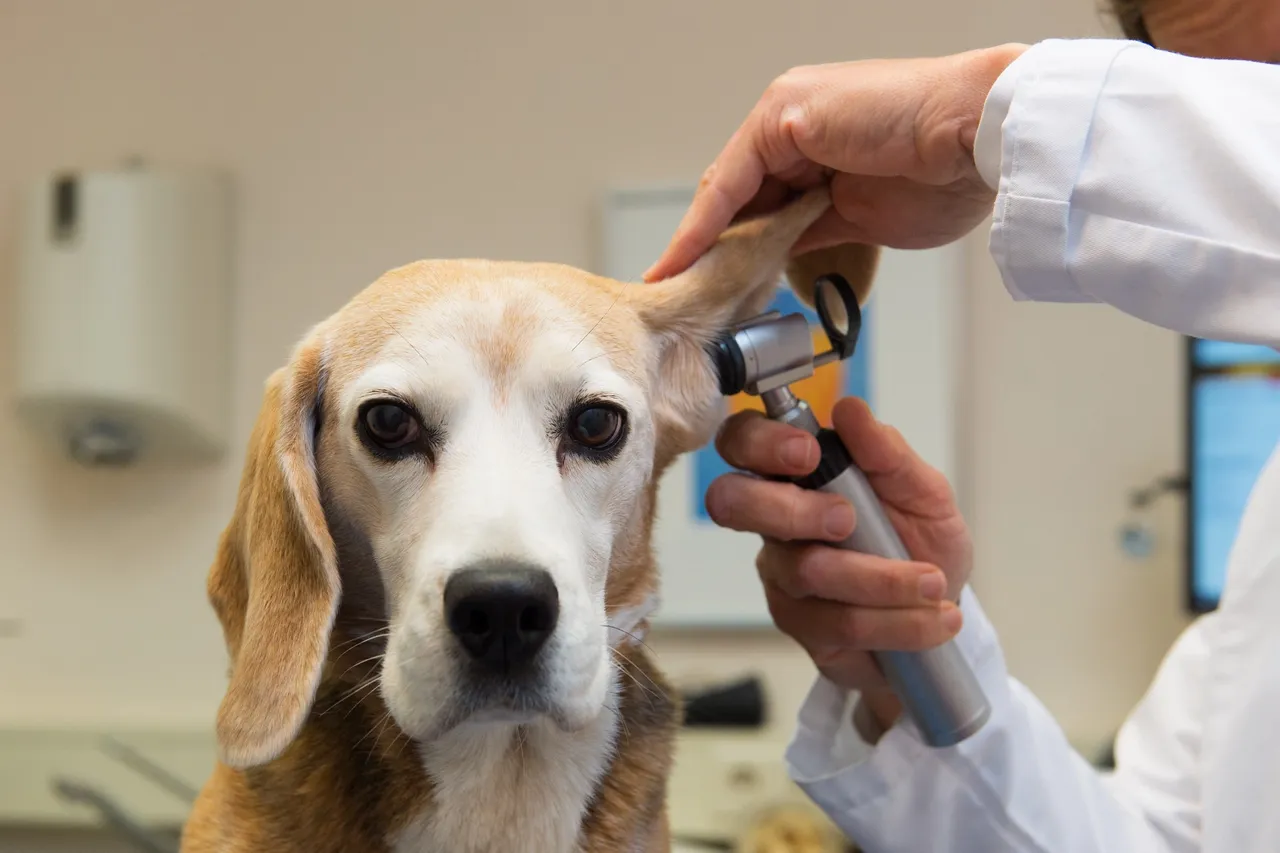
Genetic predisposition is a leading cause of cancer in pets, much like in humans. Certain breeds are more susceptible to specific types of cancer, which can be traced back to their genetic makeup. For example, Boxers, Golden Retrievers, and Bernese Mountain Dogs have higher incidences of cancer compared to other breeds. While it’s not possible to change a pet’s genetics, awareness of these predispositions can prompt pet owners to seek regular veterinary screenings. Early detection can make a significant difference in treatment success and overall prognosis.
10. Age
As pets grow older, their risk of developing cancer naturally increases. Aging is associated with a decrease in the body’s ability to repair DNA and control the growth of abnormal cells. While we cannot prevent our pets from aging, we can ensure they age healthily. Regular veterinary check-ups are essential for early detection of cancer and other age-related diseases. Senior pets may require more frequent visits to the vet for screenings and health assessments. Tailoring care to meet the needs of aging pets, including adjustments to diet, exercise, and living environments, can help manage their health and comfort in their later years.
Conclusion
Cancer in pets is influenced by a combination of genetic, environmental, and lifestyle factors. While some causes are beyond our control, many can be managed with proactive and preventative care. By understanding these top 10 causes of cancer, pet owners can take steps to reduce their pets’ risk and ensure they live longer, healthier lives.
Regular veterinary care, a balanced diet, sufficient exercise, and a safe living environment are pivotal in this effort. Awareness and action can make a significant difference in preventing cancer in our beloved pets. Always consult with a veterinarian to tailor prevention strategies to your pet’s specific needs, ensuring they receive the best possible care at every stage of life.
Resources
Pasupuleti, S., Vanguru, R., Manyam, R., & others. (2023). Viral Carcinogenesis: A Concise Review. Journal of Datta Meghe Institute of Medical Sciences University, 18(40). https://journals.lww.com/dmms/fulltext/2023/18040/viral_carcinogenesis__a_concise_review.57.aspx context=latestarticles.
Yu, J., & Pedroso, I.R. (2023). Mycotoxins in cereal-based products and their impacts on the health of humans, livestock animals and pets. Toxins, 15(8). https://www.mdpi.com/2072-6651/15/8/480.