
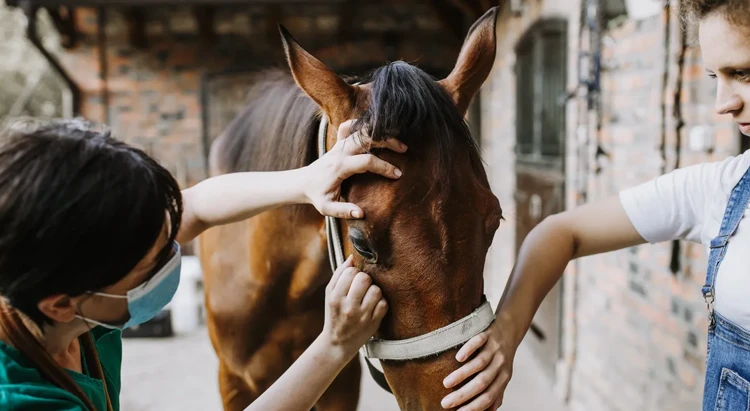
Cancer in horses, much like in humans, is a significant health concern that requires prompt and professional care. As in all animals, cancer is a complex disease that can be challenging to manage. Early detection plays a crucial role in improving the outcomes and quality of life for affected horses.
For horse owners and enthusiasts, understanding the signs that may indicate the presence of cancer is the first step towards securing timely and effective treatment for their equine companions. This article aims to shed light on those signs, offering valuable insights into recognizing potential health issues early on.
Seven Signs Your Horse May Have Cancer
Detecting cancer early can be challenging, but certain signs may indicate its presence:
1. Unexplained Weight Loss: A horse that is losing weight despite a good appetite and proper nutrition may be signaling an underlying issue, including cancer.
2. Lumps or Swelling: Any new lump or swelling that persists or grows over time should be examined by a veterinarian.
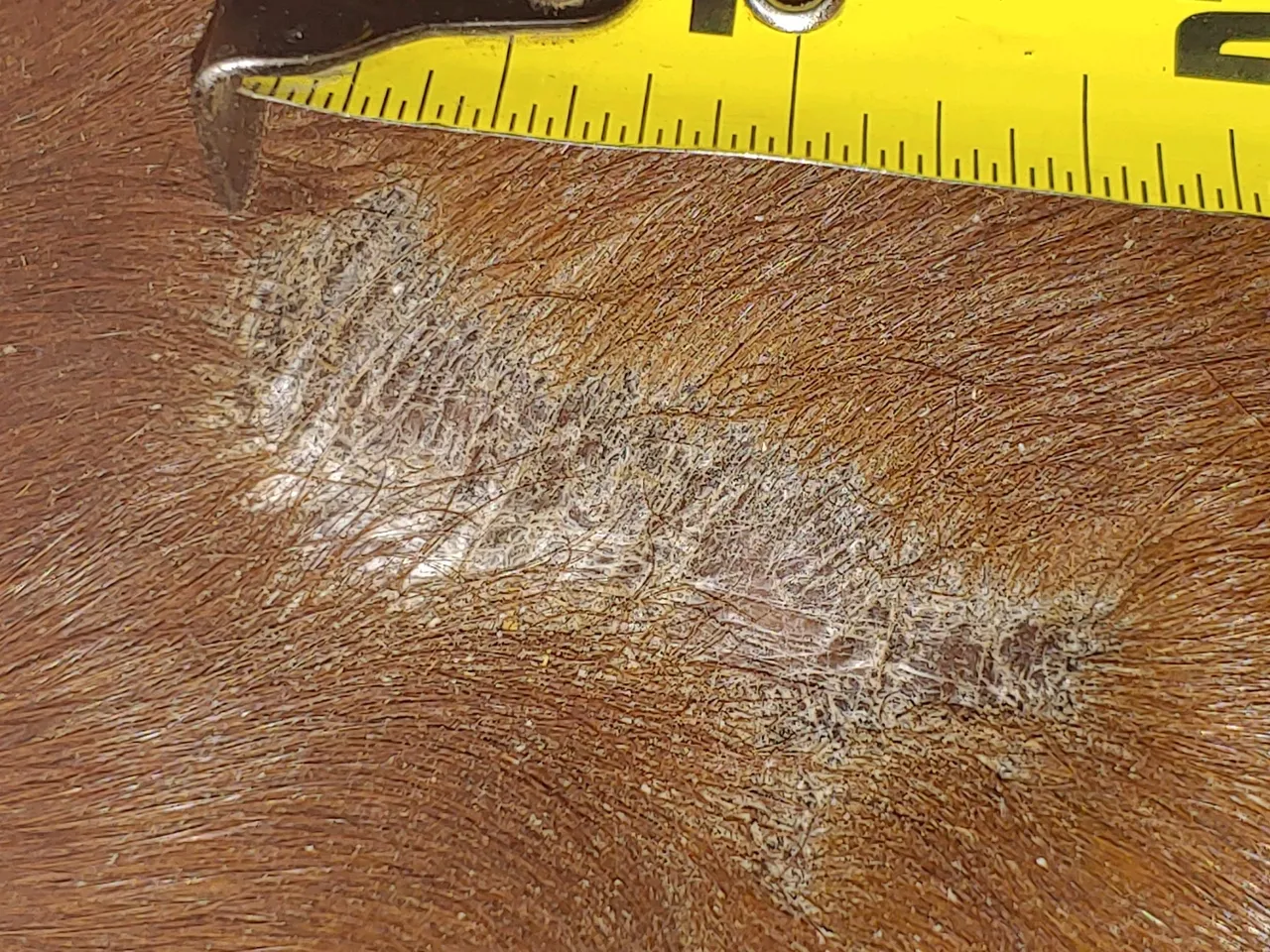
3. Changes in Skin or Coat: Look out for unusual spots, sores that don’t heal, or changes your horse’s coat color or texture, as these can be signs of skin cancer.
4. Behavioral Changes: A noticeable decrease in energy levels or a reduced interest in surroundings can be indicative of discomfort or pain associated with cancer.
5. Chronic Sores or Wounds: Sores or wounds that do not heal with standard treatment might be cancerous and require immediate veterinary attention.
6. Abnormal Discharges: Discharges from any opening, especially if bloody or of an unusual color, should be investigated.
7. Difficulty Eating or Swallowing: This could suggest tumors in the mouth, throat, or esophagus, leading to pain or obstruction.
Diagnosis and Treatment
Upon noticing any signs, it’s crucial to consult a veterinarian as early as possible. Diagnosing cancer may involve a thorough examination, blood tests, biopsies, and imaging techniques like X-rays or ultrasounds. Treatment varies widely based on the type and stage of cancer and may include surgical removal of tumors, innovative treatments such as IsoPet®, chemotherapy, radiation, and supportive care to manage symptoms and improve quality of life.
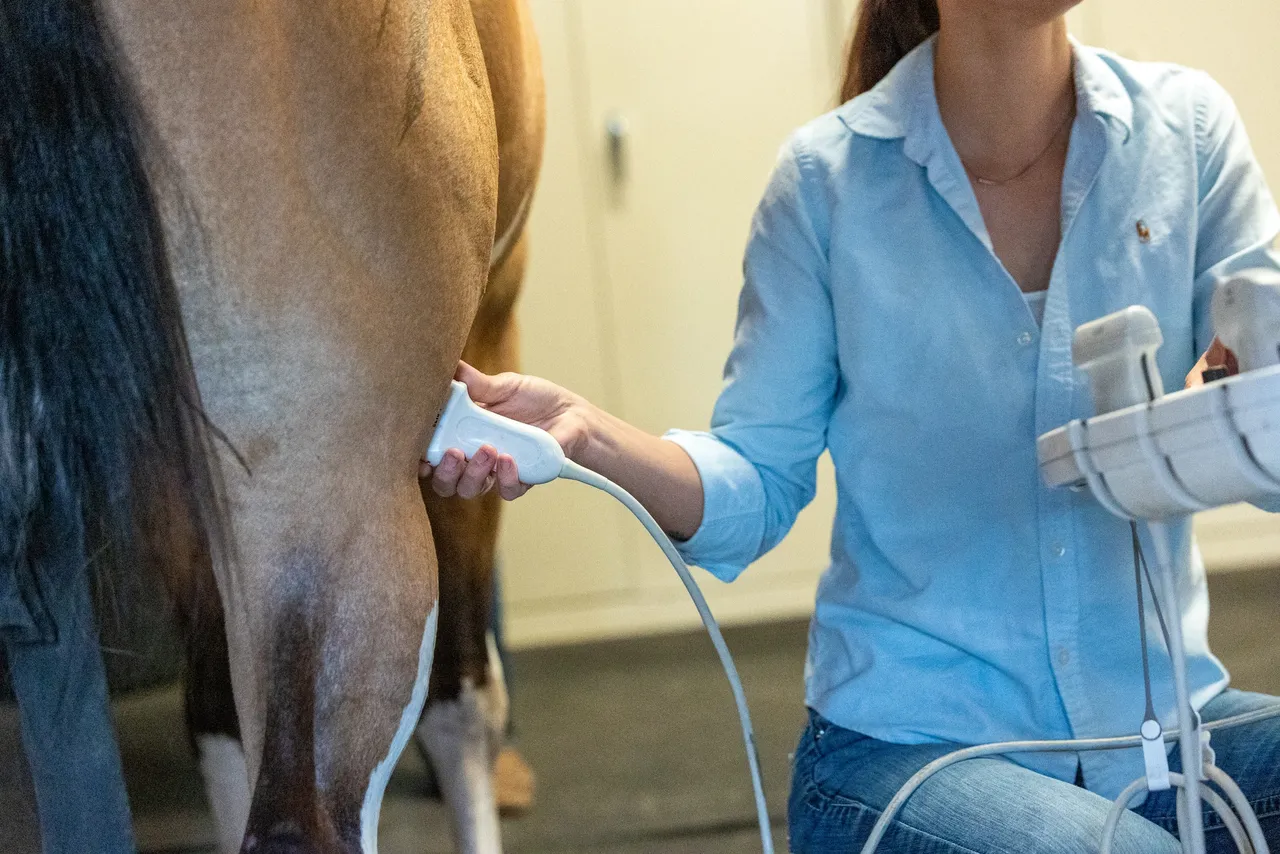
The detection and diagnosis of cancer in horses involve a combination of methods tailored to the suspected type of cancer and its location. A physical examination is often the first step, where a veterinarian looks for visible signs and palpates the horse to identify abnormalities. When a tumor or unusual growth is suspected, a biopsy may be performed, where a small tissue sample is taken and analyzed for cancerous cells. This method is crucial for confirming the presence of cancer and determining its type.
Advancements in imaging technology have significantly improved the diagnostic process. Ultrasound is commonly used for visualizing internal tumors, especially in the abdomen and chest, while Magnetic Resonance Imaging (MRI) provides detailed images of structures within the body, useful in identifying the extent of cancer spread. These tools, combined with the veterinarian’s expertise, play a vital role in developing an effective treatment plan.
Understanding Equine Cancer
Cancer is a condition where cells in the body grow uncontrollably, often forming tumors that can invade and damage healthy tissue. In horses, cancer can manifest in various forms, with some types being more prevalent than others. Recognizing cancer in its early stages can significantly enhance the treatment options and prognosis for the horse.
Types of Cancer in Horses
Horses can develop various types of cancer, with some being more prevalent than others.
- Melanomas are particularly common in gray horses, often appearing as dark, nodular growths that can spread internally.
- Squamous cell carcinomas affect areas exposed to sunlight, such as the skin, eyes, and mouth, highlighting the importance of sun protection.
- Lymphomas, although less common, can impact multiple organs and present a range of symptoms, depending on the affected sites.
Recognizing the signs early and seeking veterinary advice is crucial in managing these cancers effectively.
If Your Horse Is Diagnosed With Cancer
While not all cancers can be prevented, regular veterinary check-ups, a balanced diet, and a healthy environment can minimize risk factors and give your horse a better chance of survival. Facing a cancer diagnosis in a horse can be daunting, but advancements in veterinary medicine have opened up a range of treatment options, offering hope for recovery and a good quality of life. With advancements in veterinary medicine, there are now more options than ever to treat and manage cancer in horses, offering hope to horse owners and professionals alike.
Upon diagnosing cancer in a horse, a range of treatment options may be considered, depending on the type, stage, and location of the cancer, as well as the overall health of the horse. Treatment aims to remove or destroy cancer cells while minimizing impact on the horse’s quality of life. The traditional treatment categories include surgical removal, chemotherapy, radiation therapy, and, in some cases, immunotherapy or alternative treatments. IsoPet® Precision Radionuclide Therapy™ (PRnT) is a new generation, safe, same day cancer treatment being offered across the United States. The choice of treatment is highly individualized, often involving a combination of these options for the best possible outcome.

Conclusion
Early detection and professional care are key to effectively managing cancer in horses. By working closely with veterinary professionals, horse owners can navigate the challenges of cancer treatment, ensuring their beloved companions receive the best possible care. Remember, the fight against equine cancer is a journey, and with the right support and our patented IsoPet® treatment, many horses go on to lead happy, healthy lives post-diagnosis.