

IsoPet® and our patented Precision Radionuclide Therapy™ (PRnT) represent innovative approaches in the treatment of cancer, focusing on delivering targeted radiation to cancerous tumors while minimizing damage to surrounding healthy tissues.
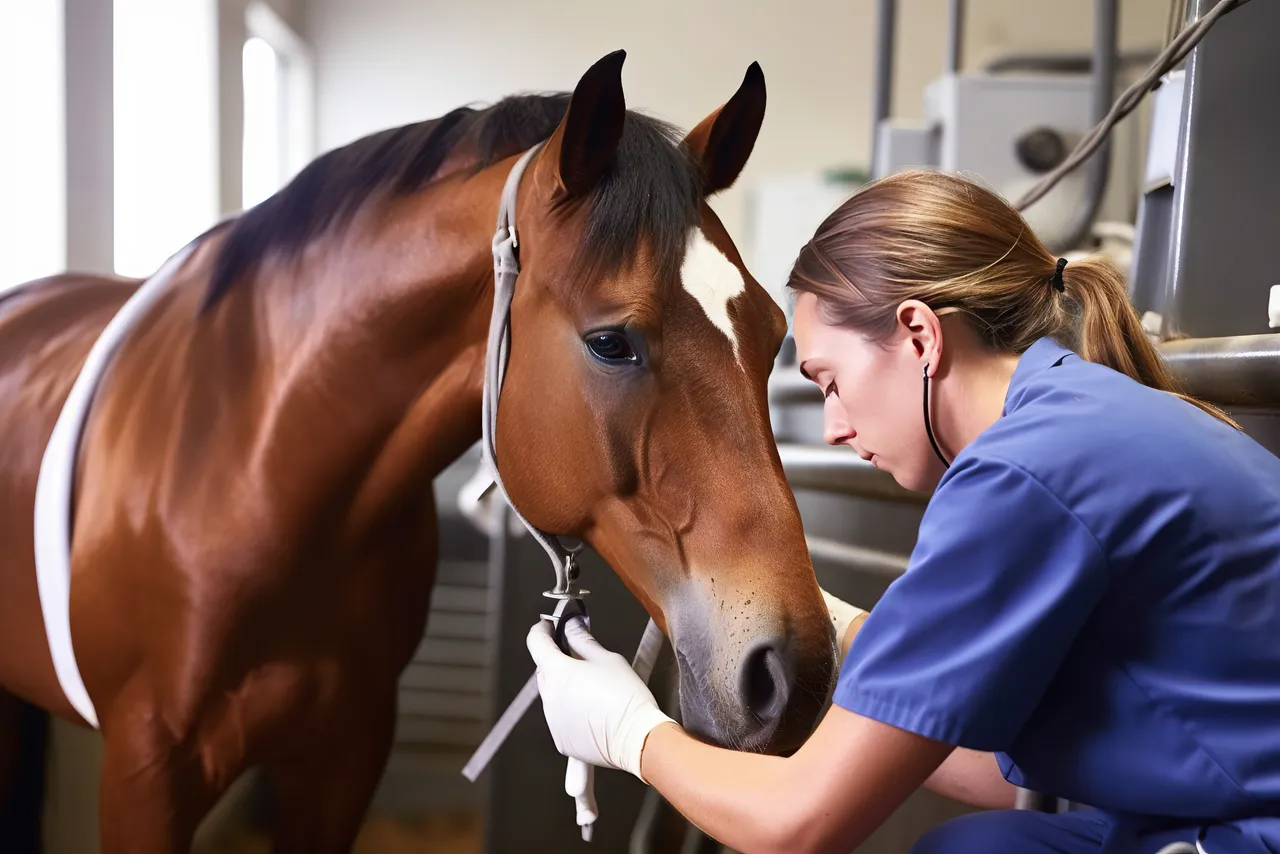
Pet cancer is a significant health issue affecting a wide range of animals, particularly cats, dogs and horses. Similar to humans, pets can develop various types of cancers, with some breeds being more susceptible to certain cancers than others. Understanding pet cancer is crucial for early detection, effective treatment, and improving the overall quality of life for our furry friends.

Causes of Pet Cancer
The exact causes of cancer in pets can be multifaceted, including genetic predisposition, environmental factors, and lifestyle. Some breeds have a higher genetic risk of developing certain types of cancers. Exposure to carcinogens, such as secondhand smoke, pesticides, and certain chemicals, can also increase cancer risk in your pet.
Symptoms of Pet Cancer
Symptoms can vary widely depending on the type of cancer, but there are some general signs to watch for:
– Unexplained weight loss or loss of appetite
– Lumps or bumps that grow or change in size
– Persistent sores or skin infections
– Abnormal discharges (blood, pus, vomiting, diarrhea, or any other unusual discharge)
– Difficulty eating or swallowing
– Lethargy or loss of stamina
– Difficulty breathing, urinating, or defecating
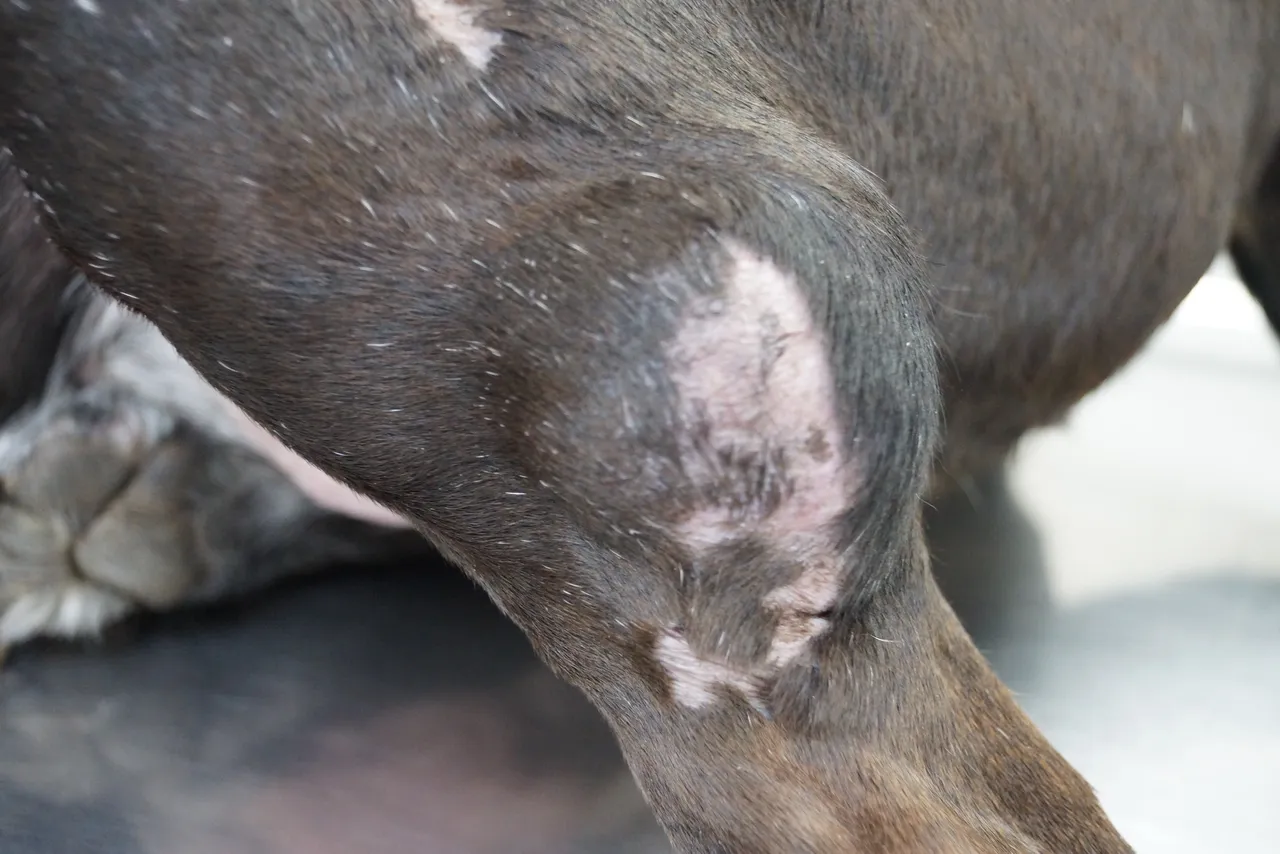
Types of Lumps and Bumps That Could Indicate Pet Cancer
Lipomas are slow growing movable lumps often appearing in older animals and are often benign. It is essential to monitor them and seek veterinary assessment if concerned.
Sebaceous cysts, resembling pimples, arise from blocked oil glands and typically contain a white, pasty substance. While usually benign, they can become infected and require veterinary attention.
Warts, or viral papillomas, are common in young animals and often resolve on their own. However, warts are persistent in older animals and it’s best to have your vet examine the area as removal may be a plan of action to eliminate growth.
Abscesses are painful and pus-filled lumps resulting from infections and require prompt veterinary treatment with antibiotics and possibly drainage.
Soft tissue sarcomas typically grow under the skin, in the connective tissues such as muscles, tendons, and fat. These can be painful to the animal when touched. Seek veterinary advice if your pet is in pain and to determine if the IsoPet® therapy is an option.
Tumors on or below the skin are the most common form of skin cancer in animals. These bumps vary in appearance and require veterinary diagnosis. Treatment options may involve surgery, chemotherapy, or innovative therapies such as IsoPet®.
Types of Pet Cancer
Lymphoma: This is one of the most common types of cancer in dogs and cats, affecting the lymph nodes and immune system.
Mast Cell Tumors: Common in dogs, these tumors can occur on the skin and occasionally internally.
Melanoma: A type of cancer that is common in dogs, especially affecting the mouth or toes. Melanomas can be very aggressive.
Diagnosis and Treatment
Diagnosing pet cancer often involves a combination of physical examinations, blood tests, imaging (such as X-rays, ultrasound, or MRI), and biopsy. Treatment options vary depending on the type and stage of cancer and can include surgery, chemotherapy, radiation therapy, and, more recently, targeted therapies such as IsoPet®.
Supportive care is also crucial in managing cancer in dogs, cats and horses. Focusing on nutritional support and exercise will give your pet a good chance of a quality life when diagnosed with cancer.
Pet cancer can be a challenging and emotional journey for pet owners. Advances in veterinary medicine, including targeted therapies and personalized treatment plans, offer hope and have significantly improved outcomes for many pets with cancer.
IsoPet® is a treatment specifically designed for treating cancer in small and large animals such as cats, dogs and horses suffering with cancer. IsoPet® is specifically tailored for veterinary use and the goal is to provide a more effective and less invasive treatment option for pets suffering from various types of cancers.
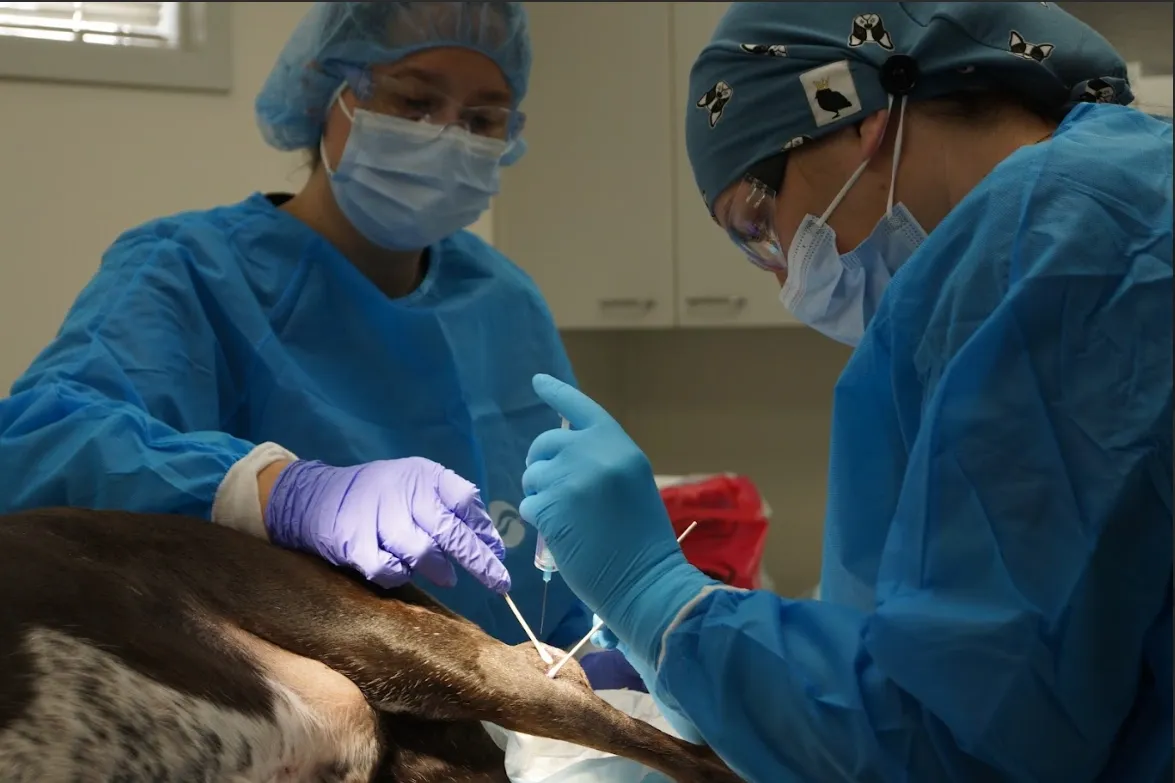
Key Features of IsoPet® Cancer Treatment:
Targeted Treatment: Directly targets tumor cells, delivering radiation right to the tumor while sparing surrounding healthy tissues.
Minimally Invasive: Offers a non-surgical option for pets where surgery is not feasible.
Personalized Treatment: Every pet patient is unique and your veterinarian can determine is IsoPet® is the right option for your pet’s cancer.
Versatility: Effective against a large cancerous tumors, including those resistant to other treatments.
Improved Quality of Life: Aims to reduce the symptoms and discomfort associated with cancer, enhancing your pet’s overall well-being.
Supportive care: a crucial aspect in managing cancer in pets is to have the support of your vet, quality nutritional support, and to maintain a good quality of life.

Prevention and Management
While not all cancers can be prevented, certain steps can help reduce the risk:
– Regular veterinary check-ups for early detection
– Maintaining a healthy diet and weight
– Minimizing exposure to known carcinogens
Pet cancer can be a challenging and emotional journey for pet owners. Advances in veterinary medicine, including targeted therapies such as IsoPet® Precision Radionuclide Therapy™ (PRnT) and personalized treatment plans, offer hope and have significantly improved outcomes for many pets with cancer.
IsoPet® is currently being used in 7 veterinary hospitals in the USA and highlights the advancements in cancer treatment, focusing on maximizing therapeutic efficacy while minimizing side effects. IsoPet® offers hope for more effective cancer treatment, improving outcomes and quality of life for furry family members.