
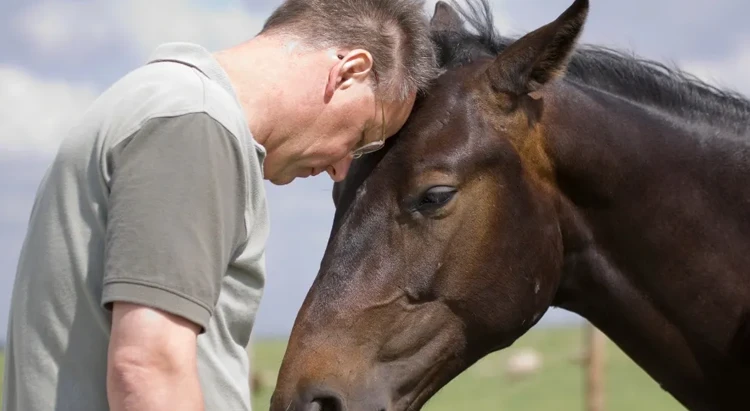
When a beloved horse is diagnosed with cancer, it is not just a physical battle but also an emotional journey for both the horse and its owner. Cancer in horses, like in humans, brings with it a host of challenges that require careful management and dedicated care.
This article aims to provide guidance on how to support your horse through this difficult time, focusing on improving their quality of life and ensuring they feel loved and comfortable. From nutritional advice to managing pain and working with veterinary professionals, we will explore various aspects of care that are crucial for supporting your equine friend.
Understanding Equine Cancer
Types of Cancer in Horses
Cancer can manifest in horses in several forms, with some types more common than others. Skin tumors, such as sarcoids and melanomas, are frequently observed. Internal cancers like lymphosarcoma are less common but pose a significant risk due to their often late diagnosis.
Symptoms and Diagnosis
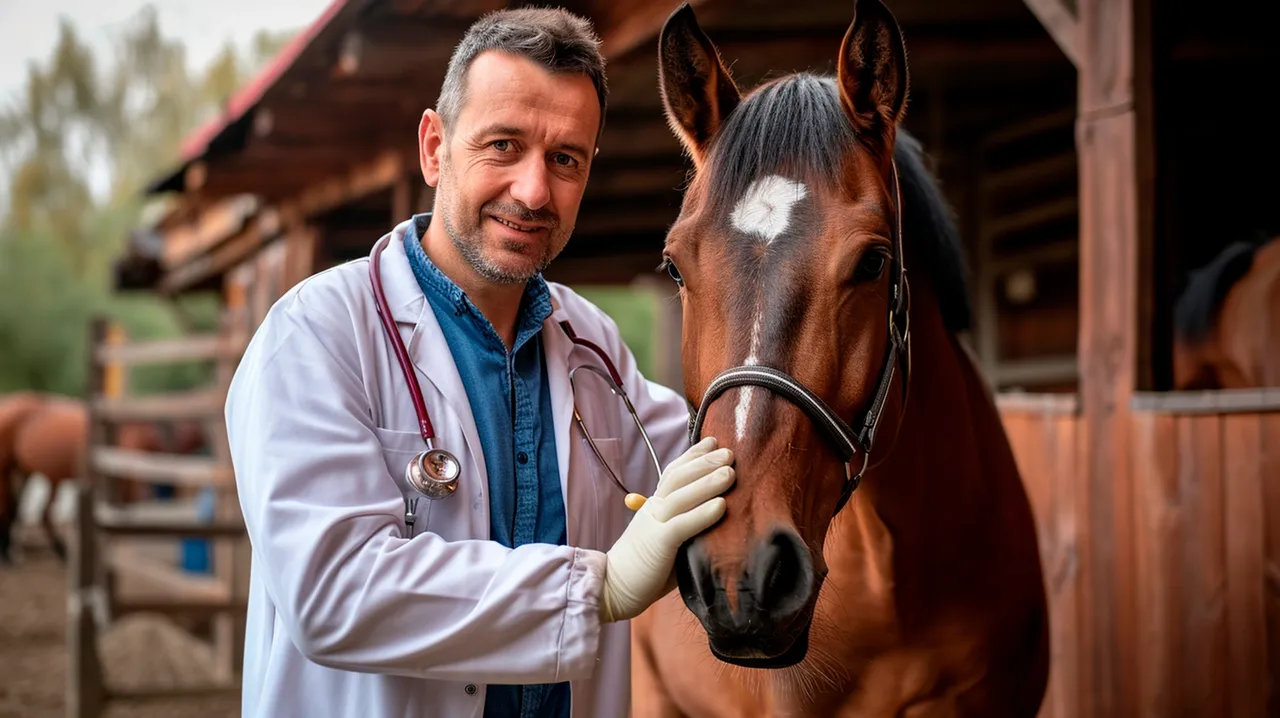
Symptoms of cancer in horses vary depending on the type and location of the tumor but may include noticeable lumps, swelling, sudden weight loss, or changes in behavior or appetite. Diagnosing cancer typically involves a combination of veterinary examinations, biopsies, and imaging techniques like ultrasound or X-rays to determine the presence and extent of the cancer. Refer to our blog “Seven Signs Your Horse May Have Cancer” if you would like more information on what to look for.
Treatments Available
Treatment options depend on the type and stage of cancer but can include surgery to remove tumors, chemotherapy, radiation therapy and innovative, next generation cancer treatments such as IsoPet®. IsoPet® is a patented Precision Radionuclide Therapy™ available in the USA that offers a safer cancer treatment for your horse. Each treatment comes with its own benefits and risks, which should be carefully weighed in consultation with your veterinarian.
Supporting Your Horse’s Cancer Journey
Nutritional Support
Good nutrition plays a crucial role in supporting a horse with cancer, as it can help strengthen their immune system and support their body through treatment.
Importance of Nutrition in Cancer Care
Cancer and its treatments can often lead to reduced appetite and weight loss in horses. Providing a high-quality, nutrient-rich diet can help counteract these effects and aid in recovery.
Recommended Diet Changes
It’s advisable to consult with a veterinarian who can recommend specific diet adjustments tailored to your horse’s condition. Typically, diets should be easily digestible and high in energy, with a focus on high-quality proteins and fats. Including antioxidants in the diet may also help combat the side effects of cancer and its treatments.
Supplements
Supplements can also be beneficial. Omega-3 fatty acids, for instance, are known for their anti-inflammatory properties and can support overall health. Antioxidant supplements like vitamin E and selenium may also be recommended, but it’s essential to discuss any supplementation with your vet to ensure they are appropriate for your horse’s specific needs.
Managing Pain and Discomfort
Managing pain is paramount in caring for a horse with cancer, as it directly impacts their quality of life.
Common Pain Issues
Pain can arise from the tumor itself or as a side effect of treatments like surgery or radiation. Common signs of pain in horses include changes in behavior, reluctance to move, and decreased appetite.
Pain Management Strategies
A variety of pain management options are available:
Medications: Non-steroidal anti-inflammatory drugs (NSAIDs) can be used to manage inflammation and pain. More severe pain might require stronger prescription medications.
Therapies: Physical therapies, including massage and acupuncture, can provide relief and enhance mobility.
Holistic Approaches: Some owners find success integrating holistic approaches like herbal remedies or homeopathy. However, always consult with your vet before starting any new treatment.
Environment and Routine Adjustments
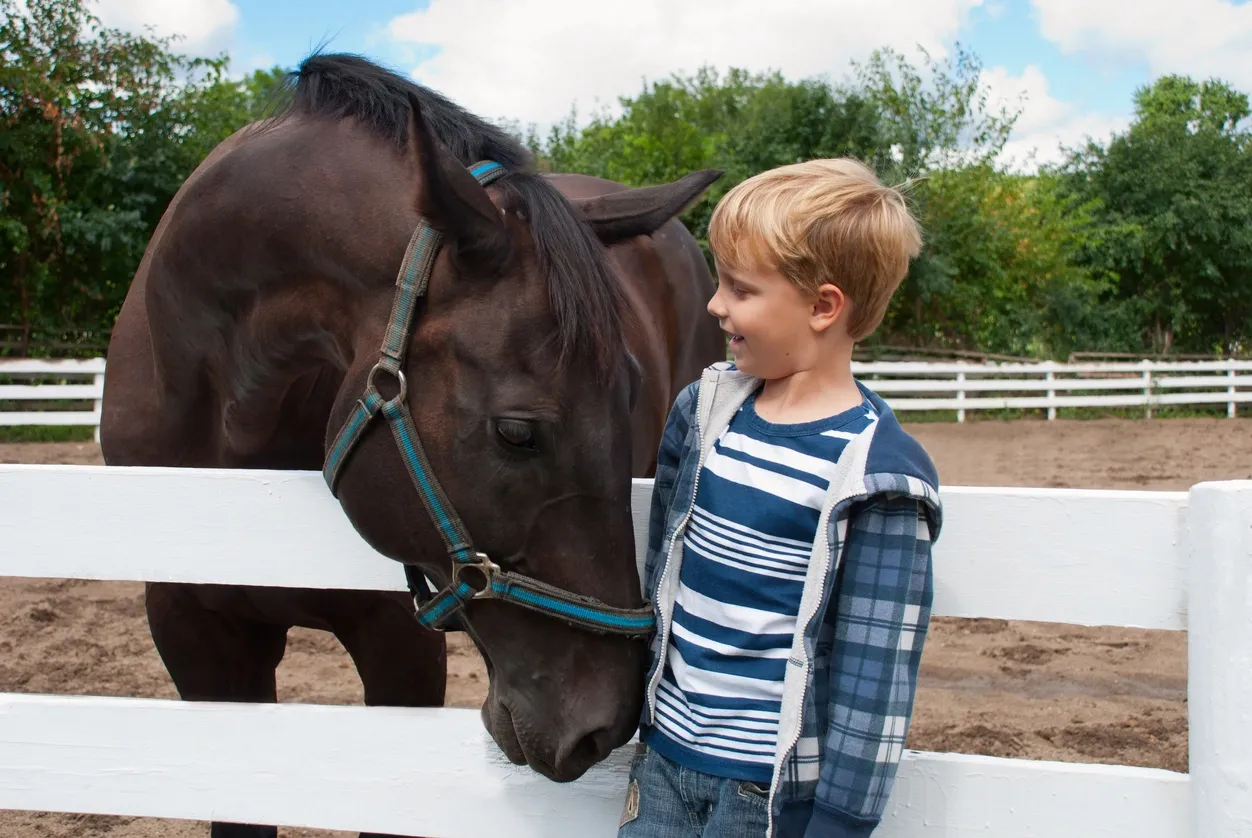
Maintaining a comfortable environment that allows for easy movement and reduces stress is crucial. Soft bedding, regular gentle grooming, and maintaining a calm atmosphere will help minimize discomfort.
Emotional and Physical Well-being
The emotional health of a horse with cancer is just as important as their physical health. Creating a supportive environment and maintaining a routine can significantly impact their well-being.
Role of Environment and Routine
Maintaining a familiar routine helps reduce stress and anxiety in horses. Consistency in feeding, exercise, and interaction can provide a sense of security and normalcy.
Suitable Activities and Exercises
While it’s important to adjust activities based on the horse’s energy levels and physical capabilities, gentle exercise can be beneficial. Light walking and grazing in a calm environment can help maintain muscle tone and improve mood. Always tailor activities to the individual needs of your horse, and avoid any exercise that causes discomfort.
Veterinary Care and Monitoring
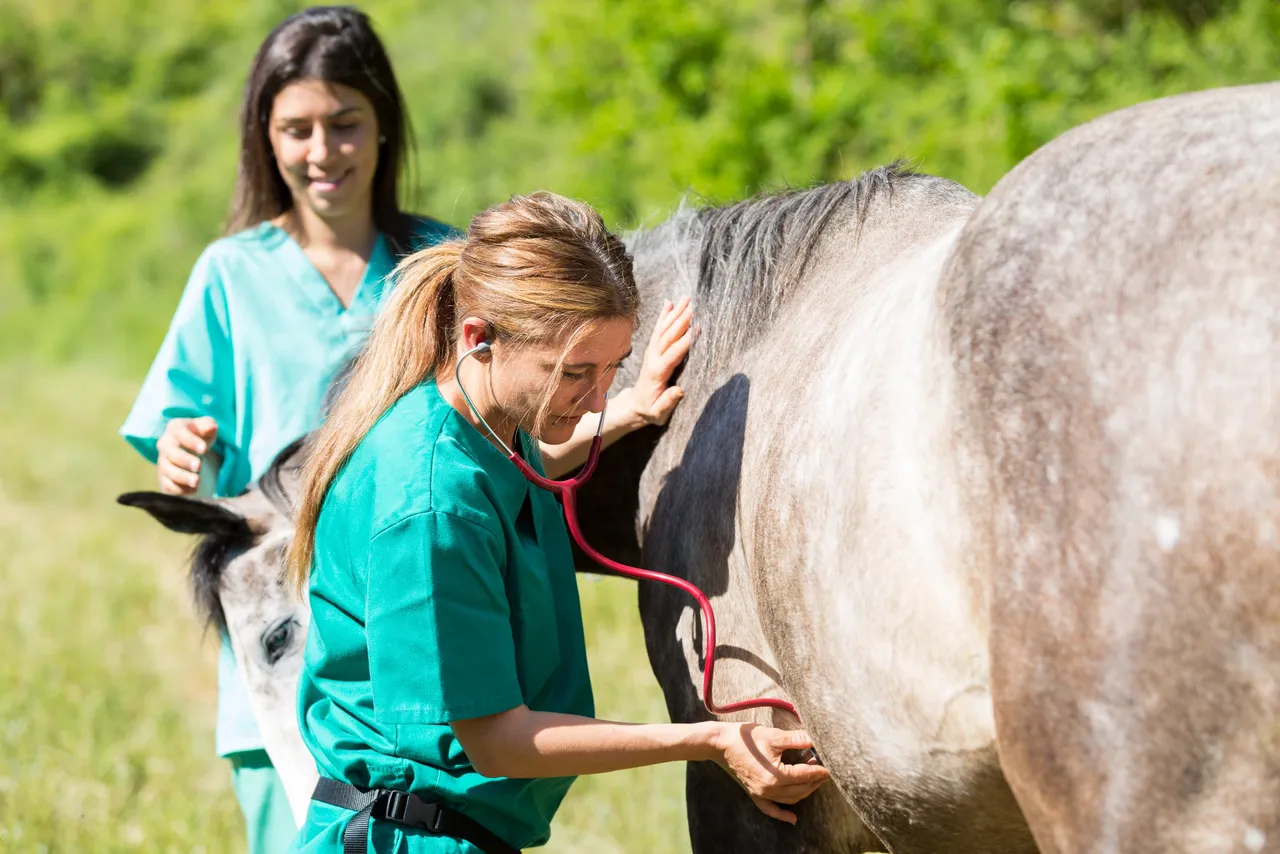
Regular veterinary care is crucial for managing a horse’s cancer and ensuring the best possible quality of life.
Regular Veterinary Check-ups and Monitoring
Frequent check-ups allow for adjustments in treatment as needed and help monitor the horse’s response to therapy. Regular blood tests, imaging, and physical exams are part of an effective monitoring regimen.
Working Effectively with Your Veterinary Team
Building a strong relationship with your veterinary team is essential. Be open about observing any changes in your horse’s condition and behavior, and maintain clear communication. Ask questions and express any concerns you have—it’s vital for making informed decisions about your horse’s care.

End of Life Considerations
Discussing end-of-life care is challenging but important. Assessing quality of life and making compassionate choices are critical when treatments no longer provide relief.
Quality of Life Assessments
Quality of life assessments typically consider factors like pain management, appetite, mobility, and overall happiness. These assessments help determine when it may be time to consider euthanasia to prevent suffering.
Euthanasia and Bereavement Support
Euthanasia is a difficult but sometimes necessary decision to prevent undue suffering. Bereavement support from your veterinary clinic, counselors, or support groups can be invaluable during this time.
Conclusion
Supporting a horse with cancer involves comprehensive care that addresses both physical and emotional needs. By understanding the specifics of equine cancer and implementing supportive care strategies, you can make a significant difference in your horse’s quality of life. Remember, each horse is unique, and their needs may change over time. Continuous learning and adaptation, guided by empathy and supported by professional advice, are key to navigating this challenging journey.
If your horse has cancer and you would like to know if IsoPet® may be an option for cancer treatment please fill our out Equine Application Form or email info@vivosinc.com and a member of our team will gladly answer your questions.