

When your beloved pet receives a cancer diagnosis, it can be an overwhelming and emotional experience. Your veterinarian is your partner in your pet’s cancer journey and knowing the right questions to ask can help you navigate this challenging time, ensuring you make informed decisions for your pet’s health and well-being. This blog will guide you through what to look for in a veterinarian and the top five essential questions to ask your vet about pet cancer, helping you understand the diagnosis, treatment options, and what to expect moving forward.
Do you have a veterinarian you trust?
Trusting your veterinarian is crucial for your pet’s health and well-being. As a pet parent, you want someone who is knowledgeable, caring, and trustworthy to take care of your furry friend.
Experience:
A good veterinarian should have the proper qualifications and experience. Look for a vet who is board-certified and has experience treating pets with cancer. Experience in handling different types of pets, and different types of cancer is also important.
Communication:
Your vet should be able to communicate clearly and compassionately about your pet’s cancer diagnosis. They should take the time to explain your pet’s health status, treatment options, and any procedures in a way that you can understand. Good communication helps in building trust and ensuring your pet receives the best care.
Advanced treatments:
Your vet should be aware of the latest cancer treatments available and be able to treat your pet’s cancer in their clinic or be willing to refer you to the nearest clinic that does offer advanced cancer care. Advanced diagnostic tools and cancer treatments are imperative to a positive cancer treatment protocol. A state of the art, well-equipped clinic can make a significant difference in the diagnosis and treatment of your pet.
Emergency services:
It’s important to know if the veterinarian offers emergency services or can refer you to a reliable facility that does. Quick access to emergency care can be critical in urgent situations and give you peace of mind.
Reviews:
Finally, check online reviews and ask for recommendations from other pet parents. Positive reviews and personal recommendations can provide insight into the veterinarian’s reputation and the quality of care they provide.
Selecting the right veterinarian from the start requires some research. However, once you find a vet you trust with your pet’s cancer care, becoming an informed health advocate and asking the right questions can make a significant difference in your pet’s well-being.

The Top 5 Questions To Ask Your Vet About Pet Cancer
- What Type of Cancer Does My Pet Have?
Understanding the specific type of cancer your pet has is crucial. Different cancers can vary significantly in terms of their behavior, treatment options, and prognosis.
Diagnosis Details:
Ask your vet to explain the type of cancer, including the affected area, cell type, and stage of cancer. Don’t be afraid to ask for clarification of terms and take notes to do further research on your own.
Progression:
Inquire about how this particular cancer typically progresses and whether it is likely to spread to other parts of the body. Ask about past cancer cases that may be similar to your pet’s and what their outcome was as every cancer progresses differently.
Symptoms and Signs:
Learn about the symptoms you should watch for and how your pet’s cancer diagnosis might impact your pet’s daily life. If you are ensure of what to look for refer to our blog on lumps and bumps in pets here.
Knowing the type of cancer helps in setting realistic expectations and preparing for the journey ahead.

2. What Are the Cancer Treatment Options Available?
Once you have a clear understanding of the diagnosis, the next step is to explore the treatment options. The treatment plan will depend on various factors, including the type of cancer, its stage, and your pet’s overall health.
Treatment Options:
Discuss the available treatments, such as surgery, chemotherapy, radiation therapy, immunotherapy, and targeted therapy.
Goals of Treatment:
Clarify whether the treatment aims to cure the cancer, manage symptoms, or improve quality of life.
Side Effects:
Understand the potential side effects of each treatment option and how they might affect your pet’s daily routine and comfort.
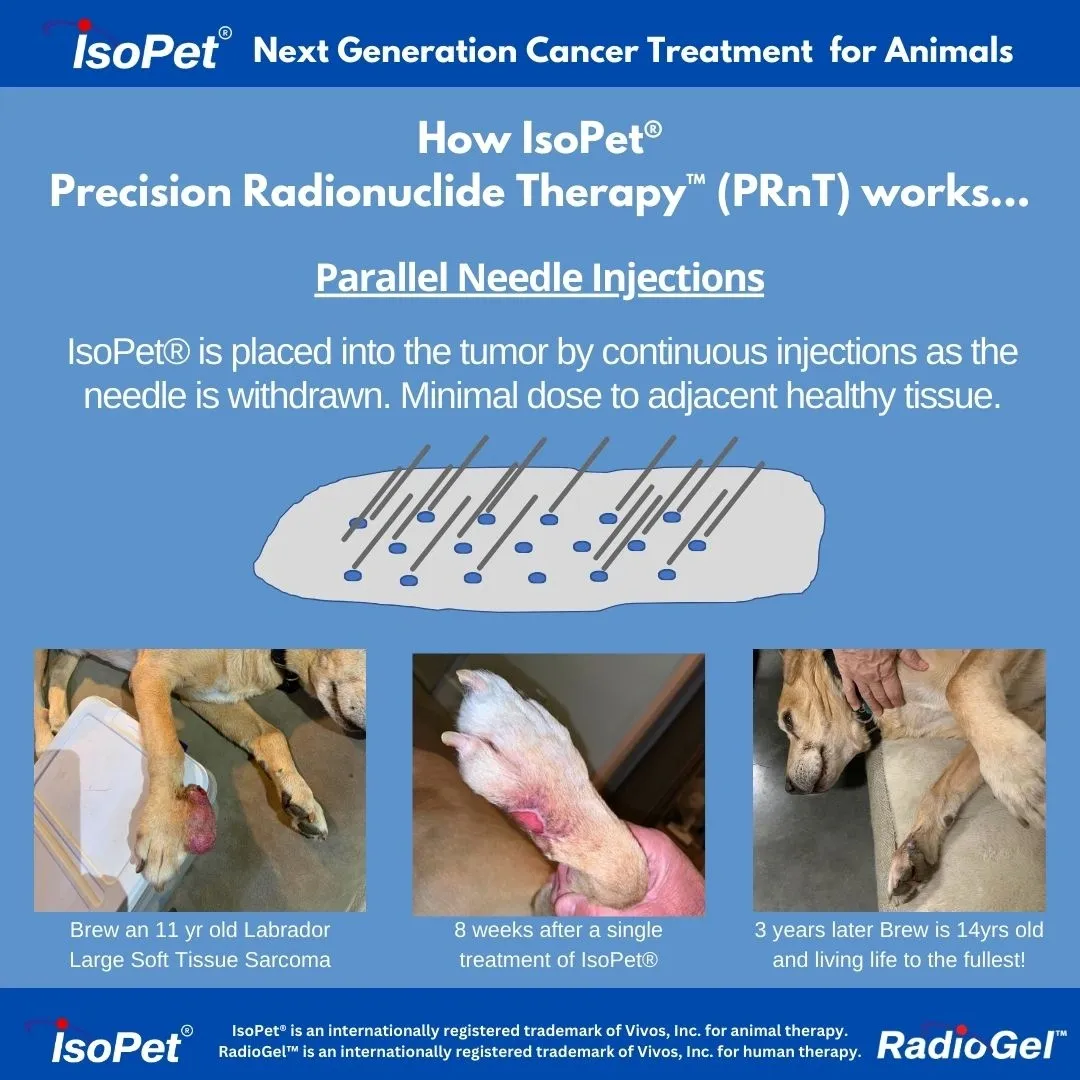
By knowing all the safest and most effective cancer treatment options available, you can make an informed decision that aligns with your pet’s needs and your personal preferences.
3. What Is the Prognosis for My Pet?
Prognosis refers to the expected outcome of the disease and the potential lifespan of your pet following a cancer diagnosis and treatment.
Survival Rates:
Ask about the typical survival rates for pets with this type of cancer and at this stage.
Quality of Life:
Discuss how the disease and its treatment will impact your pet’s quality of life.
Monitoring and Follow-Up:
Learn about the necessary follow-up care and monitoring to keep track of your pet’s health status and any potential recurrence of cancer.
Understanding the prognosis can help you prepare emotionally and practically for the road ahead.

4. How Will Cancer Treatment Affect My Pet’s Daily Life?
Cancer treatments can have significant effects on your pet’s day-to-day activities and overall well-being.
Daily Routines:
Inquire how treatment will affect your pet’s eating habits, energy levels, and physical activity.
Pain Management:
Discuss pain management options to ensure your pet remains comfortable throughout the treatment process.
Special Care Needs:
Ask about any special care or accommodations your pet might need during and after treatment, such as dietary changes, medication administration, or mobility assistance.
Knowing what to expect can help you make necessary adjustments to provide the best possible care for your pet.

5. What Support Resources Are Available for Me and My Pet?
Dealing with pet cancer is not only challenging for the animal but also for the pet owner. Seeking support can make a significant difference.
Support Groups:
Ask your vet if there are any local or online support groups for pet owners dealing with cancer.
Professional Support:
Inquire about veterinary oncologists, pet hospice services, and counseling for pet owners.
Educational Resources:
Request information on reputable sources where you can learn more about pet cancer, treatments, financial support options and caregiving tips.
Having access to support and resources can provide you with the emotional and practical help needed to navigate this difficult time.
Facing a cancer diagnosis for your pet is undeniably tough, but asking the right questions can empower you to make informed decisions and provide the best possible care. By understanding the type of cancer, exploring treatment options, discussing the prognosis, learning about the impacts on daily life, and seeking support resources, you can navigate this journey with greater confidence and compassion.
Each of these questions serves as a stepping stone towards understanding your pet’s condition and making decisions that prioritize their health and well-being. Remember, your trusted vet is a crucial partner in this journey, and open communication is key to navigating the challenges of pet cancer.
By staying proactive and engaged, you can make a meaningful difference in your pet’s cancer journey, providing them with the best possible care and comfort.