

The Risks of Surgery on Exotic Animals and the Potential of Advanced Targeted Radiation Therapy – PRnT™
Exotic animals, including birds, reptiles, and small mammals, are increasingly becoming popular pets. Their unique physical structures and biological characteristics, however, make surgical interventions when dealing with cancerous tumors highly complex and risky. Solid cancerous tumors in exotic pets are a significant concern for pet owners and veterinarians alike. Unlike domestic cats and dogs, exotic pets, such as reptiles, birds, and small mammals, often have unique health challenges that complicate diagnosis and treatment.

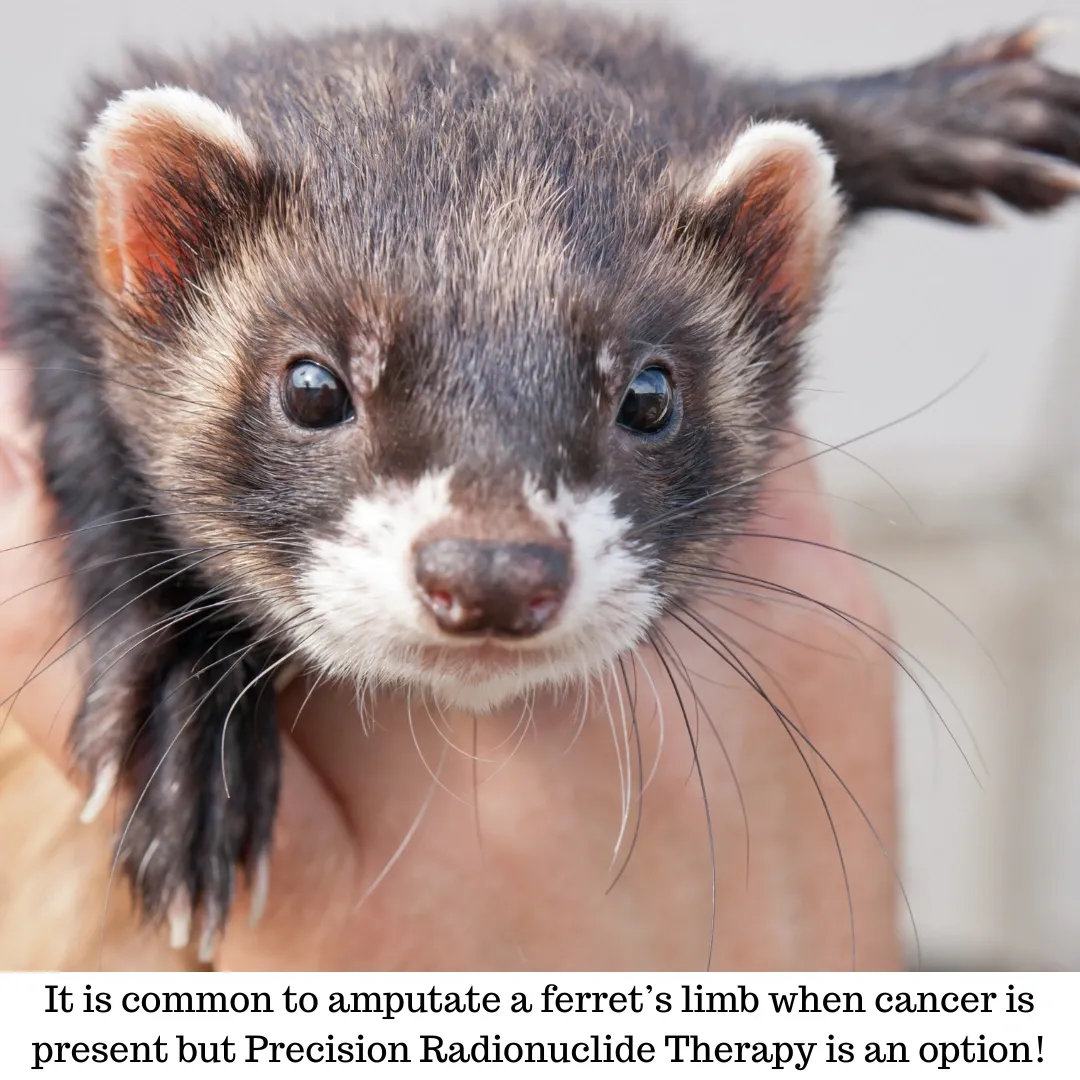
Traditional surgery for solid tumors often poses significant challenges and threats to exotic animals, including the need for extensive sedation and the potential for serious complications or even death. In contrast, advancements in targeted radiation therapy, such as Precision Radionuclide Therapy™ or PRnT™ offer a promising option that can mitigate many of these risks, potentially reducing the need for amputations, and improving survival rates.
Understanding Solid Tumors in Exotic Pets
Solid tumors are abnormal masses of tissue that can occur in various parts of the body. They can be benign (non-cancerous) or malignant (cancerous), with the latter posing a more severe health threat due to their potential to spread (metastasize) to other body parts. In exotic pets, these tumors can develop in organs, skin, bones, and other tissues and are often harder to detect and require careful attention.
Common Types of Solid Tumors
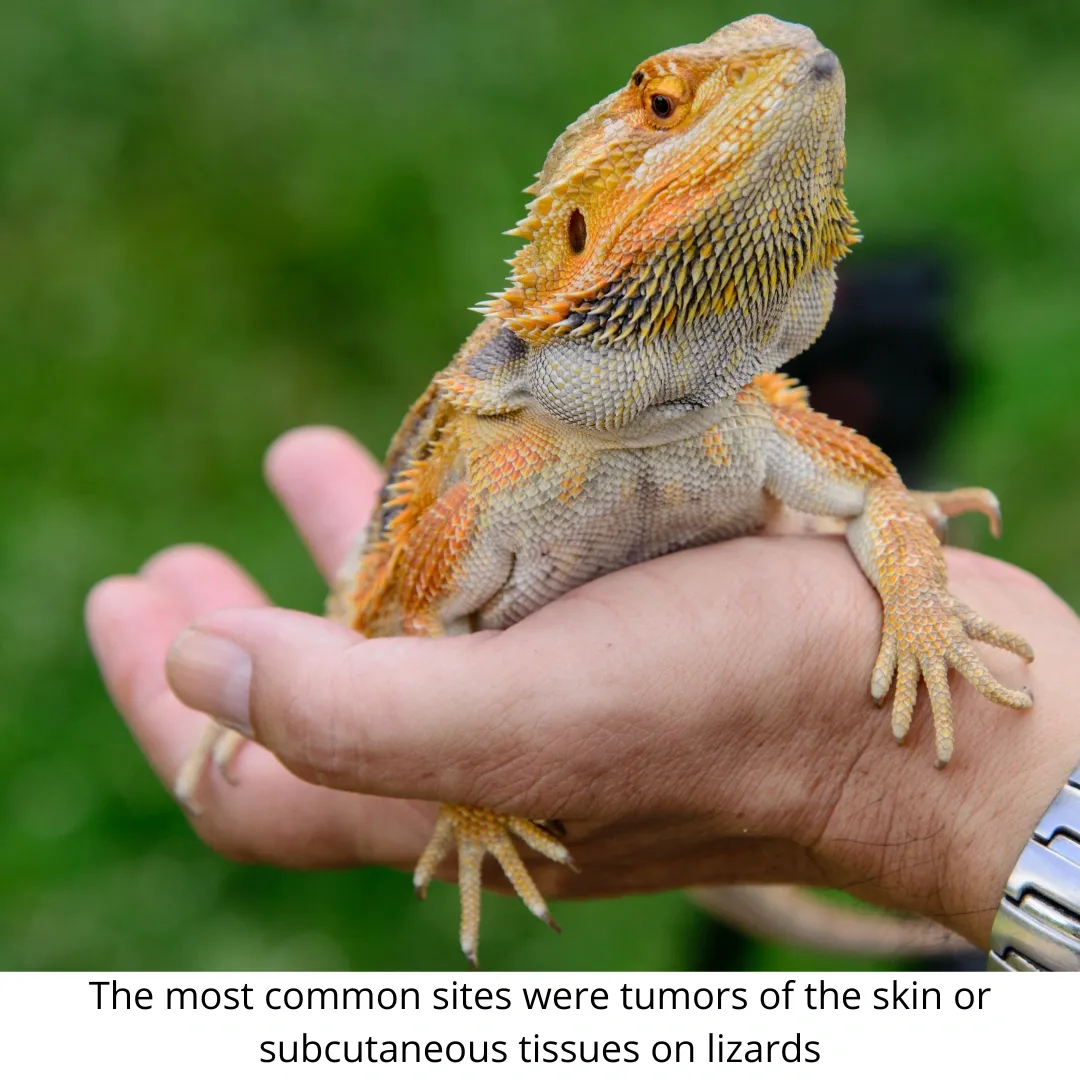
- Reptiles: Reptiles like snakes and lizards commonly suffer from tumors such as fibrosarcomas, melanomas, and squamous cell carcinomas.
- Birds: Birds can develop lipomas, fibrosarcomas, and osteosarcomas. Psittacine birds (parrots) are particularly prone to lipomas.
- Small Mammals: Rodents and rabbits often encounter mammary tumors, lymphomas, and osteosarcomas.

Symptoms and Diagnosis
The symptoms of solid tumors in exotic pets can vary widely depending on the tumor’s location and type. Common signs include:
• Visible lumps or masses
• Changes in behavior or activity level
• Weight loss
• Difficulty breathing or eating
• Lameness or mobility issues
Diagnosis typically involves a combination of physical examinations, imaging techniques (such as X-rays or ultrasounds), and biopsy or cytology to analyze the tumor cells. Surgery is often the first line of treatment, aiming to remove the tumor completely but there are risks, particularly with exotic animals.

Understanding the Risks of Surgery on Exotic Animals
Anatomical and Physiological Challenges
Exotic animals possess unique anatomical and physiological traits that complicate surgical procedures:
- Size and Fragility: Many exotic pets are much smaller and more delicate than typical household pets like dogs and cats. This makes surgical precision incredibly challenging and increases the risk of accidental injury during procedures.
- Complex Physiology: Birds, reptiles, and small mammals have distinct physiological systems. For instance, birds have a highly efficient respiratory system that makes them particularly sensitive to anesthesia. Reptiles, being ectothermic, require careful temperature management during surgery.
- Specialized Care Needs: Post-operative care for exotic animals often demands specialized knowledge and equipment. Standard veterinary practices may lack the necessary expertise or facilities, leading to higher post-surgery complications.
- Recovery Complications: The recovery period post-surgery is crucial. Exotic animals are prone to stress and may have a higher risk of complications such as infection, delayed wound healing, or adverse reactions to anesthetics.
Risk of Complications and Mortality
The combination of anatomical, physiological, and anesthetic challenges significantly increases the risk of surgical complications and mortality in exotic animals. The potential for infection, organ damage, and other complications during and after surgery is much higher compared to more common pets. In severe cases, these complications can lead to death, making surgery a last resort for many veterinarians.
Understanding Targeted Radiation Therapy For Cancer
Newer, more innovative technologies for targeted radiation therapy called Precision Radionuclide Therapy™ also known as PRnT™ involves delivering precise doses of radiation directly into the tumor by injection, minimizing damage to surrounding tissues.
Targeted Radiation Benefits Over Traditional Surgery
Targeted radiation therapy or PRnT™ offers several advantages over traditional surgical methods for cancer treatment:
- Non-Invasive Treatment: Unlike surgery, radiation therapy does not involve incisions. This reduces the risk of infection, bleeding, and other surgical complications. Treatment is performed as an outpatient procedure as a single injection with minimal, if any, side effects.
- Preservation of Limbs and Organs: Targeted radiation, PRnT™ can be particularly effective in treating tumors without the need for amputation or removal of affected organs. This is a significant benefit, especially for animals where limb or organ loss would severely impact their quality of life.
Challenges and Considerations
While targeted radiation therapy presents many benefits, there are also challenges to consider:
- Access to Technology: Advanced radiation therapy requires treatment at a certified IsoPet® treatment center with trained veterinarians. Not all veterinary practices have access to these resources, potentially limiting the availability of this treatment for exotic animals.
- Cost: Radiation therapy can be higher than surgery, and the costs may be prohibitive for some pet owners. However, the potential for improved outcomes and reduced complications may justify the investment. Pet insurance may also cover the procedure. If you need more information about pet insurance, read our blog on “What You Need To Know About Pet Insurance”

Conclusion
Solid cancerous tumors in exotic pets require careful attention and specialized veterinary care. Early detection and appropriate treatment are essential for improving the prognosis and quality of life for these unique animals. Pet owners should seek veterinarians with expertise in exotic pets and together compare the risks of surgery and the possibility of advanced targeted radiation treatments such as IsoPet®.
The complexities of surgical procedures for exotic animals necessitate the exploration of safer, more effective, and advanced cancer treatments to improve their care and outcomes. Precision Radionuclide Therapy™ (PRnT™) for cancer in exotic pets emerges as a promising option, offering a non-invasive cancer treatment that can significantly reduce the risks associated with traditional surgery.
By lowering the potential for complications, and preserving the quality of life through less drastic measures than surgery or amputation, PRnT™, a targeted radiation for solid cancerous tumors, represents a significant advancement in veterinary medicine for exotic animals. As access to this technology improves, advanced targeted radiation therapy such as Precision Radionuclide Therapy™ (PRnT™) will become a standard treatment option available in veterinary clinics across the United States, providing a safer and more effective approach to managing cancer in exotic pets.