

There is a worldwide affection for cats. Cats form strong bonds with their owners and offer companionship without being overly demanding. Cats independent nature requires less attention than other pets and they have a playfulness that is entertaining and endearing. Cats are very therapeutic and just the presence of a purring cat can be very soothing and stress-relieving.
As cats live longer lives, thanks to advancements in veterinary medicine and better care, the incidence of cancer in cats has also increased. Cancer is a significant health concern not just for humans but also for our feline companions. Understanding what factors contribute to cancer in cats, recognizing the signs, and taking preventive measures can significantly enhance your cat’s health and longevity.

The Top 5 Factors That May Contribute To Cancer In Cats:
Age: Cancer is more common in older cats. As cats age, their cells are more likely to develop mutations that can lead to cancer. Cats are living longer due to advancements in veterinary medicine, proper nutrition and improved overall care. We love our cats and with many cats living indoors they are safer from accidents and predators which also contributes to a longer lifespan. The oldest recorded age for a cat is 38 years and 3 days, held by a cat named Cream Puff from Texas but most cats see a lifespan of 15-20 years.
Environmental Toxins: Exposure to carcinogens, such as tobacco smoke, pesticides, household cleaners and other environmental toxins, can increase the risk of cancer in cats. Tobacco smoke increases the risk of lymphoma and oral squamous cell carcinoma in cats. Cats are curious creatures and using chemicals in the garden or for lawn care can be carcinogenic and lead to many health problems. Monitoring your cat’s sun exposure, particularly in white or light colored cats may help reduce their risk of skin cancer. Being aware of chemical exposure and reducing environmental risks can help decrease the likelihood of cancer in your cat.
Diet: Poor nutrition or diets lacking in essential nutrients can weaken a cat’s immune system, making them more susceptible to cancer. Measuring your cat’s food portions and using high-quality, species-appropriate diets can strengthen the immune system. Herbal supplements and herbs may support cancer treatment and general health. Discussing your cat’s diet with a trusted veterinarian can help tailor a plan to your cat’s needs. Avoiding feeding your cat table scraps, high calorie treats and free feeding (leaving food out all day) will also contribute to maintaining a healthy weight for your feline family member.
Obesity: Cats can be lazy and with more cats staying indoors more cats are becoming overweight. Obesity can increase the risk of cancer in cats, as it can lead to a variety of health problems, including chronic inflammation, hormonal imbalances and cancer. A proper diet as suggested previously helps and encouraging physical activity is key. Engaging your cat in regular play sessions using toys such as laser pointers, feather wands or interactive toys will help your cat both mentally and physically.

Genetics: Some cats are genetically predisposed to certain types of cancer. For example, certain breeds may have higher risks for specific cancers. Certain cat breeds are more prone to cancer due to genetic predispositions. Some of the breeds known to have higher incidences of cancer include:
- Siamese: Prone to lymphoma, mammary cancer, and other types of tumors.
- Persian: Higher risk of developing basal cell tumors and other skin cancers.
- Maine Coon: Susceptible to lymphoma and squamous cell carcinoma.
- Burmese: Higher incidence of feline leukemia virus (FeLV) associated cancers.
While these breeds are more prone to certain types of cancers, regular veterinary check-ups and preventive care can help in early detection and management of the disease.

How you can keep your cat healthy:
While not all cancers can be prevented, certain measures can reduce the risk of cancer in your pet:
Regular Veterinary Check-ups: Annual or bi-annual check-ups can catch health issues before they become severe. Early detection of health issues can make a significant difference.
Vaccinations: Vaccinating against feline leukemia virus (FeLV) can prevent one of the leading causes of lymphoma in cats.
Spaying and Neutering: Spaying female cats before their first heat reduces the risk of mammary tumors.
Limiting Sun Exposure: Limit your cat’s exposure to the sun, especially if they have light-colored fur, to reduce the risk of skin cancer.
Hygiene: Maintain a clean litter box. Cats are very particular about cleanliness, and a dirty litter box can lead to health issues and behavioral problems.
Safety: Ensure your home is safe for your cat. Remove toxic plants and substances, and keep small objects that could be swallowed out of reach. Avoid using the essential oil Tea Tree as it is toxic to cats and avoid using pesticides on lawns and gardens to help reduce the risk of cancer in pets.

Despite our best efforts to keep our pets healthy, undergoing regular check ups, and taking preventive measures, cancer can still strike unexpectedly. It is a relentless disease that can defy even the most advanced medical interventions and treatments. The reality is that cancer can happen, regardless of the precautions taken, reminding us of the fragility of life and the importance of ongoing research and support for those impacted by this devastating illness. When cancer is detected early it is often still localized and this makes the tumor easy to treat and increases the chances of a successful treatment.
Early Detection & Recognizing The Signs Of Cancer:
Unexplained Weight Loss: Sudden weight loss without a change in diet or activity level can be a red flag.
Lumps and Bumps: Any new growths or swellings should be checked by a veterinarian. Read our blog on Lumps and Bumps on Your Pets if you would like more information.
Loss of Appetite: A noticeable decrease in appetite or refusal to eat can indicate an underlying health issue.
Difficulty Eating or Swallowing: This can be a sign of oral cancer or other issues.
Persistent Lameness or Swelling: Limping or difficulty moving can indicate bone or soft tissue cancer.
Non-healing Wounds: Sores that do not heal with time and treatment should be evaluated.
Unusual Odors: Foul-smelling breath or discharge can indicate oral or nasal tumors.
If cancer is suspected, your veterinarian will conduct a thorough examination, which may include blood tests, X-rays, ultrasounds, and biopsies. Treatment options for cancer in cats are advancing and safer cancer treatments such as IsoPet® Precision Radionuclide Therapy™ is an option as an outpatient treatment.
IsoPet® has been saving the lives of pets with cancer since 2018 and our some of our success stories are featured on our website. To see more case studies follow this link: https://isopet.com/case-studies-pet-patients
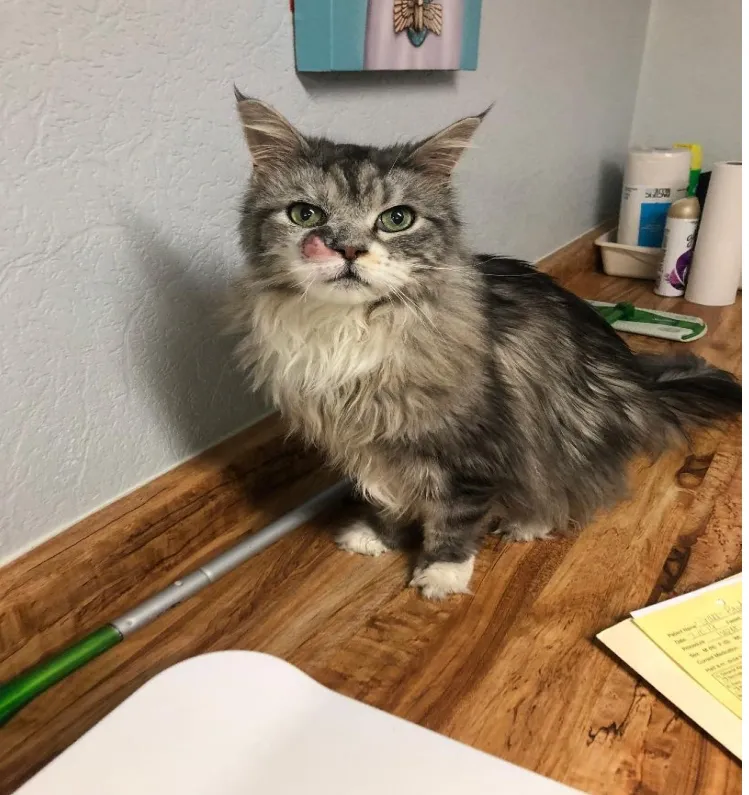
Case Study: Drake – 11 years old
After several attempts with chemotherapy, Drake’s pet parent traveled from Alaska to Vista Veterinary Hospital in Kennewick, WA to treat a spindle cell sarcoma on the right side of his face. The owner is a veterinarian and at 17 days following the IsoPet® treatment reported “There is a continuing decrease in the neoplastic mass. I suspect that some of the residual swelling is inflammatory in nature. The skin is intact, no ulceration or necrosis.”
“Therapy was effective” – Drake’s pet parent and veterinarian.
Conclusion
Cancer in cats is a serious concern, but with vigilant care, early detection, and appropriate treatment, many cats can lead fulfilling lives even after a cancer diagnosis. Regular veterinary visits, a healthy lifestyle, and being attentive to changes in your cat’s behavior and health are essential in the early detection of feline cancer. Understanding the factors that may contribute to a cancer diagnosis can help in taking the preventive measures necessary to reduce the risk of cancer and ensure that your beloved feline friend remains as healthy and happy as possible for years to come.