

As pet owners, we always want the best for our furry companions. One of the most challenging aspects of dog ownership is dealing with health issues, particularly cancer. Understanding which breeds are most susceptible to cancer and recognizing the early signs can make a significant difference in treatment outcomes and quality of life. This blog will focus on specific breeds prone to cancer, common types of cancer in dogs, symptoms to watch for, and preventative measures to help keep your pet healthy.
Why Some Breeds Are More Susceptible to Cancer
Certain dog breeds are more prone to developing cancer due to a combination of genetic, environmental, and lifestyle factors. Genetics play a significant role, with some breeds inheriting mutations that increase their cancer risk. For example, Golden Retrievers have a higher incidence of certain cancers due to genetic predispositions passed down through generations. Additionally, specific traits such as size, age, and reproductive history can influence susceptibility. Larger breeds, like Rottweilers, tend to have higher rates of bone cancer, possibly due to the stress their size places on their bones.
Environmental factors also play a crucial role. Dogs exposed to toxins, such as secondhand smoke, pesticides, and certain chemicals, have a higher risk of developing cancer. Moreover, lifestyle factors, including diet and exercise, significantly impact a dog’s overall health and immune system. Dogs with poor nutrition and sedentary lifestyles may have weaker immune systems, making them more susceptible to cancer and other diseases.

Breeds Most Susceptible to Cancer
The statistics on the prevalence of cancer in different dog breeds can vary based on the source and the specific type of cancer considered. However, certain breeds are generally recognized to have higher incidences of cancer. Here are the top five dog breeds that are commonly reported to have a higher risk of developing cancer.
1. Golden Retriever
Golden Retrievers are known for their friendly nature and intelligence, making them one of the most popular dog breeds. Golden Retrievers have a notably high cancer rate, with estimates suggesting that around 60% of Golden Retrievers will develop cancer in their lifetime. Common cancers include hemangiosarcoma, lymphoma, and osteosarcoma. Lymphoma affects the lymphatic system and can spread rapidly, while hemangiosarcoma is a malignant tumor of the blood vessels, often affecting the spleen and heart. These cancers can be aggressive and require prompt attention.
2. Boxer
Boxers are affectionate and energetic dogs, beloved for their playful nature. Unfortunately, they have a higher risk of developing mast cell tumors and lymphoma. Mast cell tumors can appear as skin lumps, which can be benign or malignant. Boxers are also at high risk for brain tumors. It is estimated that about 50% of Boxers will develop cancer. Regular veterinary check-ups are essential to monitor and manage these tumors.
3. Rottweiler
This breed is known for its loyalty and protective nature. However, Rottweilers have a higher incidence of osteosarcoma (bone cancer) and lymphoma. Osteosarcoma is particularly aggressive and often affects the limbs, leading to painful swelling and fractures. Early diagnosis and treatment are crucial for managing this condition. Lymphoma in Rottweilers affects the lymph nodes and other organs, requiring a comprehensive treatment approach. Approximately 40% to 45% of Rottweilers are estimated to develop cancer during their lives.
4. Bernese Mountain Dog
The Bernese Mountain Dog is a large, sturdy working breed originating from the Swiss Alps. They are gentle giants, renowned for their friendly and calm temperament, making them excellent family pets. This breed has a high incidence of histiocytic sarcoma, a type of cancer affecting the immune cells but they are also prone to other cancers such as lymphoma, mast cell tumors, and osteosarcoma. The cancer rate in Bernese Mountain Dogs is estimated to be around 50%.
5. German Shepherd
Renowned for their intelligence and versatility, German Shepherds are susceptible to hemangiosarcoma and mammary cancer. Hemangiosarcoma, as mentioned earlier, affects the blood vessels and often targets the spleen and heart. Mammary cancer, on the other hand, affects the mammary glands and is more common in unspayed females. Early spaying can significantly reduce the risk of mammary cancer in German Shepherds. The cancer rate for German Shepherds is estimated to be around 30%.
Common Types of Cancer in Dogs
Lymphoma
Lymphoma is one of the most common cancers in dogs and affects the lymphatic system, which is part of the immune system. It can involve various organs, including the lymph nodes, spleen, and liver. Lymphoma is particularly prevalent in breeds like Golden Retrievers and Boxers. Symptoms can include enlarged lymph nodes, weight loss, and lethargy. Treatment often involves chemotherapy, which can be effective in prolonging the dog’s life. Targeted radiation therapy such as IsoPet® may be effective if the cancer is caught early.
Hemangiosarcoma
Hemangiosarcoma is a malignant cancer of the blood vessels and is commonly found in the spleen and heart. It is highly aggressive and often goes undetected until it has reached an advanced stage. Breeds like Golden Retrievers and German Shepherds are particularly susceptible. Symptoms can include sudden collapse, pale gums, and abdominal swelling. Treatment typically involves surgery and chemotherapy, though the prognosis is often guarded.
Osteosarcoma
Osteosarcoma is a bone cancer that primarily affects large and giant breeds such as Rottweilers. It is characterized by painful swelling, usually in the limbs, and can lead to fractures. Early diagnosis and aggressive treatment, including surgery and chemotherapy, are essential for managing this cancer. Despite treatment, osteosarcoma is often fatal due to its aggressive nature.
Mast Cell Tumors
Mast cell tumors can develop anywhere on the body and are common in Boxers. These tumors arise from mast cells, which play a role in the immune response. Mast cell tumors can be benign or malignant and may appear as lumps or bumps on the skin. Treatment options include surgery, targeted radiation such as IsoPet® Precision Radionuclide Therapy™, and chemotherapy, depending on the tumor’s grade and location.

How You Can Help – Watch For Symptoms
Detecting cancer early can significantly improve treatment outcomes. Here are some common symptoms to be aware of:
Lumps and bumps: Any new growths or changes in existing lumps should be examined by a vet. Not all lumps are cancerous, but it is essential to have them checked to rule out malignancy. See our blog on lumps in pets at www.isopet.com
Unexplained weight loss: Sudden weight loss without changes in diet or activity can be a warning sign of cancer or other serious health issues.
Lethargy and loss of appetite: Changes in energy levels and eating habits can indicate underlying health issues, including cancer. Dogs with cancer may become less active and lose interest in food.
Difficulty breathing or coughing: Respiratory problems can be a sign of cancer affecting the lungs or heart. Persistent coughing, difficulty breathing, or wheezing should prompt a veterinary visit.
Changes in bathroom habits: Difficulty urinating, blood in the urine, or changes in stool can indicate cancer affecting the urinary or digestive systems. These symptoms should be promptly evaluated by a veterinarian.

How You Can Help – Preventative Measures
While not all cancers can be prevented, certain measures can help reduce the risk and catch any issues early:
Regular veterinary check-ups: Annual exams can help catch early signs of cancer and other health issues. Your vet can perform routine screenings and recommend additional tests if needed.
Maintaining a healthy diet and weight: Proper nutrition and weight management can boost overall health and immunity. Feeding your dog a balanced diet with appropriate portions can help maintain a healthy weight and reduce the risk of obesity-related cancers.
Avoiding known carcinogens: Keep your pet away from harmful substances like tobacco smoke, pesticides, and certain chemicals. Providing a clean and safe living environment is crucial for reducing cancer risk.
Spaying and neutering: These procedures can reduce the risk of certain cancers, including mammary and testicular cancer. Spaying female dogs before their first heat cycle can significantly decrease the risk of mammary cancer.
Early detection and screening: Regular screenings, especially for high-risk breeds, can catch cancer early when it’s most treatable. Discuss with your vet the appropriate age to start cancer screenings and the types of tests that may be beneficial for your dog.
How You Can Help – The Role of Diet and Nutrition in Cancer Prevention
Diet plays a critical role in the overall health and cancer prevention in dogs. A balanced diet rich in essential nutrients supports the immune system and overall well-being. Here are some dietary considerations to help reduce cancer risk in dogs:
High-Quality Protein: Protein is essential for repairing tissues and supporting the immune system. Choose high-quality sources like chicken, fish, and lamb.
Antioxidants: Foods rich in antioxidants, such as blueberries, spinach, and carrots, help combat oxidative stress and free radicals, which can contribute to cancer development.
Omega-3 Fatty Acids: Found in fish oil and flaxseed, omega-3 fatty acids have anti-inflammatory properties that can support immune health and reduce the risk of cancer.
Avoiding Carcinogens: Certain foods and additives can be harmful. Avoid giving dogs processed foods, artificial preservatives, and by-products that can contain carcinogens.

How You Can Help – Holistic and Integrative Approaches
In addition to conventional treatments, some pet owners explore holistic and integrative therapies to support their dog’s health and well-being. These approaches can complement traditional treatments and help improve the quality of life for dogs with cancer:
Acupuncture: This traditional Chinese medicine technique can help manage pain and improve overall well-being in dogs undergoing cancer treatment.
Herbal Supplements: Certain herbs and natural supplements, like turmeric and milk thistle, have anti-inflammatory and antioxidant properties that can support cancer treatment and recovery.
Massage Therapy: Therapeutic massage can help reduce stress and improve circulation, benefiting dogs undergoing cancer treatment. Massaging your dog is a great bonding activity as well!
Dietary Adjustments: A holistic approach often involves tailoring the dog’s diet to include cancer-fighting foods and supplements, focusing on whole, unprocessed ingredients.

How You Can Help – The Importance of Early Detection and Screening
Early detection is crucial for successfully treating cancer in dogs. Regular veterinary visits, even when your pet appears healthy, can catch early signs of illness that might not be visible to the naked eye. Here are some screening methods and diagnostic tools that vets use to detect cancer early:
Routine Blood Work: Regular blood tests can reveal abnormalities that might indicate the presence of cancer. Blood work can show changes in white blood cell counts, liver and kidney function, and other vital health indicators.
X-rays and Ultrasounds: Imaging techniques like x-rays and ultrasounds help detect tumors and abnormalities inside the body that might not be noticeable from an external exam.
Fine Needle Aspiration: This minimally invasive procedure involves using a thin needle to take a small sample of cells from a lump or mass for microscopic examination.
Advanced Imaging: CT scans and MRIs provide detailed images of internal structures, helping to identify the exact size and location of tumors.
Genetic Testing: For some breeds known to be genetically predisposed to cancer, genetic testing can identify mutations that increase cancer risk, allowing for earlier and more targeted screening.
How You Can Help – Visit Your Vet Regularly
Modern veterinary medicine offers various diagnostic and treatment options to manage cancer in dogs. Early diagnosis is critical for effective treatment and can significantly improve the prognosis for affected dogs.
Treatment Options:
- Surgery: Surgical removal of tumors is often the first line of treatment for many types of cancer. Surgery can be curative for localized tumors that have not spread.
- Chemotherapy: Chemotherapy uses drugs to kill cancer cells or slow their growth. It is commonly used for cancers like lymphoma and can be administered orally, intravenously, or as an injection. While effective the side effects such fatigue, diarrhea, nausea, to secondary infections and organ toxicity may last months or years.
- External Beam Radiation Therapy: Radiation therapy uses high-energy rays to target and kill cancer cells. It is often used for tumors that cannot be surgically removed or in combination with surgery and chemotherapy. The side effects with this type of treatment may last months or even years.
- Targeted Radiation Therapy such as IsoPet® Precision Radionuclide Therapy™ is an advanced treatment modality to manage and treat various cancers in animals. This therapy uses highly localized radiation to destroy cancerous tumors by placing a radioactive isotope directly inside the treatment area. IsoPet® delivers therapeutic radiation from within the tumor without the associated side effects of mainstream cancer treatments.
- Immunotherapy: This treatment boosts the dog’s immune system to help it fight cancer more effectively. Immunotherapy is an emerging field in veterinary oncology with promising results in certain cases.
- Palliative Care: For dogs with advanced cancer, palliative care focuses on providing relief from symptoms and improving quality of life. This may include pain management, nutritional support, and other therapies to keep the pet comfortable.
An IsoPet® Case Study and Success Story – Maxximus
Understanding the journey of other pet owners can be both inspiring and educational. Here is a case study that highlight the impact of early detection and treatment in dogs diagnosed with cancer:
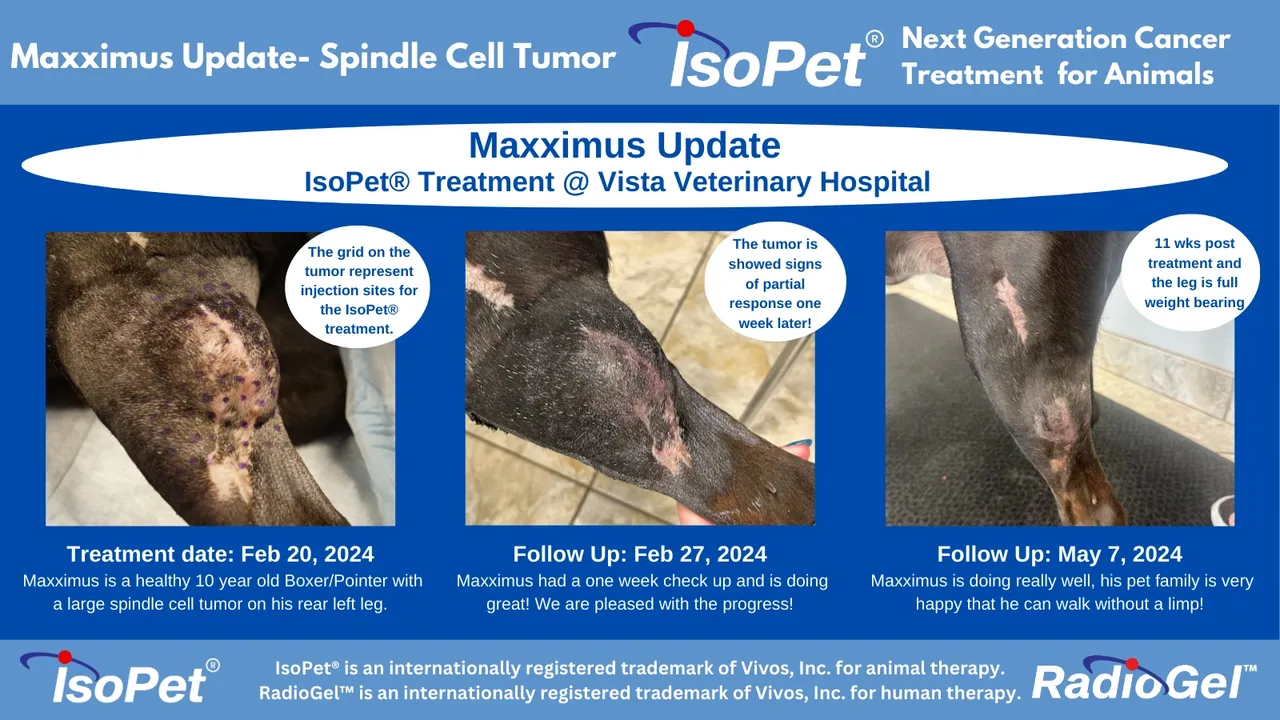
Maxximus the Boxer/Pointer:
Maxximus is a 10 year-old Boxer/Pointer diagnosed with a spindle cell tumor on his rear left leg. Spindle cell sarcoma is a rare bone cancer that most often affects the long bones in the arms and legs. Tumors usually form in the thigh bone, shin bone or upper arm. Bone pain, bones that break easily, fatigue and feeling generally unwell are all symptoms of this cancer. Maxximus was taken to Vista Veterinary and was given IsoPet® Precision Radionuclide Therapy™ and after one week the tumor showed signs of response and was reducing in size. At his 11 week check up Maxximus was bearing weight on his leg again. His owners are thrilled!
Visit our website at https://isopet.com/case-studies-pet-patients read more case studies

Emotional and Practical Support for Pet Owners
Dealing with a pet’s cancer diagnosis can be emotionally and financially challenging. Here are some tips for pet owners navigating this difficult journey:
Emotional Support: Reach out to support groups, both online and in-person, where you can share experiences and gain advice from others who have faced similar challenges.
Financial Assistance: Cancer treatment can be costly. Look into pet insurance plans that cover cancer treatments, or explore organizations that provide financial assistance for pet medical care. Read our blog on pet insurance at www.IsoPet.com
Educate Yourself: Understanding your dog’s diagnosis and treatment options can help you make informed decisions. Don’t hesitate to ask your vet questions and seek second opinions if necessary.
Plan for the Future: Discussing and preparing for all possible outcomes, including end-of-life care, can provide clarity and peace of mind during a difficult time.
Conclusion
Understanding which dog breeds are more susceptible to cancer and knowing the signs to watch for can help pet owners take proactive steps in maintaining their pet’s health. Regular check-ups, a healthy lifestyle, and early detection are crucial in managing and preventing cancer in dogs. By staying informed and vigilant, you can help ensure a longer, healthier life for your beloved canine companion.
It’s essential to remember that while certain breeds may be more prone to cancer, every dog is unique. Regular veterinary care, a balanced diet, and a loving environment are the best ways to support your dog’s health and well-being. If you ever suspect something is wrong, don’t hesitate to consult your veterinarian. Early intervention can make all the difference in your pet’s quality of life and longevity.
Sources:
American Veterinary Medical Association (AVMA)
Veterinary Cancer Society