
Post Cancer Care: Ensuring a Healthy Recovery for Your Pet
Cancer treatment for pets, much like for humans, is a physically and emotionally challenging process. When your beloved furry friend has completed their treatment, the journey to recovery begins. This period is crucial, as your pet will need special care and attention to regain strength, manage any side effects, and maintain their quality of life. In this article we’ll explore the steps you can take to ensure your pet receives the best possible care after cancer treatment.
Understanding Post-Treatment Care
The first step in caring for your pet after cancer treatment is understanding what they have been through and what they might need during recovery. Whether your pet has undergone surgery, chemotherapy, radiation therapy, or a combination of treatments, their body will need time to heal and adjust. Post-treatment care is vital in preventing complications, managing side effects, and ensuring your pet’s comfort.
Managing Physical Recovery
- Monitoring for Side Effects
After cancer treatment, your pet may experience side effects such as fatigue, nausea, loss of appetite, or discomfort at the site of surgery. It’s essential to closely monitor your pet for these symptoms and communicate with your veterinarian about any concerns. Side effects can vary depending on the type of treatment your pet received, so keep an eye out for any unusual behaviors or physical changes.
- Proper Wound Care
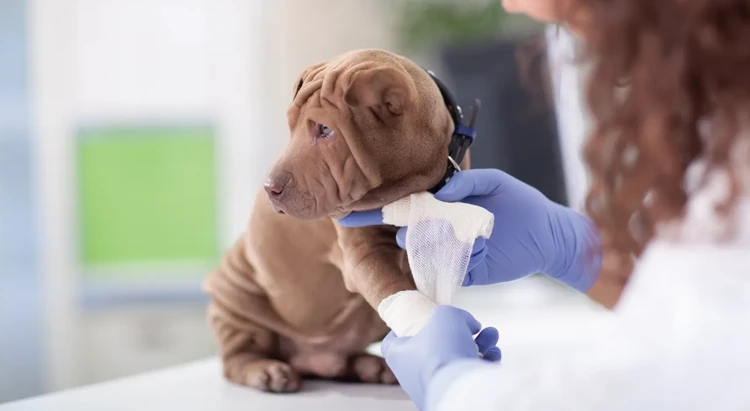
If your pet underwent surgery, proper wound care is crucial to prevent infections and promote healing. Follow your veterinarian’s instructions for cleaning the wound, and ensure your pet doesn’t lick or scratch the area. You may need to use a cone or protective clothing to prevent your pet from interfering with the wound.
- Pain Management
Pain management is an integral part of post-cancer care. Your veterinarian may prescribe pain medication or recommend alternative therapies such as acupuncture or physical therapy. Always administer pain medication as directed and watch for any signs that your pet is in pain, such as whining, limping, or restlessness.
- Gradual Reintroduction of Exercise
While it’s essential for your pet to regain strength, you should reintroduce exercise gradually. Start with short walks or light play sessions, and gradually increase the duration and intensity as your pet’s stamina improves. Exercise helps maintain muscle tone, improves mood, and promotes overall well-being.

Nutritional Support
- Adjusting Diet Post-Treatment
Nutrition plays a vital role in your pet’s recovery. Your pet may have specific dietary needs after treatment, so consult your veterinarian about the best diet plan. Some pets may require a special diet to support immune function or to prevent weight loss, while others might need a diet that’s easier on the digestive system.
- Encouraging Appetite
Loss of appetite is common after cancer treatment, but it’s crucial to ensure your pet is eating enough to support their recovery. If your pet is reluctant to eat, try offering small, frequent meals or adding a bit of warm water or low-sodium broth to their food to make it more appealing. In some cases, your veterinarian might recommend appetite stimulants.
- Supplementation
Your vet may recommend supplements to support your pet’s recovery. Omega-3 fatty acids, for example, have anti-inflammatory properties and can promote healing, while probiotics can support digestive health. Always discuss any supplements with your vet before starting them.
Emotional and Psychological Support
- Providing a Comfortable Environment
After cancer treatment, your pet may feel more vulnerable and anxious. Providing a quiet, comfortable space where they can rest is essential. Ensure their bed is soft and warm, and place it in a location where they can rest undisturbed but still feel part of the family.
- Maintaining Routine
Pets thrive on routine, and sticking to a consistent schedule can help them feel more secure during recovery. Try to maintain regular feeding, exercise, and playtimes, and avoid making significant changes to their environment.
- Giving Extra Attention and Love
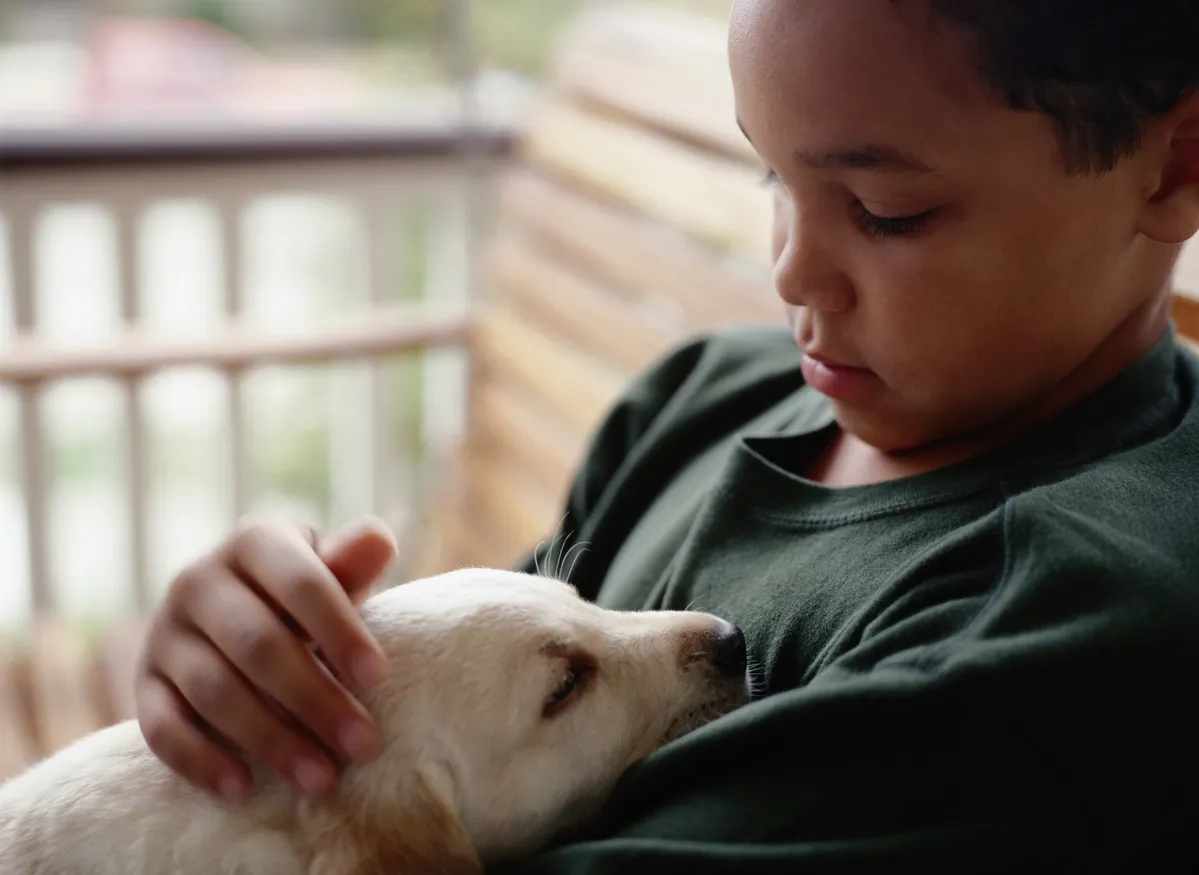
Your pet has been through a lot, and they may need extra affection and reassurance during recovery. Spend quality time with your pet, whether through gentle petting, talking to them in soothing tones, or simply sitting close by. Your presence can be very comforting.
- Watching for Signs of Depression or Anxiety
Just like humans, pets can experience emotional distress after a serious illness. Watch for signs of depression or anxiety, such as withdrawal, changes in behavior, or excessive clinginess. If you notice these signs, talk to your veterinarian, who may suggest behavioral therapy or medications to help.
Regular Veterinary Check-Ups
- Follow-Up Appointments
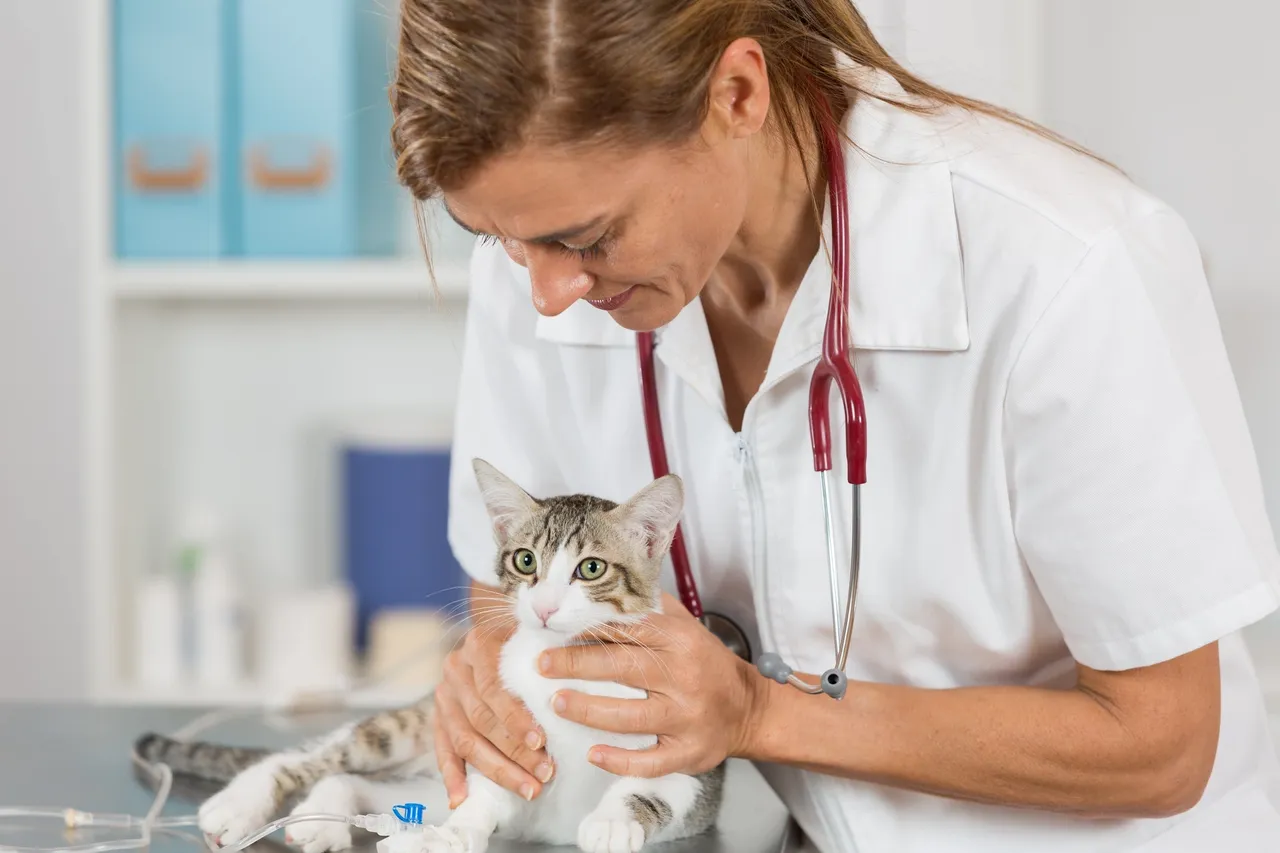
Regular follow-up appointments with your veterinarian are crucial after cancer treatment. These visits allow your vet to monitor your pet’s recovery, manage any lingering side effects, and check for signs of recurrence. It’s essential to keep all scheduled appointments and report any new symptoms or concerns promptly.
- Long-Term Health Monitoring
Even after your pet has recovered from cancer, ongoing health monitoring is necessary. Your vet may recommend periodic blood tests, imaging studies, or other diagnostics to ensure your pet remains healthy. Early detection of any issues is key to managing them effectively.

Preventing Recurrence and Promoting Longevity
- Vigilant Observation
While you can’t control whether cancer returns, being vigilant about your pet’s health can help catch any signs of recurrence early. Watch for lumps, bumps, or any changes in behavior or appetite, and report these to your vet immediately.
- Maintaining a Healthy Lifestyle
Promote your pet’s long-term health by maintaining a healthy lifestyle. Ensure they get regular exercise, eat a balanced diet, and stay up-to-date on vaccinations and parasite prevention. Keeping your pet’s weight in check is also crucial, as obesity can lead to other health issues.
- Alternative and Complementary Therapies
Some pet owners explore alternative therapies, such as herbal supplements, acupuncture, or homeopathy, to support their pet’s health after cancer treatment. While some of these therapies can be beneficial, it’s essential to discuss them with your veterinarian to ensure they are safe and appropriate for your pet.

Supporting Yourself as a Pet Owner
- Dealing with Your Own Emotions
Caring for a pet with cancer can be emotionally draining, and it’s normal to feel a range of emotions during the post-treatment period. Don’t hesitate to seek support, whether through friends, family, or a pet support group. Taking care of your mental health is crucial for both you and your pet.
- Celebrating Milestones
Every step your pet takes toward recovery is a victory worth celebrating. Whether it’s completing a round of treatment, reaching a health milestone, or simply enjoying a good day, take time to acknowledge these moments. Celebrating these achievements can help maintain a positive outlook during the recovery process.
Caring for a pet after cancer treatment requires patience, dedication, and a lot of love. By understanding their needs, providing proper physical and emotional support, and maintaining close communication with your veterinarian, you can help your pet recover and enjoy a happy, healthy life. Remember, every pet’s journey is unique, so stay attuned to their individual needs and cherish the time you spend together.