
This article aims to provide pet owners with the knowledge they need to approach the discovery of lumps and bumps on their pets with calm and informed action.
Discovering a lump or bump on your beloved dog, cat or horse can be a heart-stopping moment for any pet owner. The sudden surge of worry if the lump is cancer is natural, as these anomalies can range from harmless cosmetic issues to signs of a more serious health condition.
However, it’s important to approach this concern with a level of understanding and knowledge. Recognizing the various types of lumps and bumps, understanding their potential causes, and knowing when to seek veterinary advice are crucial steps in ensuring the health and wellbeing of your furry friend. This article aims to demystify the common lumps and bumps on pets, offering guidance on identification, initial steps, and when to consult a professional.
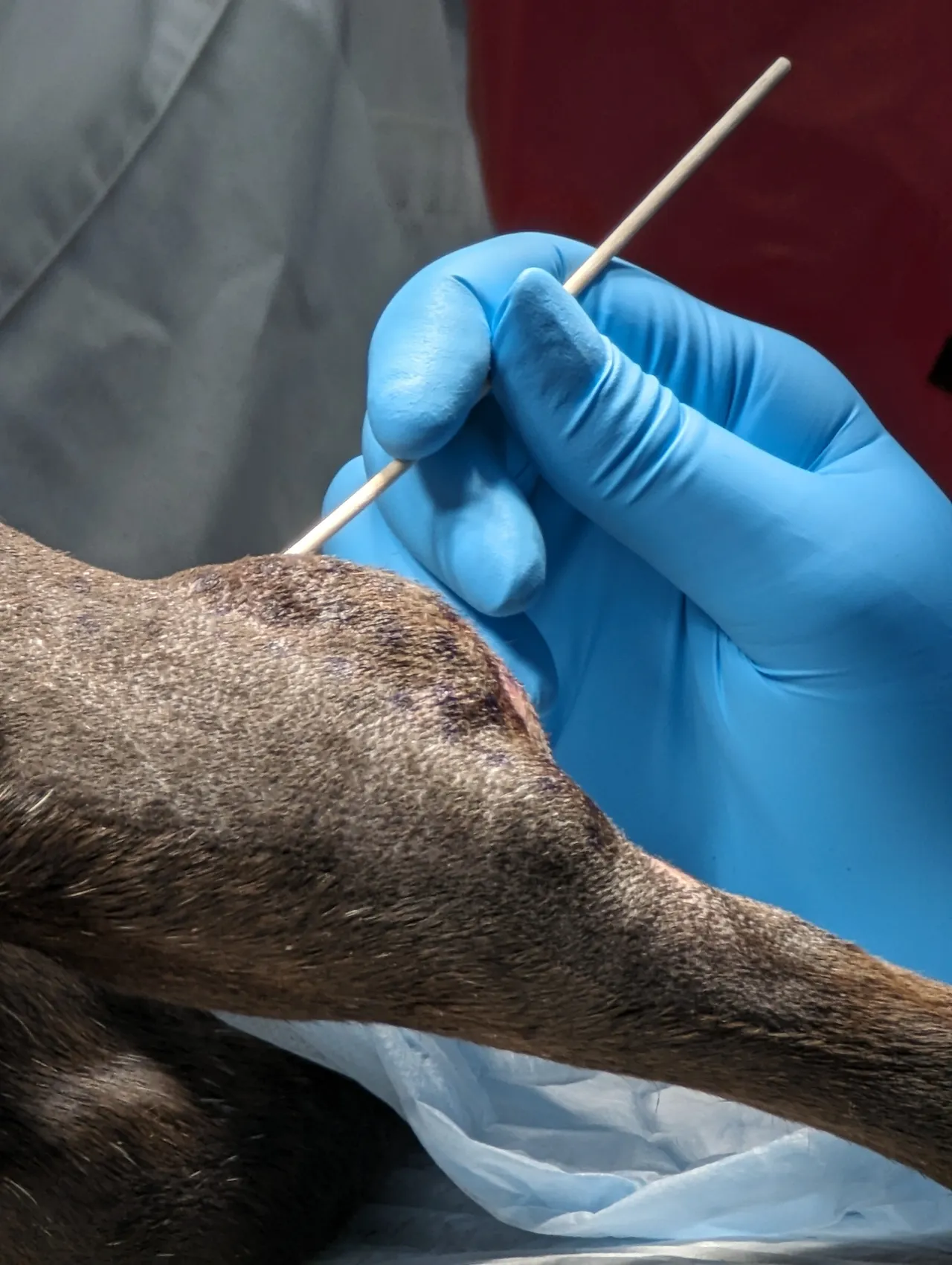
Common Types of Lumps and Bumps
Pets, much like their pet parents, can develop a variety of skin and subcutaneous (under the skin) conditions that result in lumps, bumps, or growths. Here’s an overview of the most common types:
Cysts: These are fluid-filled sacs that can appear anywhere on the pet’s body. Cysts can result from blockages of oil glands or ducts. While generally not harmful, they can become infected or uncomfortable if they grow large.
Lipomas: A frequent find in older pets, lipomas are benign tumors made up of fat cells. They are typically soft, movable, and located just under the skin. Lipomas are usually not a cause for concern unless they restrict movement or become bothersome to the pet.
Warts: Caused by viruses, warts are more common in younger animals or those with weakened immune systems. They appear as small, rough growths on the skin or mucous membranes. Most warts will eventually go away on their own, but some may require removal if they cause discomfort or bleeding.
Abscesses: These are painful, pus-filled lumps that result from infections, often caused by bites or scratches. Abscesses require prompt veterinary attention to drain and treat the infection.
Tumors: Tumors can be benign (non-cancerous) or malignant (cancerous) and require a veterinarian’s diagnosis. They vary greatly in appearance and can grow anywhere on the body. Early detection and evaluation are key to managing tumors.
Understanding these common conditions can help pet owners respond appropriately if they notice a lump or bump on their pet. However, it’s crucial to consult a veterinarian for an accurate diagnosis and appropriate treatment plan.

Initial Steps and Observation of Your Pet’s Lump
Finding a lump on your pet can be unsettling, but the first step is to calmly assess the situation. Here’s what you can do initially:
Document and Monitor: Note the size, shape, color, and exact location of the lump or bump in your pet. If possible, take a photo of the lump for your records. This documentation will be invaluable to your veterinarian for monitoring any changes over time.
Gentle Examination: Without causing discomfort to your pet, gently palpate the area around the lump to gauge if it’s movable, hard, or if it seems to cause pain.
Observe for Additional Symptoms: Look for any signs of illness in your pet, such as changes in appetite, behavior, or energy levels, which could indicate a more serious underlying issue.
The key during this phase is observation. Changes in your pet’s lump’s size, shape, or color, as well as any new symptoms in your pet, should prompt a visit to the veterinarian.
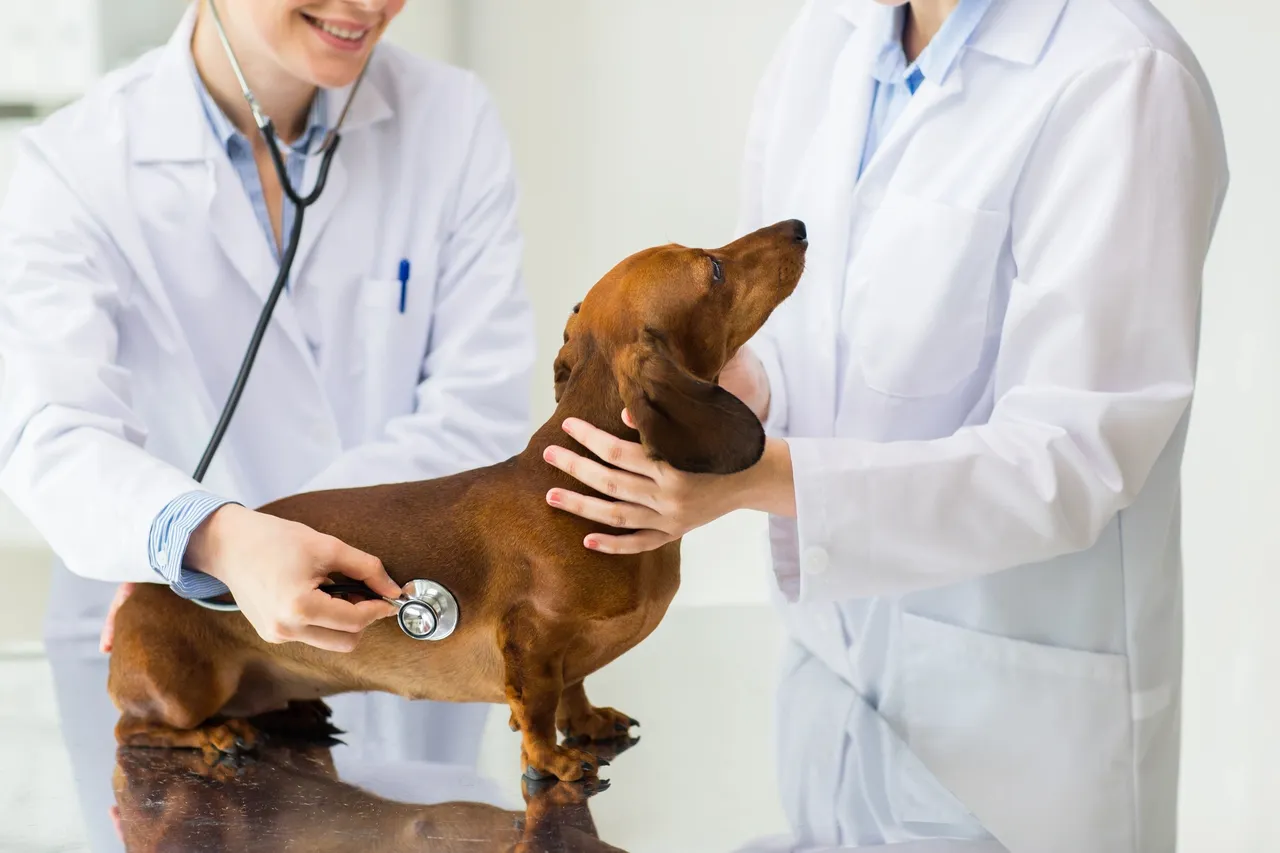
When to Visit the Veterinarian
While some lumps and bumps are benign and may not require immediate medical intervention, certain signs should alert you to seek veterinary advice sooner rather than later:
Rapid Growth: A lump that grows quickly over days or weeks.
Change in Color or Texture: Any changes in the lump’s appearance or texture.
Pain or Discomfort: If the lump seems to cause pain, itching, or discomfort to your pet.
Signs of Infection: Redness, warmth, oozing, or other signs that suggest an infection.
Interference with Function: Lumps that affect your pet’s movement, eating, breathing, or other bodily functions.
During your visit, the veterinarian may conduct a physical examination, followed by diagnostic tests such as a fine needle aspirate, biopsy, or imaging studies. These tests are crucial for determining the nature of your pet’s lump and deciding on the appropriate treatment plan.
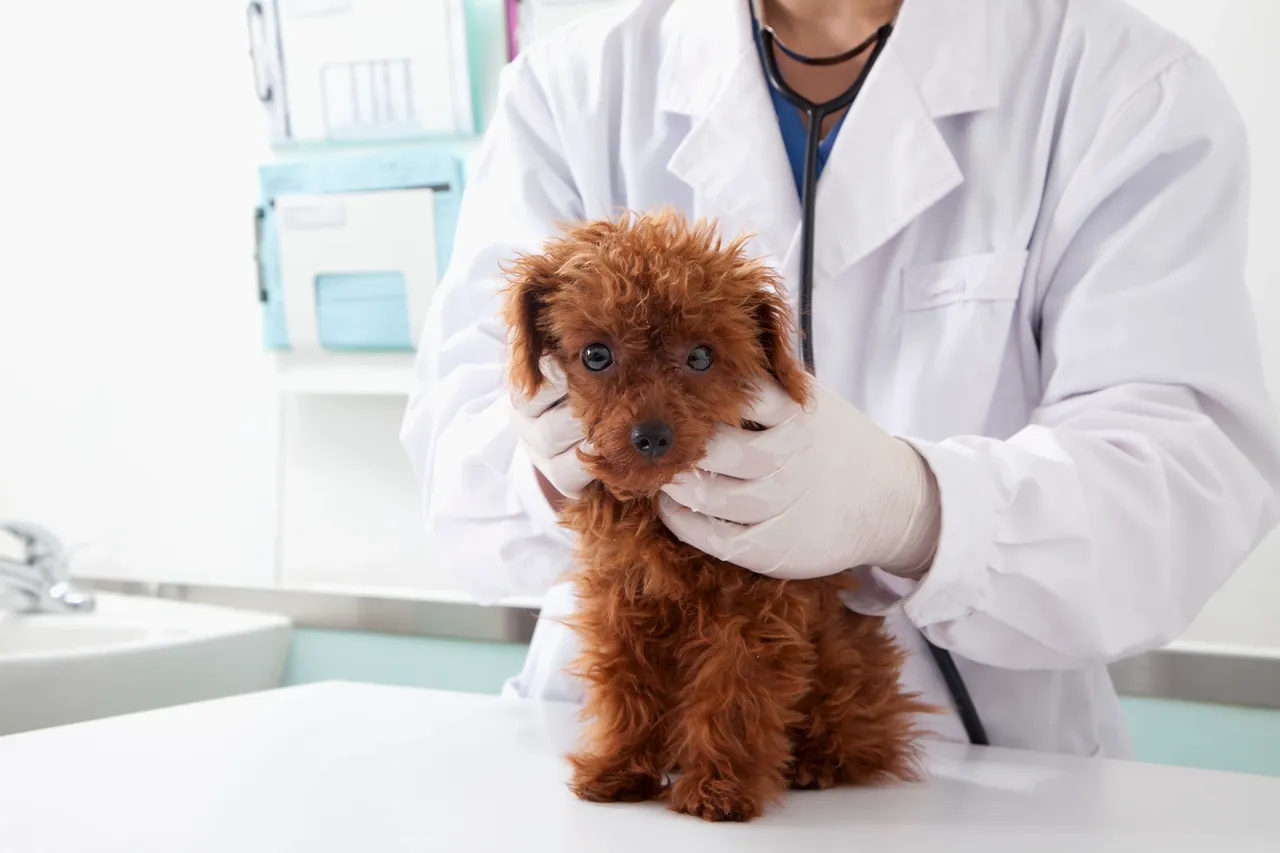
Treatment Options and Management for Pet Lumps
The course of treatment for lumps and bumps on pets varies widely depending on the diagnosis. Options may include:
Monitoring: Some lumps, particularly benign ones like lipomas, may just require regular monitoring for any changes in size or shape.
Medication: In cases of infection or inflammation, your veterinarian may prescribe antibiotics or anti-inflammatory drugs.
Surgery: Surgical removal may be recommended for lumps that are growing, causing discomfort, or suspected to be malignant.
Other Treatments: For certain types of tumors, additional treatments such as chemotherapy or radiation therapy may be considered.
New Generation Treatments: Non-invasive treatment such as IsoPet® Precision Radionuclide Therapy™ (PRnT) may be an option for killing a cancerous tumor without adverse side effects to the surrounding tissues. IsoPet® is available in 7 regional clinics across the USA.
As a pet owner, your role in managing your pet’s condition post-diagnosis is critical. This may involve administering medication, caring for surgical sites, or making regular vet visits for follow-up care.

Prevention and Regular Health Checks
While not all lumps and bumps in dogs, cats and horses can be prevented, maintaining a healthy lifestyle for your pet can help minimize risks. This includes:
- Daily regular exercise
- Maintaining a balanced diet for your pet
- Keeping up with vaccinations and parasite control
- Regular vet check-ups are vital for early detection and management of potential health issues of your pet.
Conclusion
Discovering a lump on your cat, dog or horse can indeed be worrying, but understanding the common types of lumps, knowing when to seek veterinary advice, and being aware of the treatment options can help you navigate this challenge with confidence. Remember, many pet lumps and bumps are treatable, and with prompt and appropriate care, your pet can continue to lead a happy and healthy life.