
IsoPet® and Sarcoids – Equine Skin Cancer
Sarcoid cancer, commonly known as equine sarcoids, represents a significant concern in veterinary medicine, specifically for horse owners and caretakers. These tumors, although typically non-metastatic (they do not spread to other parts of the body), can cause considerable discomfort and complications for affected horses. This article touches on what equine sarcoids are, the symptoms, new innovative treatment options, and preventative measures.
Sarcoids affect all members of the equid family worldwide; this includes horses, mules, donkeys, zebras, and more. It has several implications, and is a form of skin cancer. Sarcoids can occur almost anywhere on the skin, although there are some regions that are more liable to their development.
What are Equine Sarcoids?
Equine sarcoids are skin tumors that are among the most common types of skin cancer in horses. They vary widely in appearance and behavior but are generally caused by bovine papillomavirus (BPV), which horses may contract through contact with infected cattle or indirectly via common environments or tools. Sarcoids can affect any area of a horse’s body, but they are most commonly found around the eyes, head, abdomen, and legs. Sites where the skin is thin or has little hair, broken skin with open wounds that attract flies are areas to watch out for.
Symptoms of Equine Sarcoids
The presentation of sarcoids can vary and a horse may have one or more types present at one time, but they typically manifest as one of several types:
- Nodular: These are firm, round nodules under the skin, one or more may be present and are often covered by normal or slightly thickened skin.
- Verrucous (warty): These have a rough, wart-like surface and may look like a cauliflower. Generally slow growing and sometimes are mistaken for scars.
- Fibroblastic: These aggressive sarcoids resemble proud flesh, with a raw, fleshy appearance, often found at sites of previous injury. This sarcoid often attracts flies in warm weather and can grow rapidly.
- Occult: These appear as flat, hairless patches that can be mistaken for rubs or scars. The least aggressive of the sarcoids.
- Mixed: Combines features of two or more of the other types.
Recognizing these signs early can help in managing the condition more effectively.
Treatment Options
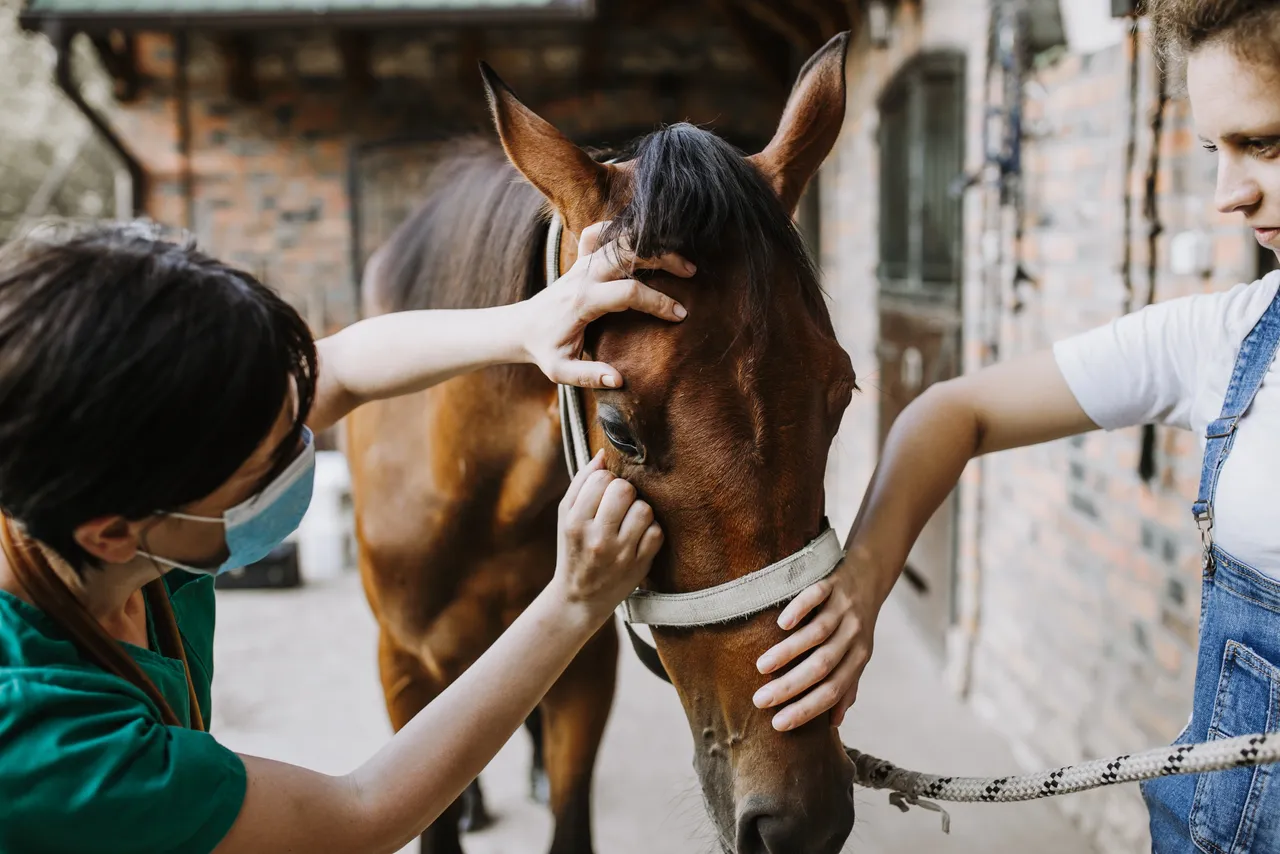
Treatment options vary depending on the sarcoid’s type, location, and severity and each case is evaluated individually by your local veterinarian and may require travel to a clinic qualified to care for equine sarcoids such as a certified IsoPet® clinic. Common treatment options include:
- Surgical Removal: Effective for accessible tumors with well-defined boundaries.
- Cryotherapy: Freezing the sarcoid to kill the tissue, suitable for smaller nodules.
- Laser Therapy: Useful for precise removal with minimal damage to surrounding tissues.
- Topical Treatments: Includes the application of presciption creams like to help stimulate the immune system to attack the sarcoid cells.
- External Beam Radiation Therapy: Involves using high energy radiation beams directed at the tumor from outside the body. The side effects could last months or longer.
- Radionuclide treatment: An innovative option for managing equine sarcoids that involves using a highly localized radiation to destroy cancerous tumors from the inside out. IsoPet® Precision Radionuclide Therapy™ is a patented cancer treatment offered in clinics across the USA.
IsoPet® and Precision Radionuclide Therapy™
Given the specific and localized nature of equine sarcoids, radionuclide therapy can be particularly effective because it delivers a high dose of radiation directly to the tumor while minimizing exposure to surrounding healthy tissue. IsoPet® uses highly localized radiation to kill cancerous tumors by placing a safe dose of radioactive isotope directly inside the tumor. This allows safe delivery of higher doses needed for treating both non-resectable and radiation resistant cancers.
- Precision: The treatment targets only the sarcoid, which helps protect the surrounding healthy tissues from radiation damage.
- Effectiveness: It delivers a high dose of radiation in a concentrated area, which can be more effective at destroying all tumor cells.
- Convenience: Usually requires one treatment session compared to other forms of radiation therapy which may require weeks of radiation therapy.
- Reduced Recurrence: Preliminary studies and clinical reports suggest a lower rate of recurrence when compared to some surgical methods.
The Steps to Treating Equine Sarcoids with IsoPet®
- Diagnosis and Planning: The first step involves contacting your veterinarian for an assessment which could include detailed analysis and imaging studies, such as MRI or CT scans, to determine the exact size and depth of the sarcoid. This information is crucial for planning the treatment. You may be referred to the nearest IsoPet® certified clinic for further assessment.
- Application: IsoPet® Precision Radionuclide Therapy™ is administered directly into the tumor by continuous injections as the needle is withdrawn without harm to the surrounding tissues or organs. IsoPet® delivers 90% of its therapeutic radiation within 10 days of a single treatment and depending on the type and location of the sarcoid the side effects are minimal, if any, after the treatment.
- Treatment Duration: The radiation is typically delivered via syringe within one hour, depending on the size of the sarcoid. IsoPet® is performed as an outpatient procedure and your horse may return home without concern for radiation exposure in urine or feces.
- Follow-Up: After treatment, follow-up appointments are essential to monitor the site of the sarcoid for signs of regression and to check for any potential side effects.
Considerations and Limitations
- Availability: This treatment might not be readily available in all areas and may require travel to a certified IsoPet® veterinary hospital equipped with the necessary facilities. IsoPet® currently has regional clinics certified across the United States. You may find the list of clinics at www.IsoPet.com/regionalclinics
- Cost: Radionuclide Therapy may be more expensive than some other treatments due to the specialized equipment and expertise required. Early detection is the key to managing cancer, the sooner the tumor is treated the less IsoPet® Radionuclide Therapy™ is required, thus reducing the cost of the procedure.
- Side Effects: Possible side effects of a targeted radionuclide treatment is far less than traditional external beam radiation where the side effects could last months or longer. The most common side effect is minimal localized skin inflammation for a short time.
- Recurrence: While greatly reduced with radionuclide therapy, there is still a possibility of sarcoid recurrence, which necessitates ongoing observation by your trusted veterinarian.
Preventative Measures
Preventative strategies revolve around minimizing the risk factors associated with the transmission of bovine papillomavirus (BPV). Measures include:
- Hygiene: Regular cleaning of equipment and avoiding shared use of tack and grooming tools between horses.
- Isolation of Affected Horses: Preventing contact with unaffected horses, especially if the sarcoids are in a phase where they might spread the virus.
- Regular Veterinary Check-ups: Early detection can lead to more effective management and potentially less invasive treatment options.
Conclusion
While equine sarcoids can be a challenging condition to manage, understanding the types, recognizing the symptoms early, and adopting appropriate treatment and preventive measures can significantly enhance the quality of life of affected horses. Horse owners should work closely with equine veterinarians to develop a tailored approach for managing this complex condition.
Radionuclide treatment and IsoPet® Precision Radionuclide Therapy™ represent a promising approach to treating equine sarcoids, offering benefits in terms of precision and efficacy. Horse owners considering this option should consult with a veterinarian to thoroughly understand the process of radionuclide treatment over other treatment options. It’s important to weigh these factors carefully to make the best decision for the welfare of your horse.