

Equine cancer, although not as widely discussed as cancers in humans or other companion animals, poses significant health challenges to horses. Among the various types of cancers that affect horses, solid tumors are particularly notable. These tumors, which form as a mass of abnormal cells, can be found in various parts of the equine body and can significantly impact a horse’s quality of life. Fortunately, advancements in veterinary medicine have introduced a safer, more effective targeted radiation therapy, such IsoPet® Precision Radionuclide Therapy™ as a promising treatment option. This blog delves into the most common types of equine solid tumors and explores the role of targeted radiation in their treatment.
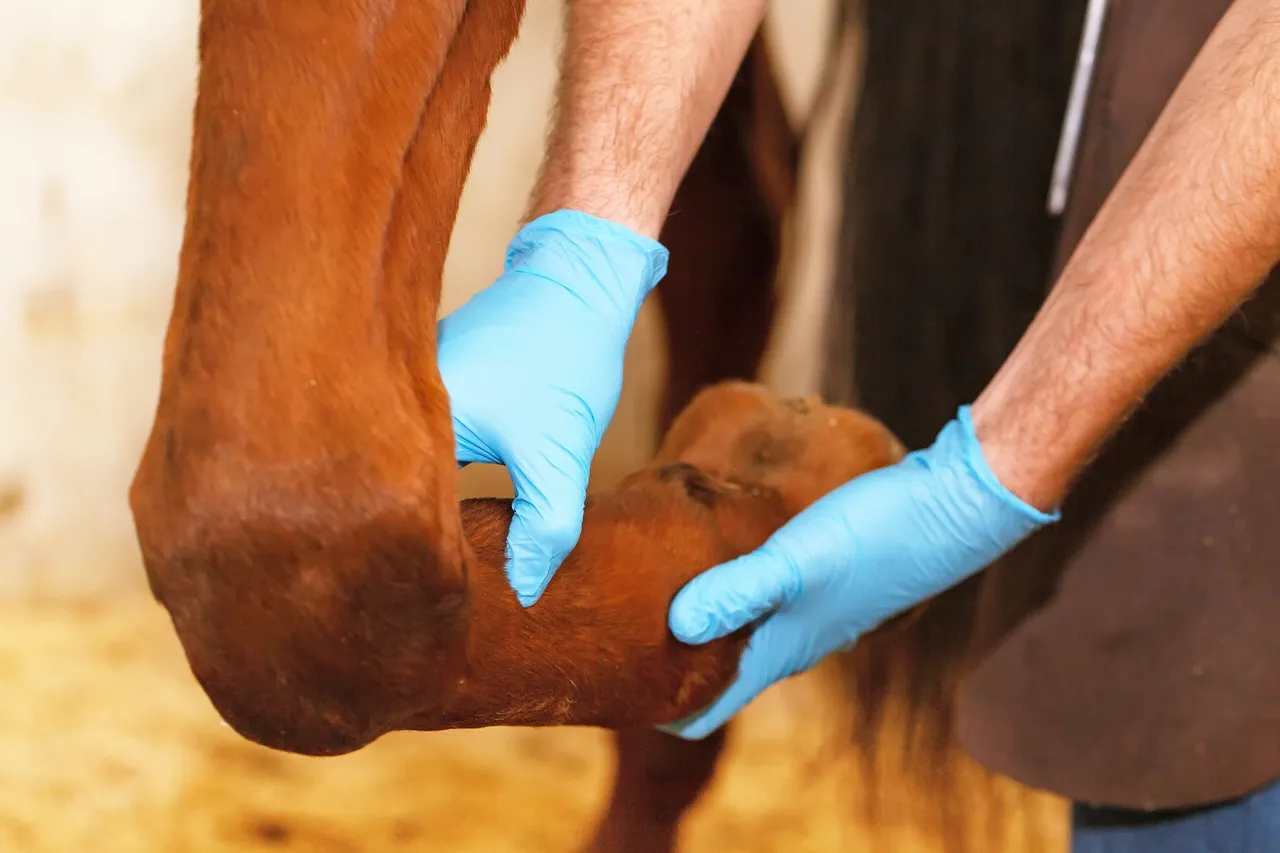
The Top 3 Common Types of Equine Solid Tumors
1. Equine Sarcoids
Equine Sarcoids are the most common type of skin tumor in horses. These tumors are locally invasive and rarely metastasize, but they can be challenging to treat because of their tendency to recur with traditional methods of cancer treatment such as surgery or external beam radiation. Sarcoids can appear in various forms, including nodular, verrucous, or fibroblastic, and they often develop in areas where horses have experienced previous injuries or scars. IsoPet® is a great option for sarcoids as they are generally solid in nature and, when detected early, can be treated effectively with a single treatment.
Symptoms and Diagnosis of Sarcoids
– Visible skin growths, which may be ulcerated or warty in appearance.
– Lesions that are slow-growing but persistent.
Diagnosis typically involves a biopsy to confirm the tumor type, as sarcoids can resemble other skin conditions.
Treating Sarcoids
For sarcoids, especially those that are recurrent or located in difficult-to-treat areas, targeted radiation therapy offers a non-invasive alternative to surgical excision. Precision Radionuclide Therapy™, a form of radiation where radioactive isotopes are placed directly within the tumor, is particularly effective.
Benefits of Targeted Radiation for Sarcoids
– Minimally invasive with a low recurrence rate.
– Effective for treating sarcoids in sensitive areas like the periocular region.

2. Equine Squamous Cell Carcinoma
Equine Squamous Cell Carcinoma (SCC) is a malignant tumor that arises from squamous epithelial cells, commonly found in areas exposed to sunlight, such as the eyes, genitalia, and skin. SCC is known for its aggressive nature and potential to metastasize to nearby lymph nodes. These tumors need to be detected early for the best treatment outcome and regularly checking your horse for unusual changes in their coat is recommended.
Symptoms and Diagnosis of Squamous Cell Carcinoma
– Look for lesions on your horse that are ulcerated, bleeding, or non-healing.
– Growths around your horse’s eyes, mouth, or genitalia that are painful or cause discomfort.
Diagnosis involves cytology or histopathology to differentiate SCC from other neoplastic conditions.
Treating Equine Squamous Cell Carcinoma
Targeted radiation therapy is highly effective for SCC, particularly in cases where surgical removal for a horse is not feasible due to the tumor’s location. IsoPet® Precision Radionuclide Therapy™ (PRnT™) is a safer alternative to surgery and delivers high doses of precise radiation doses to the affected area with minimal, if any, damage to surrounding tissue and none of the side effects commonly caused by external beam radiation.
Benefits of Targeted Radiation for Squamous Cell Carcinoma
– Preservation of surrounding structures, crucial for tumors around the horse’s eyes and genitalia.
– Reduced pain and improved quality of life for affected horses.

3. Equine Melanoma
Equine melanomas are common in gray horses and can be either benign or malignant. These tumors typically appear as dark, pigmented nodules and are most commonly found in areas like the horse’s tail base, perineum, and lips.
Symptoms and Diagnosis
– Dark, raised nodules on the skin of your horse.
– Potential for internal spread, particularly to the lungs or other organs.
Diagnosis often involves a physical examination of your horse and biopsy to determine the nature and extent of the melanoma.
Treating Equine Melanoma With Targeted Radiation
For equine melanomas, especially those that are malignant and have the potential to spread internally, targeted radiation therapy can be an effective treatment option. Both targeted and external beam radiation can be used depending on the tumor’s location and size. External beam radiation poses more of a challenge due to the size and anatomy of a horse and the associated side effects may be an issue, especially when a horse is used for breeding. External Beam Radiation is not recommended if you are breeding your horse. Targeted radiation for equine melanoma such as IspoPet® is a safer, more effective form of radiation when melanoma is detected in the early stages and is safe for stud horses.
Benefits of Targeted Radiation for Equine Melanoma
– Effective in shrinking equine tumors and preventing metastasis.
– Can be used in conjunction with other treatments like immunotherapy.

Targeted Radiation Therapy: IsoPet® Precision Radionuclide Therapy™
Targeted radiation therapy has emerged as a crucial tool in the treatment of solid tumors in horses. This therapy involves the precise delivery of high-energy radiation to the tumor site, minimizing damage to surrounding healthy tissues. Here’s how targeted radiation therapy is used to treat the aforementioned equine tumors.
Benefits of Targeted Radiation Therapy
Treating sarcoid tumors with targeted radiation therapy can offer several benefits:
1. Precision: Targeted radiation focuses high doses of radiation directly on the tumor, minimizing exposure to surrounding healthy tissue. This precision reduces side effects and damage to non-cancerous cells.
2. Effectiveness: High-dose targeted radiation can effectively shrink or eliminate tumors, potentially improving survival rates and reducing symptoms related to tumor growth.
3. Non-Invasive: Targeted radiation therapy is a non-invasive treatment option, which can be beneficial for patients who are not candidates for surgery due to health conditions or tumor location.
4. Reduced Treatment Time: Techniques like PRnT deliver radiation in a single treatment compared to conventional radiation therapy which can be numerous sessions, reducing the overall treatment time and inconvenience for patients.
5. Combination Therapy: Targeted radiation can be combined with other treatments, such immunotherapy, to enhance overall treatment effectiveness and improve outcomes.
6. Symptom Relief: Radiation therapy can help relieve symptoms caused by tumors, such as pain or difficulty breathing, improving the patient’s quality of life.
7. Control of Disease Progression: Targeted radiation can help control the progression of the disease, particularly in cases where tumors are localized and have not spread.
While these benefits are significant for targeted radiation therapy it is best to ask your vet for all your options. It is essential to consider potential risks with external radiation that can cause radiation-induced toxicity and long-term side effects. Knowing all your options and trusting your veterinary is important when planning your horse’s cancer protocol.

Advancements in Targeted Radiation Therapy
Recent advancements in veterinary oncology have led to the development of more sophisticated radiation delivery systems, such as Intensity-Modulated Radiation Therapy (IMRT), Stereotactic Radiation Therapy (SRT) and Precision Radionuclide Therapy (PRnT)™. These technologies allow for even greater precision in targeting tumors, sparing healthy tissues and reducing side effects.
IMRT – uses computer controlled linear accelerators to deliver a radiation beam to a tumor. Side effects may include fatigue, skin reactions, hair loss, nausea and vomiting, digestive problems, urinary issues, radiation pneumonitis and more.
SRT – uses specialized equipment such as linear accelerators, Gamma Knife or CyberKnife systems to deliver radiation to a specific area. Depending on the area treated some common side effects are radiation necrosis which is tissue death in the treated area, that could lead to long-term complications and secondary cancers due to radiation exposure to the body.
PRnT™ – uses yttrium-90 radioactive isotope delivered through a syringe carrying a high dose of radiation to kill the cancer from the inside out with minimal exposure to surrounding healthy tissue, reducing the side effects compared to traditional radiation therapy. Side effects are redness, irritation or dryness at the tumor site. Since the radiation is confined within the tumor, the side effects are minimal, if any.

Safety and Side Effects of Targeted Radiation Therapy
While targeted radiation therapy is safe, it is not without potential side effects. Horses may experience temporary skin irritation or hair loss at the treatment site, although these side effects are far less than external beam radiation. Targeted radiation therapy is a non-invasive treatment option which can be beneficial for patients who cannot or do not want surgery because of health conditions or tumor location.
Conclusion
Targeted radiation therapy represents a significant advancement in the treatment of solid tumors in horses. By offering a precise and effective treatment option, it provides hope for horses suffering from sarcoids, squamous cell carcinoma and melanoma. As veterinary medicine continues to evolve, the integration of advanced radiation technologies promises to further improve outcomes and enhance the quality of life for equine patients.
Supporting Your Horse’s Cancer Journey is another blog that may be of interest if your horse has been diagnosed with cancer. Knowing your options and understanding the specific types of solid tumors and their respective treatment options is crucial for horse owners and veterinarians alike. Through early detection and the application of targeted radiation therapy, the prognosis for horses with these challenging conditions can be significantly improved, paving the way for healthier and happier equine lives.