
Pet ownership comes with the responsibility of looking after the well-being of our furry family members. Taking an active role in their health care, including being vigilant about detecting lumps early, can be the difference between life and death.
Early detection of lumps on your pet is crucial for their health and well-being. Lumps and bumps can appear on pets for various reasons, ranging from harmless growths to serious conditions like cancer.
Here’s why early detection is so important and how it can be life-saving:
Early Diagnosis: Detecting a lump early can lead to an early diagnosis. This is particularly critical if the lump is cancerous, as treatment options are often more effective when started early. Early detection can increase the chances of successful treatment and extend your pet’s life.
Preventive Measures: In some cases, identifying and removing a lump early can prevent the disease from spreading. For example, certain types of tumors can metastasize quickly. By detecting and addressing these lumps early, you can potentially prevent the cancer from spreading to other parts of the body.
Improved Outcomes: Early detection often leads to better treatment outcomes. This is because treatments can be less aggressive when the condition is caught early, reducing the risk of complications and side effects. Additionally, early treatment often translates to a quicker recovery time for your pet.
Cost Savings: While it might seem counterintuitive, early detection can lead to cost savings. Treating a disease in its advanced stages can be more complicated and expensive. Early intervention can reduce the need for more extensive, and often more costly, treatments later.
What You Can Do:
Regular Check-Ups: Ensure your pet has regular veterinary check-ups. Vets can spot issues that may not be immediately obvious to pet owners.
Know Your Pet’s Body: Regularly petting and grooming your pet can help you become familiar with their body and notice any new lumps or changes sooner.
Act Quickly: If you find a lump, don’t wait. Have it checked by a veterinarian as soon as possible. Even if it turns out to be nothing serious, it’s better to be safe.
Understanding Lumps and Bumps in Pets
It’s crucial to recognize that not all lumps and bumps signify a dire prognosis, but understanding the importance of early detection can be the difference between a simple treatment and a more complex health issue. This article aims to shed light on why detecting lumps at an early stage is vital for your pet’s longevity and quality of life, guiding pet owners through the steps to take if they find a lump and highlighting the significance of preventive care.
Lumps, bumps, or swellings on your pet can appear anywhere on the body and can have various causes, ranging from harmless to serious. Knowing the difference and when to act is key to ensuring your pet’s health.

Benign Lumps: These are non-cancerous growths that are usually not life-threatening. Examples include lipomas (fatty tumors), cysts, and warts.
Malignant Lumps: These are cancerous growths that can be life-threatening and may spread to other parts of the body. Common types include mast cell tumors and melanomas.
Cysts: Fluid-filled sacs that can form anywhere on the body, often resulting from infection, clogging of oil glands, or around foreign bodies.
Tumors: Abnormal growths of tissue that can be either benign or malignant, arising from any type of body tissue.
Abscesses: Pus-filled lumps resulting from infection, often painful and requiring prompt treatment.
Identifying the type and cause of a lump is crucial for determining the appropriate course of action. While some lumps may not pose a significant threat to your pet’s health, others require immediate veterinary attention to prevent more serious outcomes.
In the next section, we’ll delve into the importance of early detection and how it can vastly improve your pet’s chances of a favorable prognosis.
The Importance of Early Detection
The early detection of lumps on pets plays a pivotal role in determining the course and effectiveness of treatment. Identifying a lump at its inception can dramatically influence the treatment options available and the overall prognosis for your pet. Here’s why early detection is critical:
Early Intervention Benefits
Early detection often means that treatment can be less invasive and more targeted, leading to a quicker recovery and less discomfort for your pet. In cases of malignant tumors, early intervention can significantly halt the progression of the disease, potentially saving your pet’s life.
Examples of Treatable Conditions
•Mast Cell Tumors: These are among the most common skin tumors in dogs and can vary from benign to highly malignant. Early detection and removal can often lead to a complete cure.
•Fibrosarcoma: More common in cats, these tumors can be aggressive. However, when caught early, surgical removal combined with other treatments can extend a pet’s life significantly.
Statistical Evidence
While specific statistics can vary, studies have consistently shown that early diagnosis of conditions like cancer in pets can double the effective treatment rate in some cases. For example, early-detected cases of certain types of skin cancer in pets have shown survival rates significantly higher than those detected at later stages.
Keep reading for insightful tips on how to perform regular checks on your pet and the significance of professional diagnostic processes and treatments with your trusted veterinarian.

How to Check Your Pet for Lumps
Regular checks are your first line of defense against potentially serious health issues. Here’s how you can perform a thorough examination:
Routine Checks at Home
Monthly checks are recommended for keeping an eye on your pet’s skin and body condition. Look for any new lumps, bumps, changes in size, shape, or color of existing lumps, or any other changes in your pet’s skin and coat.
- Start at the Head: Examine around the mouth, under the neck, and around the ears.
- Work Your Way Down: Gently feel along the body, including the legs, tail, and under the belly.
- Be Thorough but Gentle: Use a soft touch to avoid causing discomfort.

Preventive Measures and Pet Care Tips
Taking proactive steps in your pet’s health care can minimize the risk of serious health issues and improve their overall quality of life.
Here are some preventive measures and care tips to help keep your pet healthy:
Regular Veterinary Check-ups: Annual or bi-annual vet visits are essential for early detection of potential health issues, including lumps. These check-ups often include comprehensive physical exams that can catch issues you may have missed.
- Healthy Lifestyle: A balanced diet, regular exercise, and maintaining an ideal weight for your pet can boost their immune system and help ward off diseases.
- Keep Records: Document any lumps you find, including their size, location, and any changes over time. This information can be invaluable to your vet in diagnosing and deciding on the best course of treatment.
- Be Observant: Beyond lumps, observe any changes in your pet’s behavior, appetite, or energy levels, as these can also be indicators of health issues.
When to See a Vet
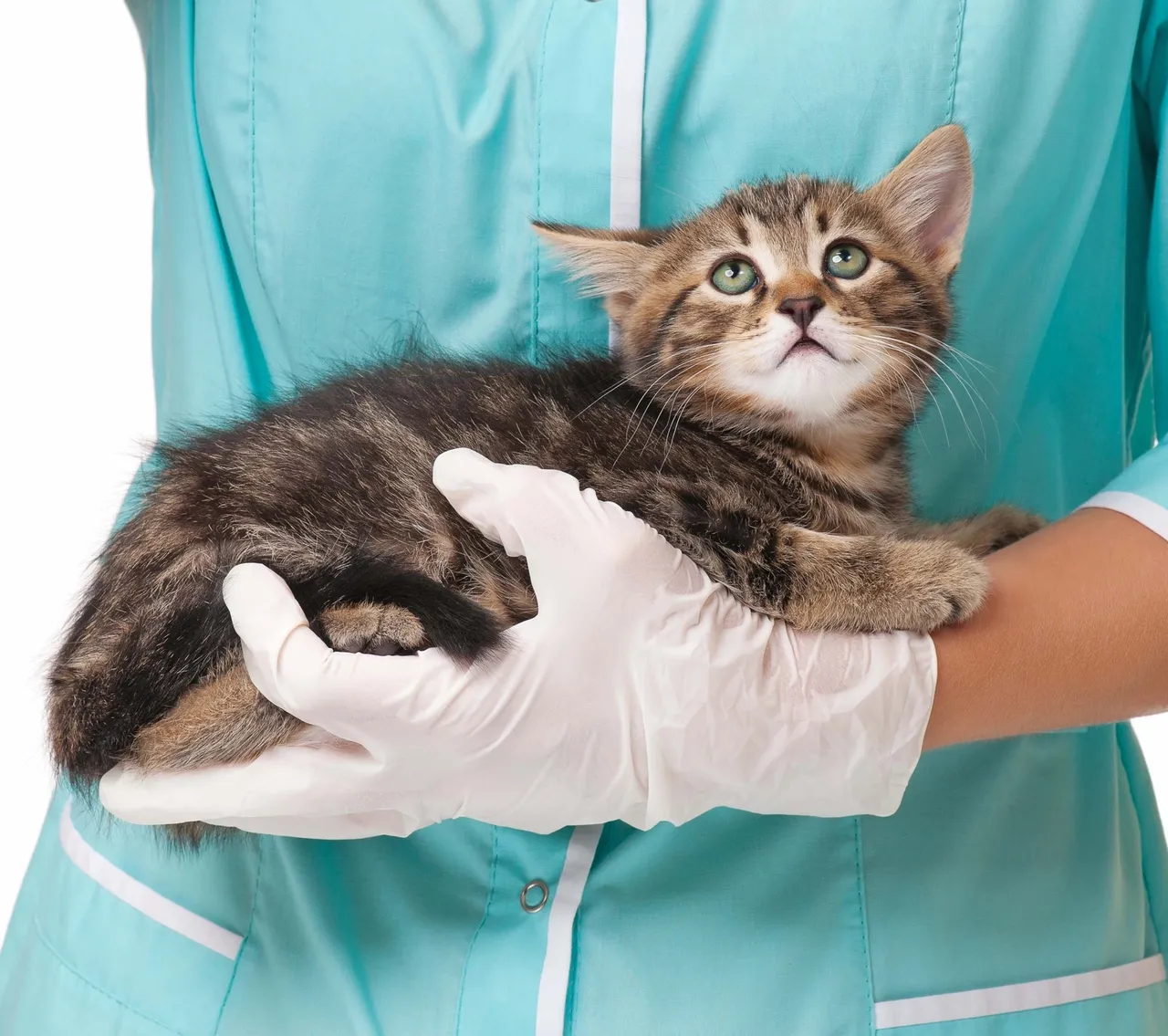
If you find a new lump or notice changes in an existing one, it’s time to visit the vet. Not all lumps are emergencies, but a professional evaluation is crucial for peace of mind and health.
Diagnostic Processes and Treatments
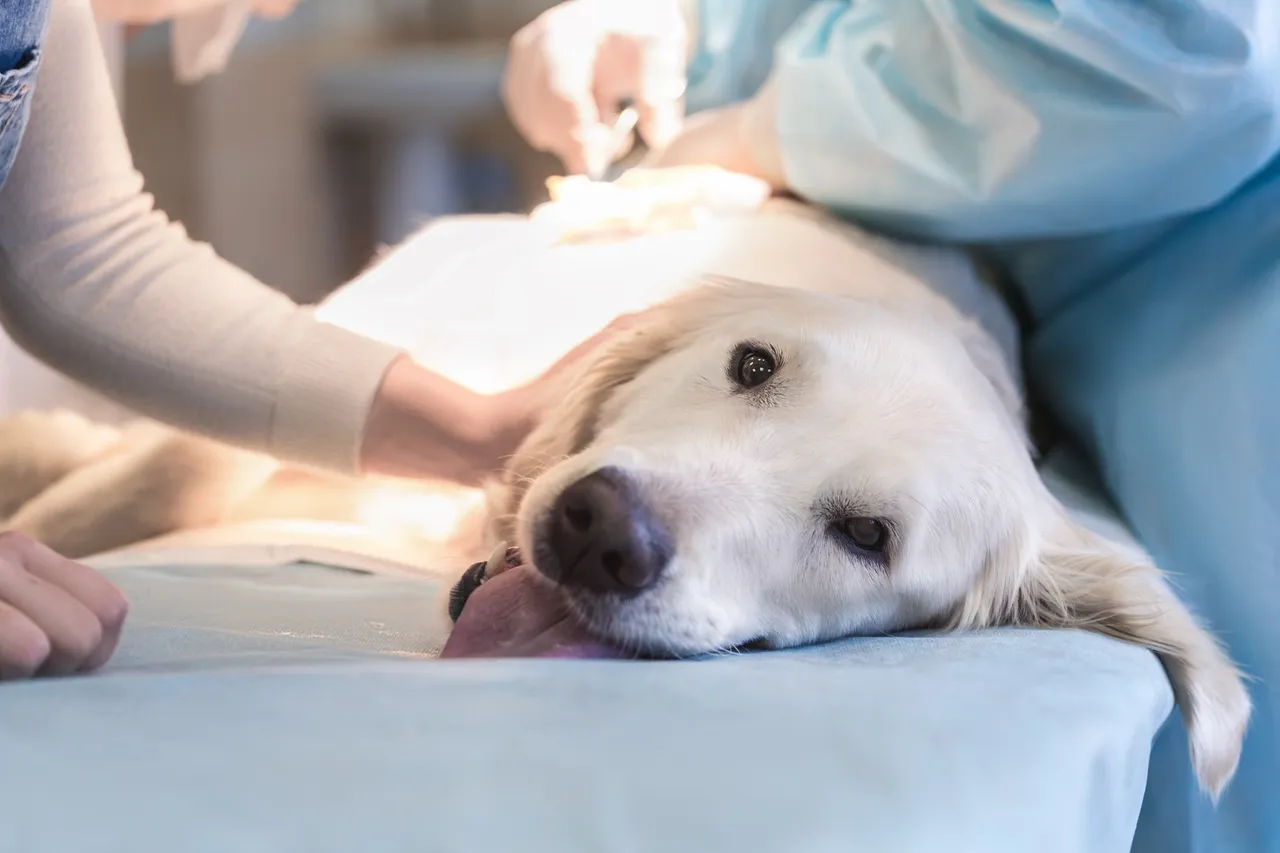
Once you bring your pet to the veterinarian, they will assess the lump and may suggest several diagnostic tests, such as:
•Physical Examination: The vet will examine the size, shape, location, and texture of the lump.
•Biopsy or Needle Aspiration: These procedures involve taking a sample of the lump for further analysis to determine its nature.
Treatment Options
•Monitoring: Some lumps may just need to be watched over time.
•Surgery: Often, the lump may need to be surgically removed, especially if there’s a risk of cancer.
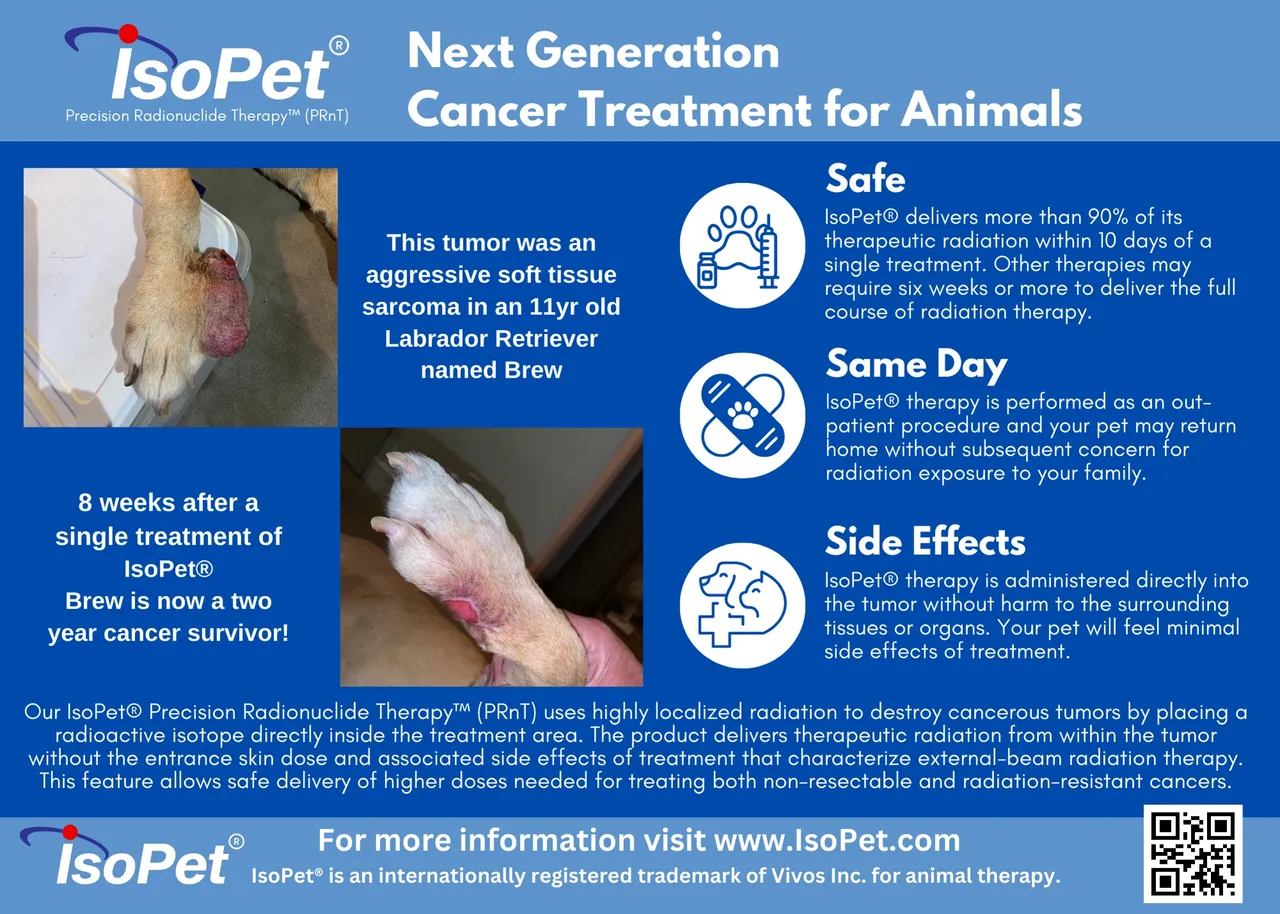
•Other Treatments: Depending on the diagnosis, treatments may include radiation, chemotherapy, medication or innovative, new generation, less invasive treatments such as IsoPet® Precision Radiocnuclide Therapy (PRnT)™
Early detection and appropriate treatment can make a significant difference in outcomes for pets with lumps and bumps. In the next section, we will cover preventive measures and tips for keeping your pet healthy and lump-free.
Conclusion
Early detection of lumps in pets is more than just a precaution; it’s a vital practice that can significantly affect the outcome of many health conditions. By familiarizing yourself with your pet’s normal condition through regular checks and knowing when to seek veterinary advice, you can take a crucial step towards safeguarding their health.
While the discovery of a lump can be alarming, remember that not all lumps are cause for panic. However, early evaluation and, if necessary, treatment, are key to ensuring that your pet remains healthy and happy for as long as possible.
Encourage fellow pet owners to be proactive about their pets’ health. Together, we can create a community that champions the health and happiness of our beloved animals.
By now, you should have a comprehensive understanding of why early detection of lumps on pets is crucial, how to perform regular checks, and the importance of veterinary intervention. Remember, you are your pet’s best advocate for their health and well-being.