

Soft tissue sarcoma is a type of cancer that affects the connective tissues in pets, including muscles, tendons, and fat. This diagnosis can be overwhelming for pet owners, but understanding the condition, its symptoms, treatment options, and potential outcomes can help you make informed decisions about your pet’s care.
What is Soft Tissue Sarcoma?
Soft tissue sarcoma is a term that encompasses a variety of malignant tumors that originate in the connective tissues of the body. These tumors can occur in any part of the body but are most commonly found in the skin and subcutaneous tissues. While these tumors can affect any pet, they are more frequently diagnosed in middle-aged to older dogs and cats.
Types of Soft Tissue Sarcoma in Pets
- Fibrosarcoma: Originates in fibrous tissues.
- Liposarcoma: Arises from fat cells.
- Rhabdomyosarcoma: Develops from skeletal muscle cells.
- Leiomyosarcoma: Begins in smooth muscle tissues.
Each type has unique characteristics and behaviors but are generally grouped due to similar clinical behaviors and treatment approaches.

Recognizing the Symptoms of Soft Tissue Sarcoma in Pets
Soft tissue sarcomas can be challenging to detect early because of their slow-growing nature and ability to form deep within tissues. However, some common signs to watch for include:
- Lumps or Masses: These are the most obvious signs and can be felt under the skin. They are often firm and non-painful.
- Changes in mobility: If the tumor is near a joint or muscle, it may cause limping or difficulty moving.
- Swelling: Noticeable swelling in any part of the body, often without an apparent cause.
- Lethargy and weakness: A general sense of tiredness or lack of energy.
- Loss of Appetite: Changes in eating habits or refusal to eat.
- Weight Loss: Unexplained weight loss despite a normal diet.
If you notice any of these symptoms, it’s crucial to consult a veterinarian for a thorough examination.
Diagnosing Soft Tissue Sarcoma in Pets
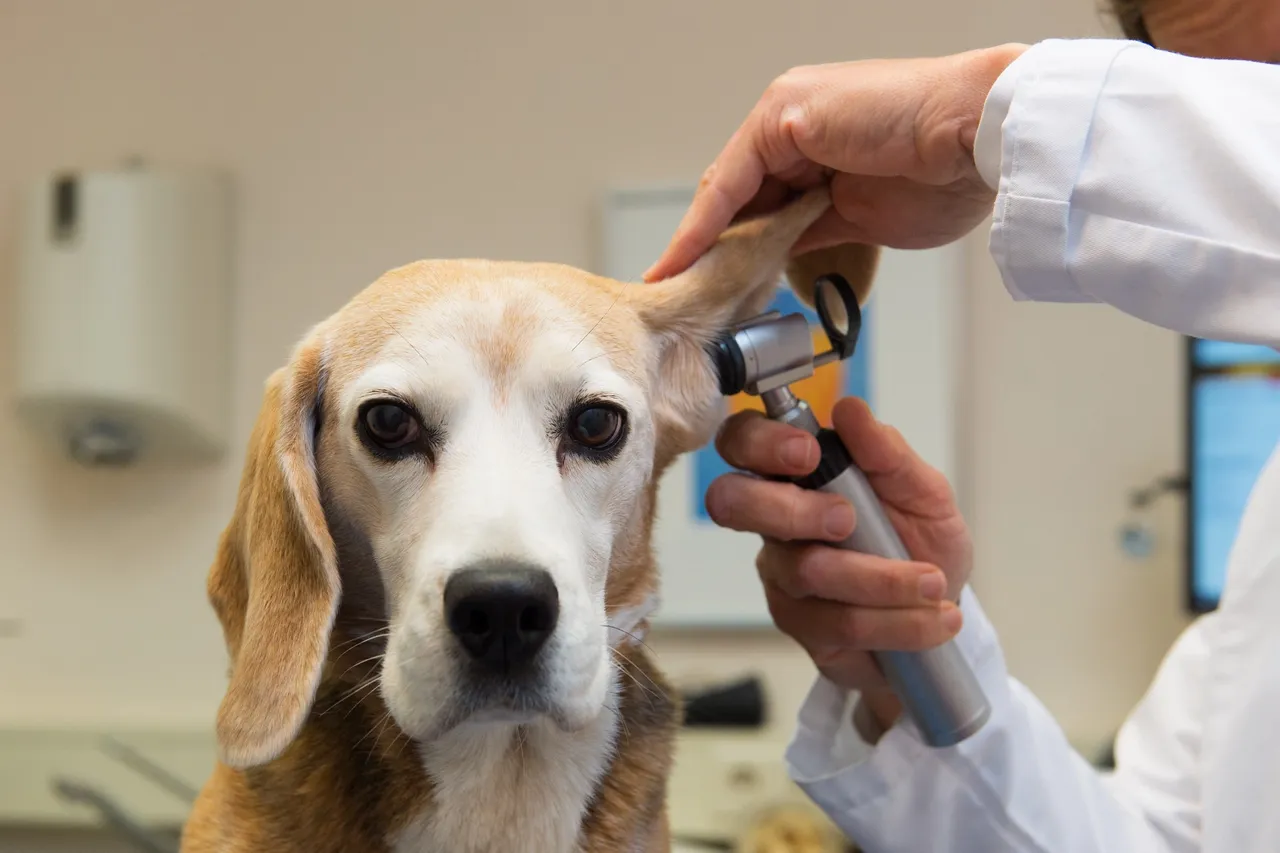
The diagnostic process typically involves several steps:
1. Physical Examination: The vet will assess any lumps or masses for size, location, and characteristics.
2. Imaging: X-rays, ultrasound, or MRI may be used to evaluate the tumor’s size and its relation to surrounding tissues.
3. Biopsy: A tumor tissue sample will be taken and analyzed to confirm the diagnosis and identify the sarcoma type.
4. Blood Tests: These help assess your pet’s overall health and detect any spread of cancer.
Treatment Options for Soft Tissue Sarcoma in Pets
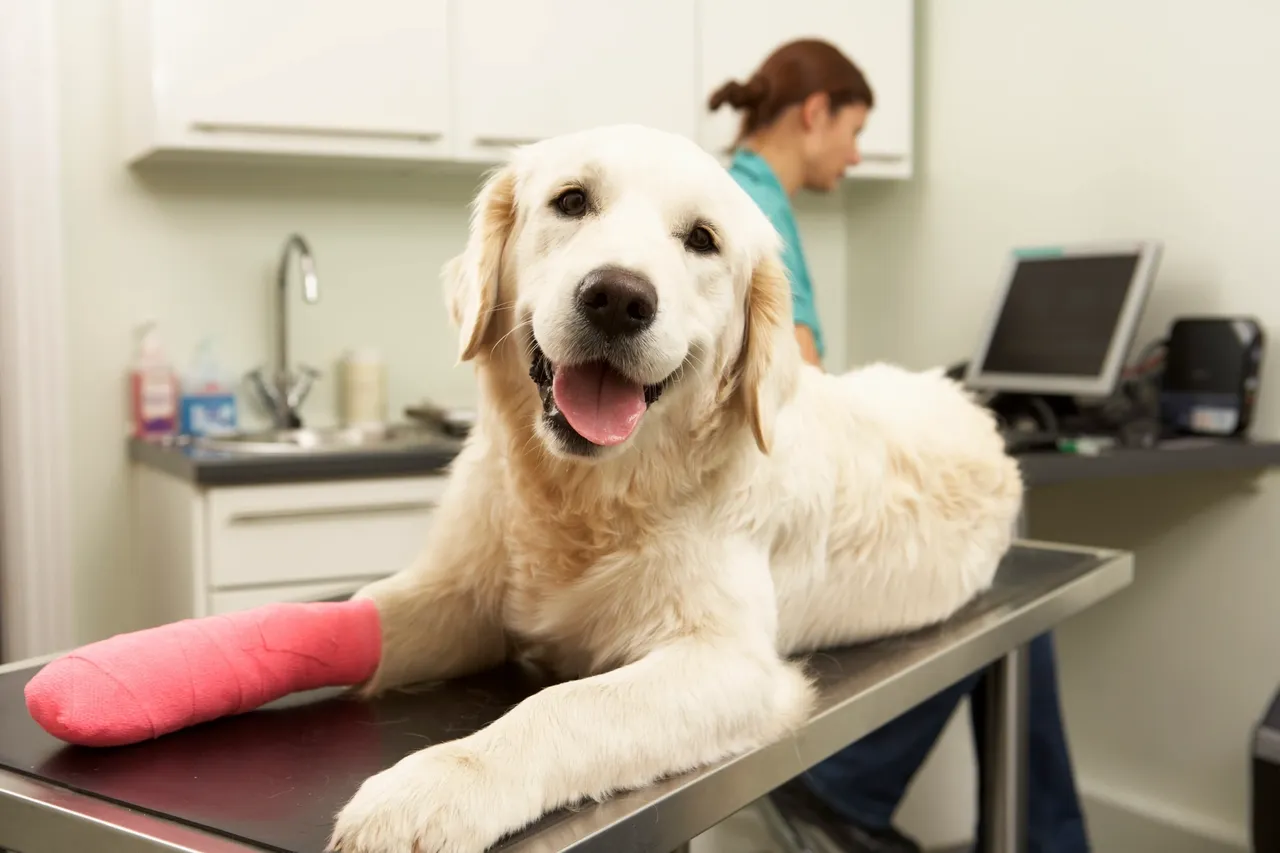
Treatment for soft tissue sarcoma aims to remove or reduce the tumor and manage any associated symptoms. The most effective approach often involves a combination of treatments tailored to your pet’s specific situation.
- Surgical Removal for Soft Tissue Sarcoma in Pets
Surgery is the most common treatment for soft tissue sarcomas. The goal is to remove the tumor entirely, along with a margin of healthy tissue to ensure all cancerous cells are excised. In some cases, amputation may be considered if the tumor is located on a limb and cannot be removed with sufficient margins.
Surgery for soft tissue sarcomas involves significant risks and challenges, particularly when it comes to ensuring complete removal of the cancerous tissue. One of the primary risks is the possibility of not removing all cancer cells, which can lead to local recurrence. This often occurs because soft tissue sarcomas can have irregular shapes and infiltrate surrounding tissues, making distinguishing between healthy and cancerous tissue difficult.
Additionally, surgeons must balance removing all cancerous cells with preserving as much of the surrounding healthy tissue and function as possible, especially when sarcomas are located near vital structures like nerves and blood vessels. Incomplete removal increases the likelihood of the cancer returning, potentially necessitating additional surgeries or adjunct therapies, such as radiation or chemotherapy, to manage the disease. These subsequent treatments can increase the patient’s physical and emotional burden, complicating recovery and impacting overall quality of life. Furthermore, surgical complications such as infection, bleeding, or damage to adjacent organs can exacerbate the patient’s condition, highlighting the importance of skilled surgical technique and careful postoperative management. Regular follow-up appointments and monitoring are crucial to detect any recurrence early.
- Radiation Therapy for Pets with Soft Tissue Sarcoma
Radiation therapy is used when surgical margins are not clear or when surgery is not possible due to the tumor’s location. It involves targeting the tumor with high-energy rays to destroy cancer cells. This treatment is often performed over several sessions.
When pets with cancer are treated with radiation therapy, several risks must be considered. Acute side effects can include skin irritation, hair loss, and discomfort in the treated area, which can impact a pet’s quality of life. Additionally, some animals may experience fatigue or gastrointestinal issues, depending on the treatment site. There is also a risk of late effects, such as damage to nearby healthy tissues or organs, which could lead to long-term complications. While radiation can be an effective treatment option for managing cancer in pets, these potential risks should be carefully weighed against the benefits, and pet owners should work closely with their veterinarian to monitor and manage any adverse effects.
- Targeted Radiation Therapy for Soft Tissue Sarcoma in Pets
Radiation and Targeted Radiation are very different treatment options. Targeted Radiation such as IsoPet®’s Precision Radionuclide Therapy™ (PRnT™) is a newer, more innovative and less invasive approach to treating soft tissue sarcoma in animals.
Precision Radionuclide Therapy™ offers significant benefits for treating soft tissue sarcoma in pets. This localized form of radiation therapy delivers high doses of radiation directly to the tumor site while minimizing exposure to surrounding healthy tissues. As a result, it effectively reduces the tumor size or eliminates it with fewer, if any side effects compared to traditional radiation therapies.
Also called PRnT™, this targeted approach allows for precise injection of a Y-90 radioactive isotope directly into the tumor, effectively killing the tumor from the inside out, which can be particularly advantageous in managing complex tumor shapes or locations. Additionally, it often requires only one treatment, reducing stress and discomfort for pets and their owners. Overall, Precision Radionuclide Therapy™ provides an advanced, effective treatment option, enhancing the quality of life and outcomes for pets with soft tissue sarcoma.
- Chemotherapy for Soft Tissue Sarcoma in Pets
Chemotherapy may be recommended in cases where the tumor is aggressive, has spread, or cannot be completely removed through surgery. Chemotherapy drugs can help shrink tumors and slow their growth, although they are not typically curative for sarcomas.
Chemotherapy for pets, while often effective in treating cancer, carries several risks that pet owners should consider. Common side effects include gastrointestinal issues such as nausea, vomiting, and diarrhea, which can affect the pet’s appetite and hydration levels. Additionally, chemotherapy can suppress the immune system, making pets more susceptible to infections. Hair loss is less common in pets than in humans but can occur, particularly in breeds with continuously growing hair. Some pets may experience fatigue or lethargy. It’s important for pet owners to work closely with a veterinary oncologist to monitor these side effects and adjust treatment as needed to ensure their pet’s comfort and safety.
- Immunotherapy for Soft Tissue Sarcoma in Pets
Emerging treatments like immunotherapy, which harnesses the body’s immune system to fight cancer, are being explored for soft tissue sarcomas. While still in the experimental stages, they offer promising new avenues for treatment.
Immunotherapy works by stimulating or enhancing the pet’s immune system to recognize and attack cancer cells more effectively. It can be delivered in several forms, including cancer vaccines that prime the immune system against tumor antigens, monoclonal antibodies that bind to specific proteins on cancer cells to mark them for destruction, and immune checkpoint inhibitors that remove the brakes on immune cells, allowing them to mount a stronger attack. These treatments can be administered through injections, infusions, or oral medications, depending on the specific type of immunotherapy and the cancer being treated. This targeted approach helps improve treatment efficacy while minimizing harm to healthy cells.

Life Expectancy and Prognosis for Soft Tissue Sarcoma in Pets
The prognosis for pets diagnosed with soft tissue sarcoma varies depending on several factors, including:
- Tumor Size and Location: Smaller tumors and those located in areas that allow complete surgical removal or targeted radiation therapy such as IsoPet®’s Precision Radionuclide Therapy™ have a better prognosis.
- Tumor Grade: Low-grade tumors are less aggressive and have a lower chance of metastasis (spreading) compared to high-grade tumors.
- Completeness of Surgical Margins: Achieving clean surgical margins improves the likelihood of long-term control of the disease but can be difficult to achieve.

Supporting Your Pet Through Cancer Treatment
Managing a pet with cancer involves more than medical treatment. Providing emotional support, maintaining a balanced diet, and ensuring a comfortable living environment are essential components of care.
- Diet and Nutrition: Work with your vet to ensure your pet receives a diet that supports their health and treatment regimen. Nutrient-rich foods can help boost energy levels and support recovery.
- Pain Management: Ensure your pet is comfortable by managing pain through medications or therapies as recommended by your veterinarian.
- Quality of Life: Keep your pet active and engaged with gentle play, walks, or mental stimulation to maintain their quality of life.
Conclusion
A soft tissue sarcoma diagnosis can be daunting, but with a clear understanding of the condition and a proactive approach to treatment, many pets can continue to lead happy and fulfilling lives. Early detection and collaboration with a knowledgeable veterinary team are key to navigating this journey effectively.
Staying informed and collaborating with a trusted veterinarian familiar with the latest cancer treatment options will help you develop a treatment plan tailored to your pet’s needs, ensuring they receive the best possible quality of life. Always consult your veterinarian for personalized advice and support throughout your pet’s treatment process.
The latest study on IsoPet involved six canine cases treated with 90Y-IsoPet® for soft tissue sarcoma at the Veterinary Health Center, University of Missouri are analyzed in this retrospective study. The dogs received intratumoral IsoPet® injections, following a grid pattern to achieve a near-uniform dose distribution in the clinical target volume. To read the full study please click this link to be redirected and download the pdf to the latest research paper on Monte Carlo dosimetric analyses on the use of90Y-IsoPet intratumoral therapy in canine subjects