

Pet cancer is a topic that can be frightening for any pet owner, but awareness is key to ensuring the best possible outcome for your furry, feathered, or scaled companion.
Cancer in pets is unfortunately more common than many realize, and it affects a wide variety of species, from cats and dogs to exotic animals and birds. Early detection, regular veterinary check-ups, and maintaining a strong relationship with your veterinarian are critical steps in managing and treating pet cancer.
This blog will explore the symptoms of cancer in different types of pets and emphasize the importance of proactive veterinary care.

Symptoms of Cancer in Dogs
Dogs, like cats, are prone to various types of cancers, including lymphoma, mast cell tumors, and osteosarcoma. Dogs are often more expressive of their discomfort than cats, but many symptoms can still go unnoticed if pet owners aren’t vigilant.
- Persistent Sores: Non-healing sores or wounds can be an early sign of cancer.
- Lumps and Bumps: Not all lumps are cancerous, but any new growth should be examined, especially if it’s rapidly growing, firm, and doesn’t move freely under the skin.
- Unusual Odors: Foul odors from the mouth, ears, or any other body part could be indicative of cancer.
- Changes in Appetite or Weight: A sudden increase or decrease in appetite, or unexplained weight changes, should raise concerns.
- Lethargy and Depression: If your dog seems less enthusiastic about activities they once enjoyed, it might be due to underlying illness.
Dogs often have a more optimistic prognosis when cancer is caught early. Regular vet visits and monitoring your dog’s health can help catch cancer in its initial stages, where it is often more treatable.

Symptoms of Cancer in Cats
Cancer in cats is often challenging to detect early because cats are adept at hiding their discomfort. However, certain symptoms can indicate that something is wrong. Common cancers in cats include lymphoma, squamous cell carcinoma, and mammary gland tumors.
Signs of Cancer in Cats:
- Weight Loss: Unexplained weight loss, even with a normal appetite, can be a red flag.
- Lumps or Bumps: Any new growths, especially those that are rapidly growing or changing, should be evaluated by a vet.
- Changes in Behavior: Increased hiding, aggression, or lethargy can be signs that your cat is in pain or discomfort.
- Difficulty Breathing: Respiratory issues may indicate cancer in the chest area.
- Oral Issues: Difficulty eating, drooling, or foul breath can be signs of oral cancer.
Cats, due to their independent nature, often suffer in silence, making regular veterinary check-ups essential. Early detection can significantly improve the chances of successful treatment.

Symptoms of Cancer in Horses
Horses, though large and robust, are not immune to cancer. Common cancers in horses include sarcoids, squamous cell carcinoma, and melanoma. Horses often show symptoms in ways that are easy to overlook, particularly if the cancer is internal.
- Lumps Under the Skin: Any unusual growths, especially in common areas like the eyes, mouth, or under the tail, should be examined.
- Chronic Swelling: Persistent swelling that doesn’t resolve could be a sign of deeper issues.
- Unexplained Lameness: If your horse is limping without an obvious injury, it could be due to a tumor.
- Weight Loss and Poor Coat Condition: These can be general signs of ill health, including cancer.
Equine veterinarians are essential partners in maintaining your horse’s health. Given their size, any treatment for cancer in horses requires early detection and prompt action to be effective.

Symptoms of Cancer in Exotic Pets
Exotic pets, such as reptiles, amphibians, and ferrets, can also develop cancer, though it can be much harder to detect in these animals due to their unique physiology and behavior.
- Lethargy: A noticeable decrease in activity levels can be a sign of illness, including cancer.
- Abnormal Growths: Visible lumps or bumps on the body should be checked by a vet familiar with exotic species.
- Respiratory Issues: Difficulty breathing or abnormal respiratory sounds can indicate internal tumors.
- Changes in Eating Habits: A loss of appetite or difficulty eating might signal an underlying health issue.
The challenges in diagnosing cancer in exotic pets stem from their tendency to hide symptoms and the limited experience of some vets with these species. It’s crucial to consult a veterinarian who specializes in exotic pets if you notice any unusual symptoms.

Symptoms of Cancer in Avian Pets
Birds can suffer from various forms of cancer, including beak and feather disease-related cancers and internal tumors. Avian cancers often go unnoticed until they are quite advanced, making early detection vital.
- Feather Plucking: While this behavior can have multiple causes, it can also indicate discomfort due to cancer.
- Changes in Droppings: Any alterations in the color, consistency, or frequency of droppings may signal a health issue.
- Beak and Feather Abnormalities: Abnormal growths or discoloration on the beak or feathers should prompt a vet visit.
- Lethargy: A sudden drop in energy or interest in normal activities can be a symptom of illness.
Avian veterinarians play a crucial role in the health of birds, as early detection and specialized care are key to managing cancer in these delicate creatures.

Symptoms of Cancer in Pocket Pets
Pocket pets, such as guinea pigs, hamsters, and rabbits, are often overlooked when it comes to cancer awareness. However, these small mammals can develop tumors and other cancers just like larger pets.
- Lumps: Any lumps, no matter how small, should be investigated by a vet.
- Weight Loss: Unexplained weight loss is often a sign of a serious underlying issue.
- Changes in Grooming Behavior: A pet that stops grooming or has matted fur might be in distress.
- Difficulty Eating: A reduced appetite or difficulty chewing can indicate oral or gastrointestinal cancers.
Because these animals are so small, cancer can progress quickly, making it even more important to schedule regular check-ups and address any symptoms as soon as they arise.
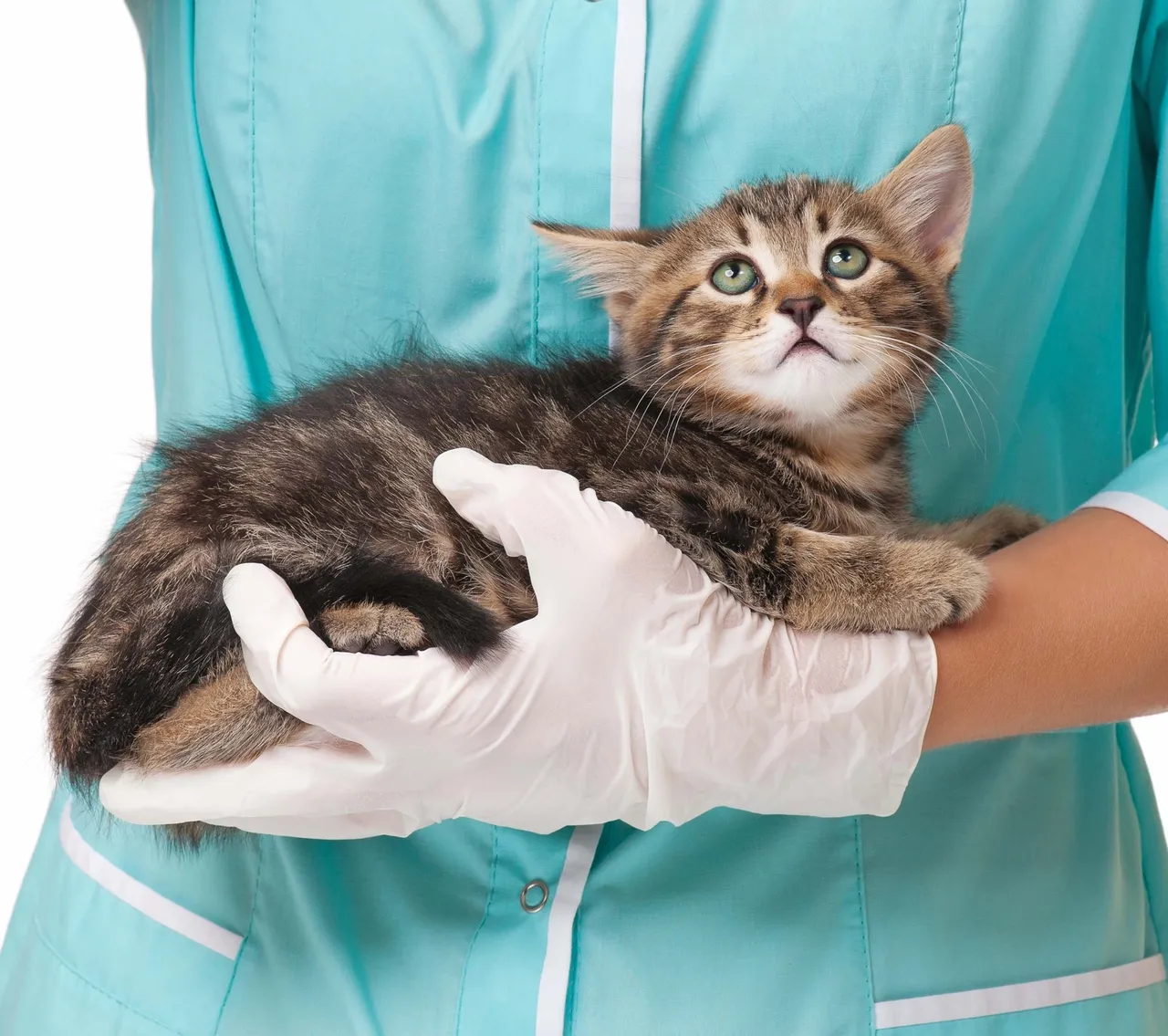
The Importance of Regular Vet Check-Ups, Early Detection, and a Good Relationship with Your Veterinarian
No matter the type of pet, regular veterinary check-ups are critical. Early detection of cancer significantly improves the chances of successful treatment, and many cancers, if caught early, can be managed or even cured. A strong relationship with your veterinarian ensures that you can work together to monitor your pet’s health, catch any potential issues early, and make informed decisions about treatment options.
Your veterinarian can also provide guidance on what specific signs to look out for in your pet, given their age, breed, and species. Regular blood tests, physical exams, and even imaging tests like X-rays or ultrasounds can be invaluable in catching cancer before it progresses.

In conclusion, while the thought of cancer in pets is daunting, being vigilant and proactive about your pet’s health can make all the difference. Regular check-ups, early detection, and a good relationship with your vet are the cornerstones of keeping your pet healthy and happy, no matter their species.