
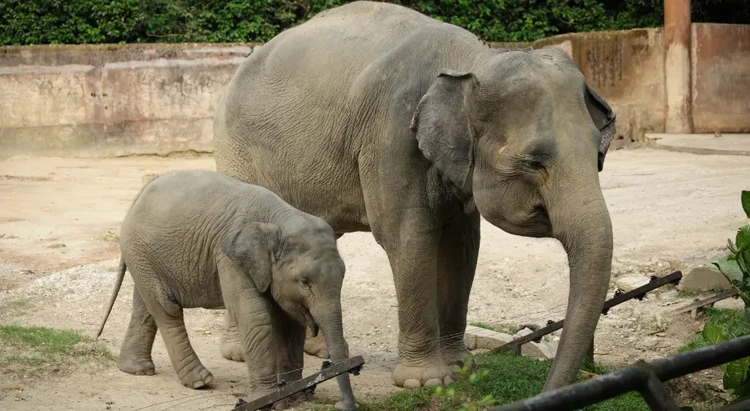
Cancer is a disease that affects not only humans but also animals, including those in the wild and in captivity. Exotic and zoo animals are no exception to this, facing similar challenges as domestic animals and humans when it comes to cancer diagnosis and treatment.
IsoPet® has been treating cancer in small and large animals in our certified IsoPet® regional clinics since 2018 and is expanding our scope to treat exotic and zoo animals in 2024. We have explored the occurrence of cancer in exotic and zoo animals and the unique challenges they present. IsoPet® has the technology with our Precision Radionuclide Therapy™ to treat these special animals with a safer, more effective and less invasive cancer treatment.
What is IsoPet® Precision Radionuclide Therapy™?
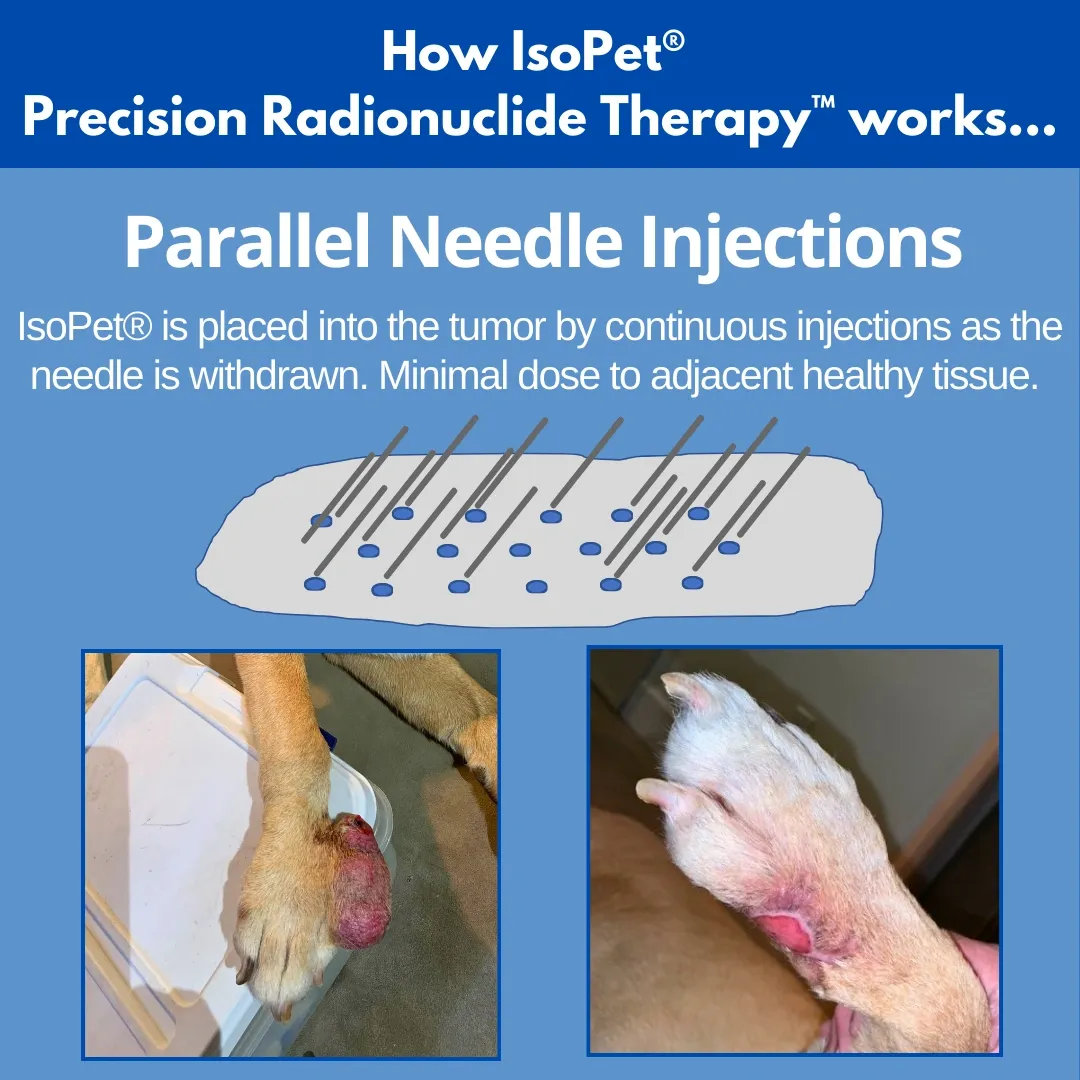
IsoPet®’s Precision Radionuclide Therapy™ (PRnT) is an innovative cancer treatment using targeted radiation called Yttrium-90 (Y-90) – a polymer composite administered directly into cancerous tissues to deliver highly localized beta radiation. IsoPet® delivers therapeutic radiation from within the tumor without the associated side effects of mainstream cancer treatments such as external-beam radiation therapy.
Killing tumors from the inside out allows for safer delivery of the higher doses needed for treating both non-resectable and radiation resistant cancers.
IsoPet® Precision Radionuclide Therapy™ is safe and delivers more than 90% of its therapeutic radiation within 10 days of a single treatment.
IsoPet® Precision Radionuclide Therapy™ is a single treatment, performed as an out-patient procedure without subsequent concern for radiation exposure.
IsoPet® Precision Radionuclide Therapy™ is administered directly into the tumor without harm to the surrounding tissues or organs. Animals feel minimal, if any side effects of treatment.
How often do Exotic and Zoo Animals Get Cancer?
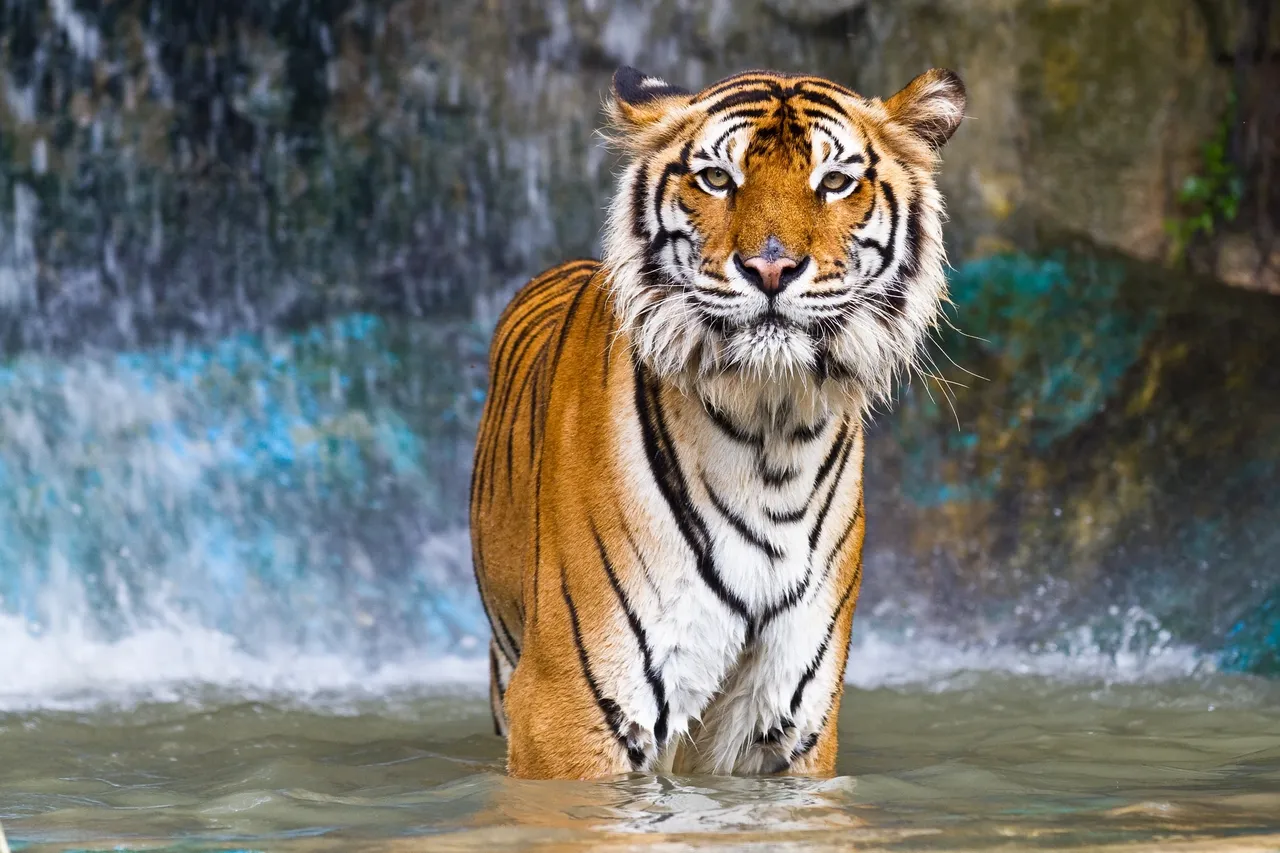
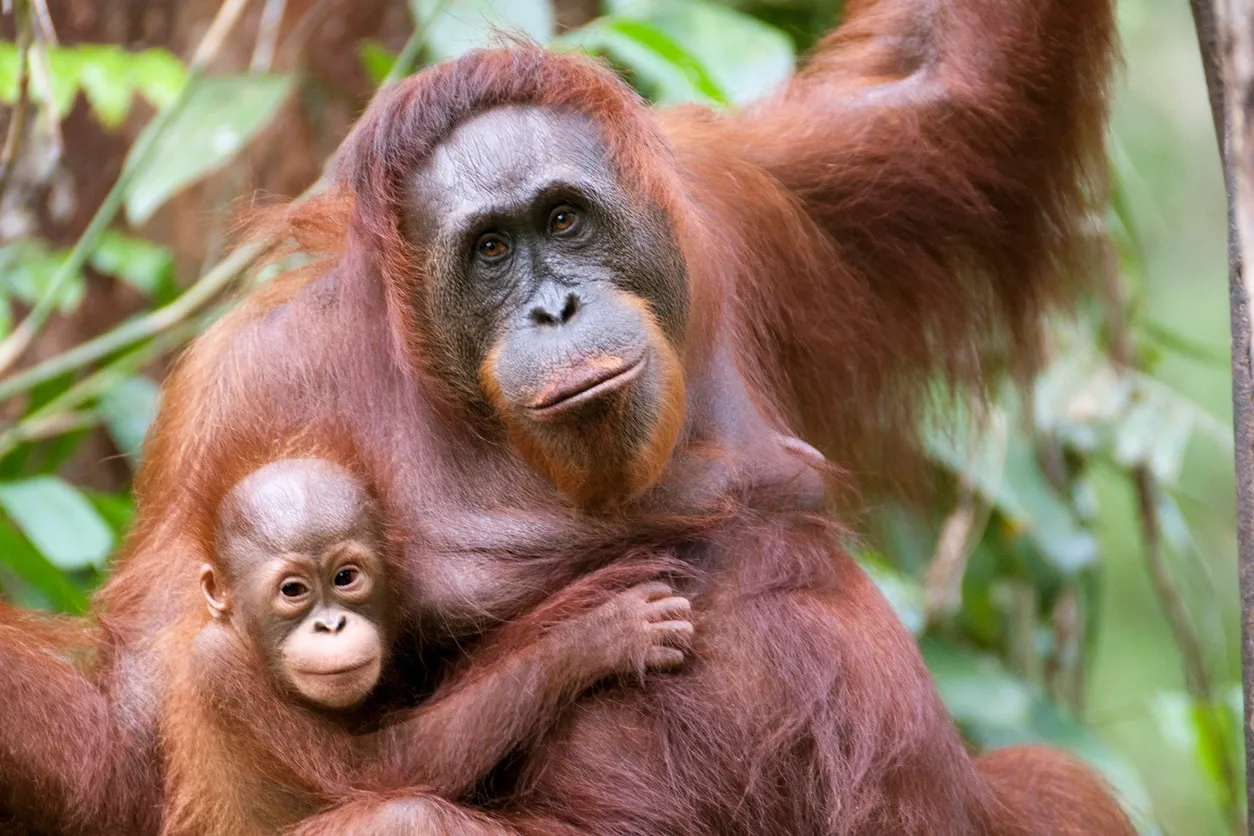
Cancer in animals, much like in humans, involves the uncontrolled growth of abnormal cells in the body. It can affect various tissues and organs, leading to a range of health issues. Exotic and zoo animals are particularly vulnerable due to their unique biology and the stressors associated with captivity. From large mammals like elephants and big cats to smaller reptiles such as iguanas, birds such as macaws, cancer does not discriminate, impacting a wide array of species.

The interest in cancer in zoo animals has been researched for close to one hundred years ago with one of the earliest studies dating back to 1933. The Ratcliffe Studies with pathologist Herbert Ratcliff was published in 1933 and investigated the occurrence of cancer at the Philadelphia Zoo. A more recent study putting zoo cancer into perspective was published Sept 2023 with mentions of animals kept in zoos having higher occurrences of cancer due to animals living longer in zoos over their natural habitats.

As a typical disease of old age, cancer prevalence should be expected to increase as zoos maintain their animals to older ages. Given that many zoo animals become older than their free-ranging conspecifics (Lynch et al., 2010; Tidière et al., 2016), one would also expect cancer to be more prevalent in zoo populations.1. As this blog is meant for more general information on cancer in exotic animals over research studies let’s dive into the world of cancer in exotic animals.
The Types of Cancer in Exotic Animals
The prevalence of cancer in exotic and zoo animals varies by species and individual health conditions. This is an area of ongoing research with some of the common types of cancer observed in these animals include:
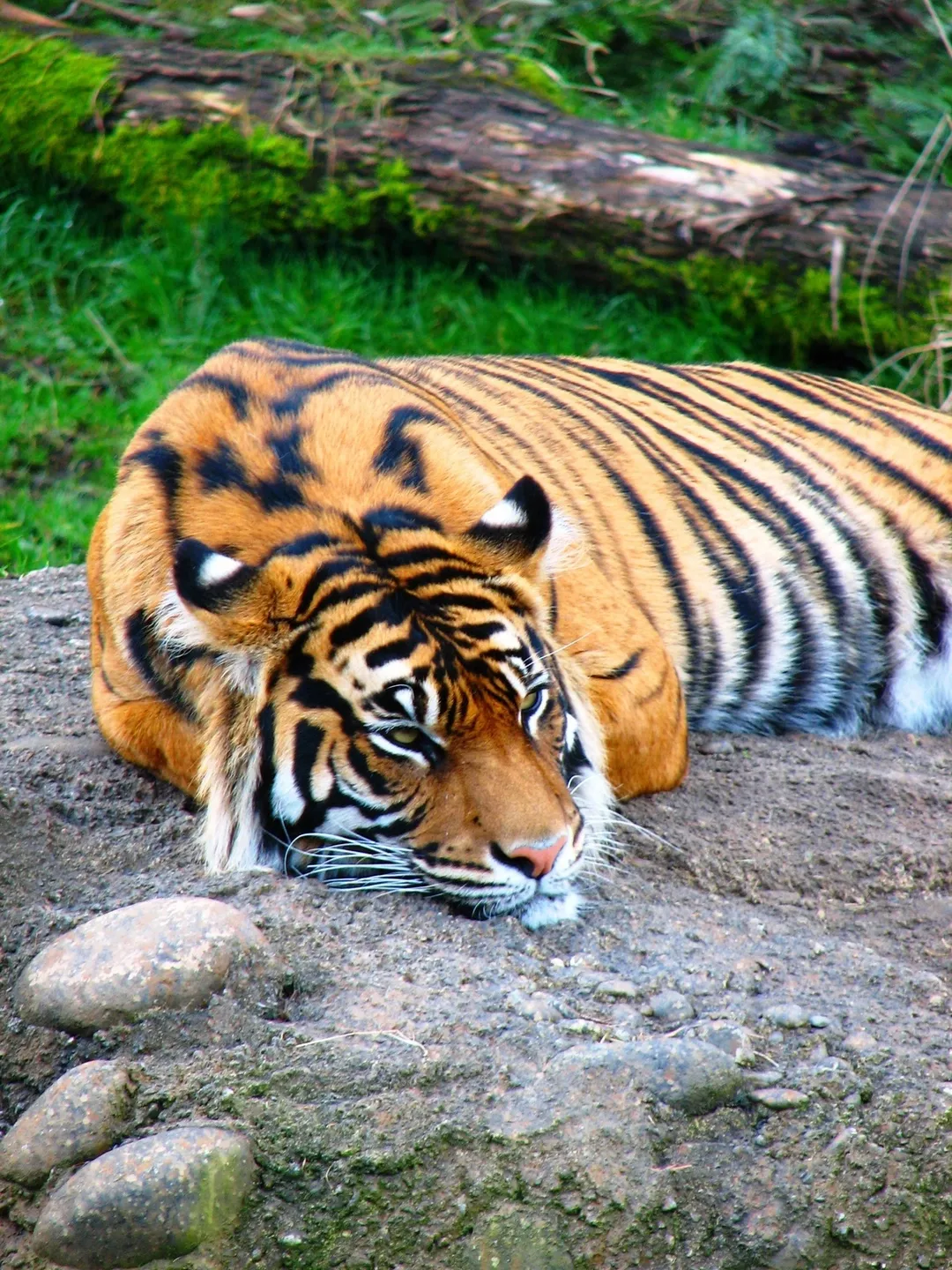
Mammary tumors: Common in felines, including big cats like lions and tigers.
Skin cancer: Frequently seen in reptiles due to prolonged exposure to ultraviolet (UV) light.
Lymphoma: Affects a variety of species, including birds and mammals.
Oral and nasal tumors: Often found in large mammals such as elephants and rhinos.
Diagnosing Cancer in Exotic and Zoo Animals
As can be expected, diagnosing cancer in exotic and zoo animals poses several challenges. Unlike domestic pets, these animals often exhibit subtle symptoms that are hard to detect. Additionally, the handling and examination of large or dangerous animals require specialized equipment and trained personnel. As more households have exotic pets such as macaws, iguanas, even hedgehogs just to name a few, it is important to pay attention to the signs that may be associated with cancer

Some Signs Your Exotic Animal May Have Cancer
Behavioral changes: Exotic animals may not show obvious signs of illness, making early detection difficult. In a zoo setting, handlers may or may not know their animals well enough and will not notice behavioral changes that often lead to examination of the animal.
In a home setting it is important to take your exotic pet to a vet clinic that specializes in exotic animals for a thorough check up as the unique anatomy of different species necessitates specialized diagnostic tools and techniques.
Stress factors: Captivity-related stress can mask or exacerbate symptoms, complicating diagnosis. This is more common in a zoo setting but being aware of any stress related symptoms with an exotic pet in a home setting may be helpful in identifying any illnesses early.

Diagnosing Cancer in Exotic Animals
Veterinarians use a combination of traditional and advanced diagnostic techniques to identify cancer in exotic and zoo animals:
Physical examinations: Regular health check-ups to observe any physical changes or abnormalities.
Imaging techniques: X-rays, ultrasounds, CT scans, and MRIs adapted for various species to detect internal tumors.
Biopsies: Collecting tissue samples for microscopic examination to confirm the presence of cancer cells.
Blood tests: Analyzing blood samples for markers that may indicate cancer.
As with cancer in humans, early detection of cancer is the key to a favorable outcome.
What Are The Treatment Options for Exotic and Zoo Animal?
Treating cancer in exotic and zoo animals involves several approaches, each tailored to the specific needs of the species and the type of cancer. The primary treatment options include:
Surgery: with the purpose to remove tumors and affected tissues. The challenge is performing surgery on large or dangerous animals requires extensive preparation, anesthesia, and post-operative care.
Chemotherapy: with the purpose to kill cancer cells using chemical agents. The challenge is prescribing the correct dosage and drug selection which must be carefully adjusted for different species to avoid toxicity.
Radiation Therapy: with the purpose to destroy cancer cells using high-energy radiation. In addition to the negative side effects implementing radiation therapy often involves multiple sessions and ensuring the animal remains still during the procedure, often necessitating sedation.
Targeted Therapy: the purpose is to specifically target cancer cells in a tumor without harming normal cells and surrounding tissue. The challenge is the limited availability and research specific to exotic species. IsoPet’s Precision Radionuclide Therapy has been proven to effectively kill cancer tumors in small and large animals and in 2024 is branching out to exotic and zoo animals.
Immunotherapy: the purpose is to boost the animal’s immune system to fight cancer more effectively. The challenge is immunotherapy is still an emerging field in veterinary medicine, with ongoing research needed for broader applications.

The Role of Cancer Research For Exotic and Zoo Animals
Ongoing research and collaboration among veterinarians, oncologists, and wildlife experts are crucial for advancing the treatment of cancer in exotic and zoo animals. Understanding the genetic factors that predispose certain species to cancer can lead to targeted prevention and treatment strategies. Integrating safer cancer treatments such as IsoPet® Precision Radionuclide Therapy™ with broader conservation initiatives ensures the well-being of endangered species.
Cancer in exotic and zoo animals presents unique challenges, but advancements in veterinary medicine and collaborative research are paving the way for more effective treatments. By continuing to refine diagnostic techniques and develop specialized therapies, the veterinary community can improve the quality of life for these animals and contribute to their conservation. As we deepen our understanding of cancer in exotic species, we not only enhance their care but also gain valuable insights that can benefit all animals, including humans.
While cancer in exotic and zoo animals remains a complex and evolving field, ongoing efforts and innovations hold promise for better management and treatment, ensuring that these magnificent creatures continue to thrive in their natural habitats and in captivity.
- Clauss, M., & Müller, D. W. H. (2024). Putting zoo animal cancer into perspective. Zoo Biology, 43, 15–21. https://doi.org/10.1002/zoo.21802